Ingrown Hairs: Why They Happen and How to Prevent and Treat Them
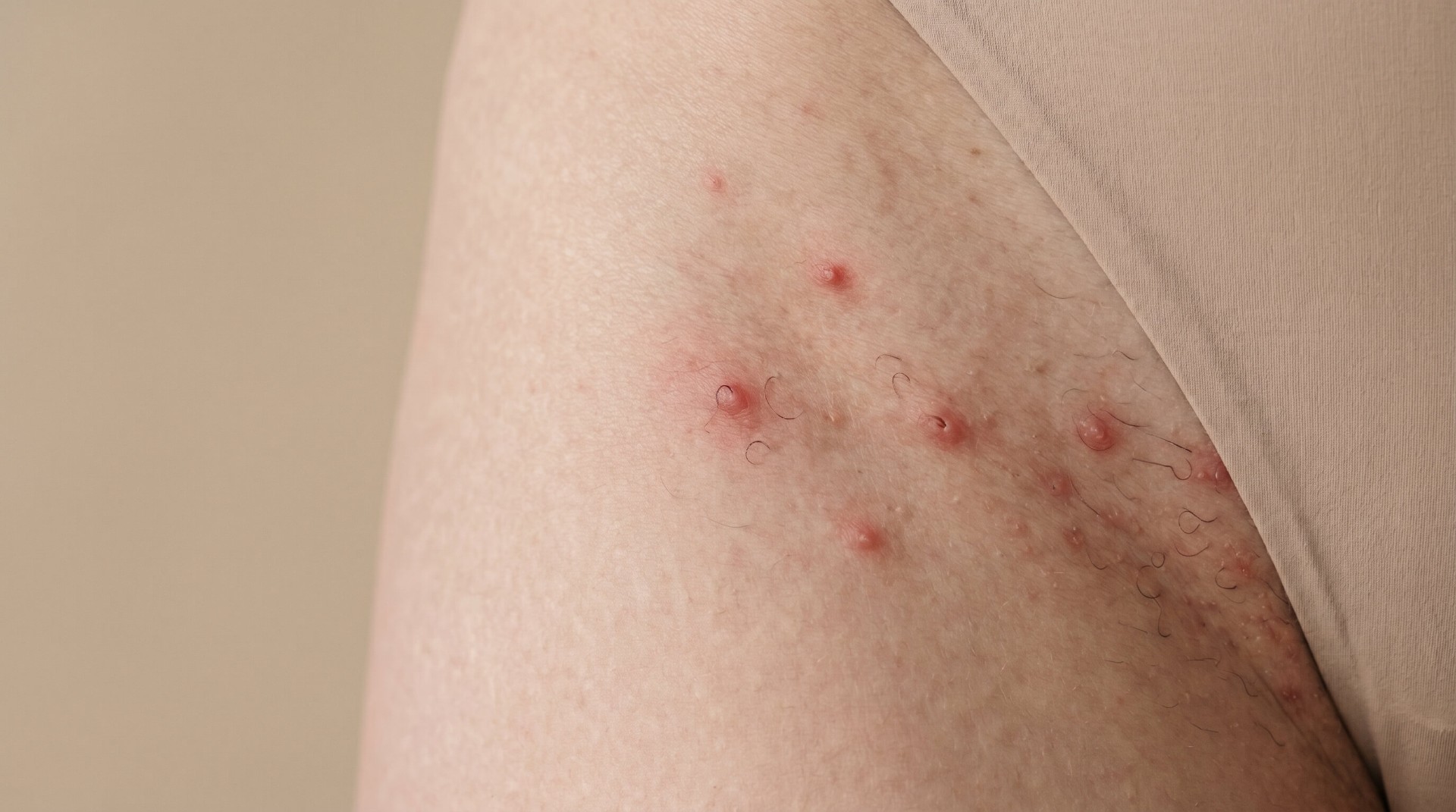
Painful red bumps where you shaved or waxed are usually ingrown hairs — and the way you've been treating them is probably making them worse. Here's the actual playbook.

Painful red bumps where you shaved or waxed are usually ingrown hairs — and the way you've been treating them is probably making them worse. Here's the actual playbook.
These two terms are used interchangeably, but they sit at very different points on the potency spectrum. Here's why the distinction matters for your skin.
Face yoga promises a natural alternative to Botox and fillers. But can facial exercises actually combat aging, or do they just give you new wrinkles? Here's what the evidence says.
Deep dives into the active ingredients that actually make a difference in your skincare routine. We break down the science, debunk the marketing hype, and tell you what really works.
BrowseHonest, evidence-based guides to professional and at-home treatments. From chemical peels to injectables, we cover what to expect, what works, and what to skip.
BrowseTargeted guidance for specific skin issues including acne, hyperpigmentation, barrier damage, rosacea, and more. Real solutions backed by dermatological research.
BrowseExpert guidance on LED and light-based skincare, from acne-fighting blue light to collagen-supporting red and near-infrared therapy.
BrowseFoundational guidance on building effective routines, choosing products for your skin type, and understanding the essentials of daily skin care.
Browse
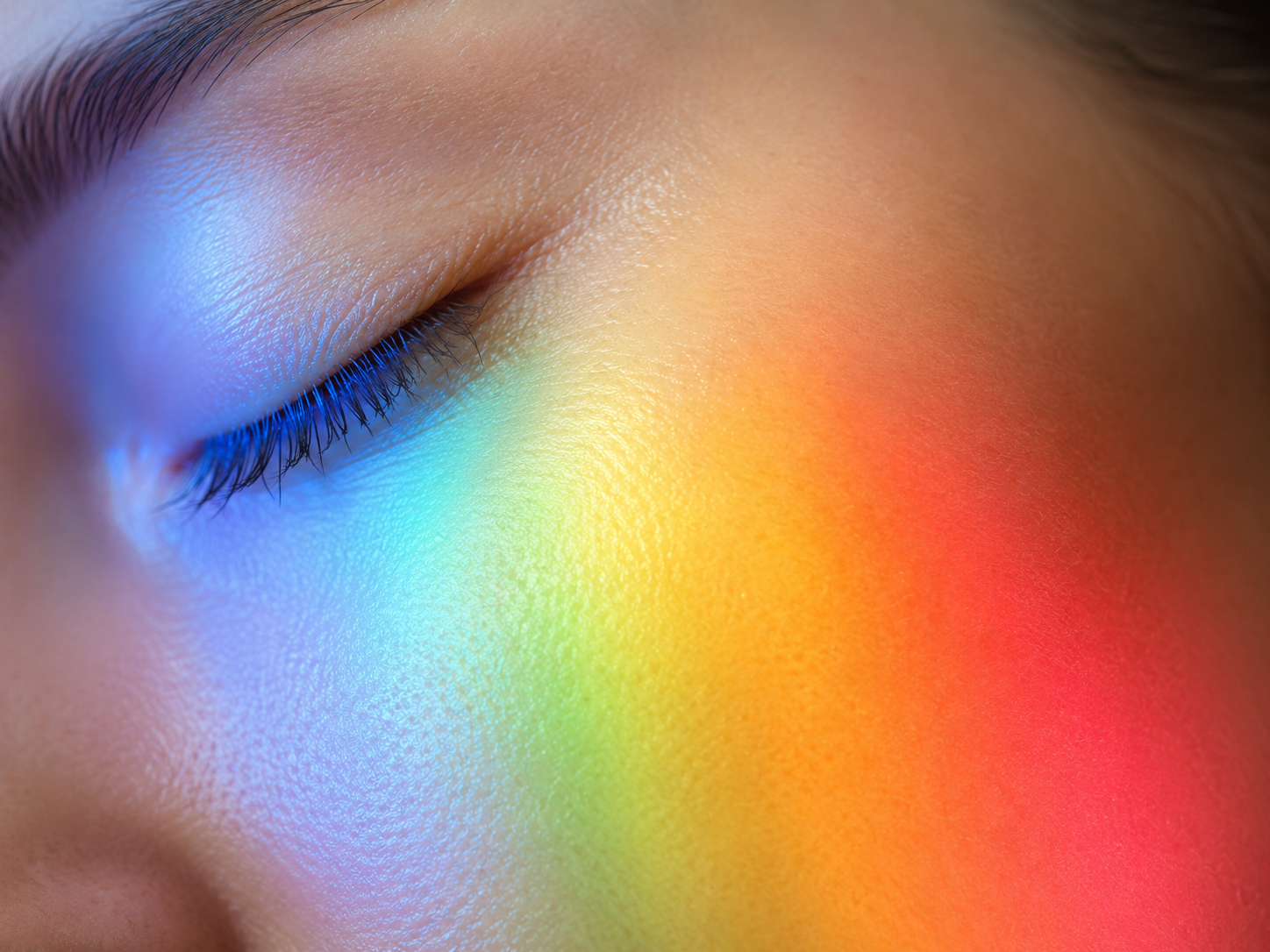
LED masks arrive with anywhere from one setting to eight, labelled by color rather than by anything that explains what the colors are for. Red, blue, green, yellow, and several others all appear in consumer devices, and the marketing rarely distinguishes between the ones with substantial research behind them and the ones added to lengthen a specification list.

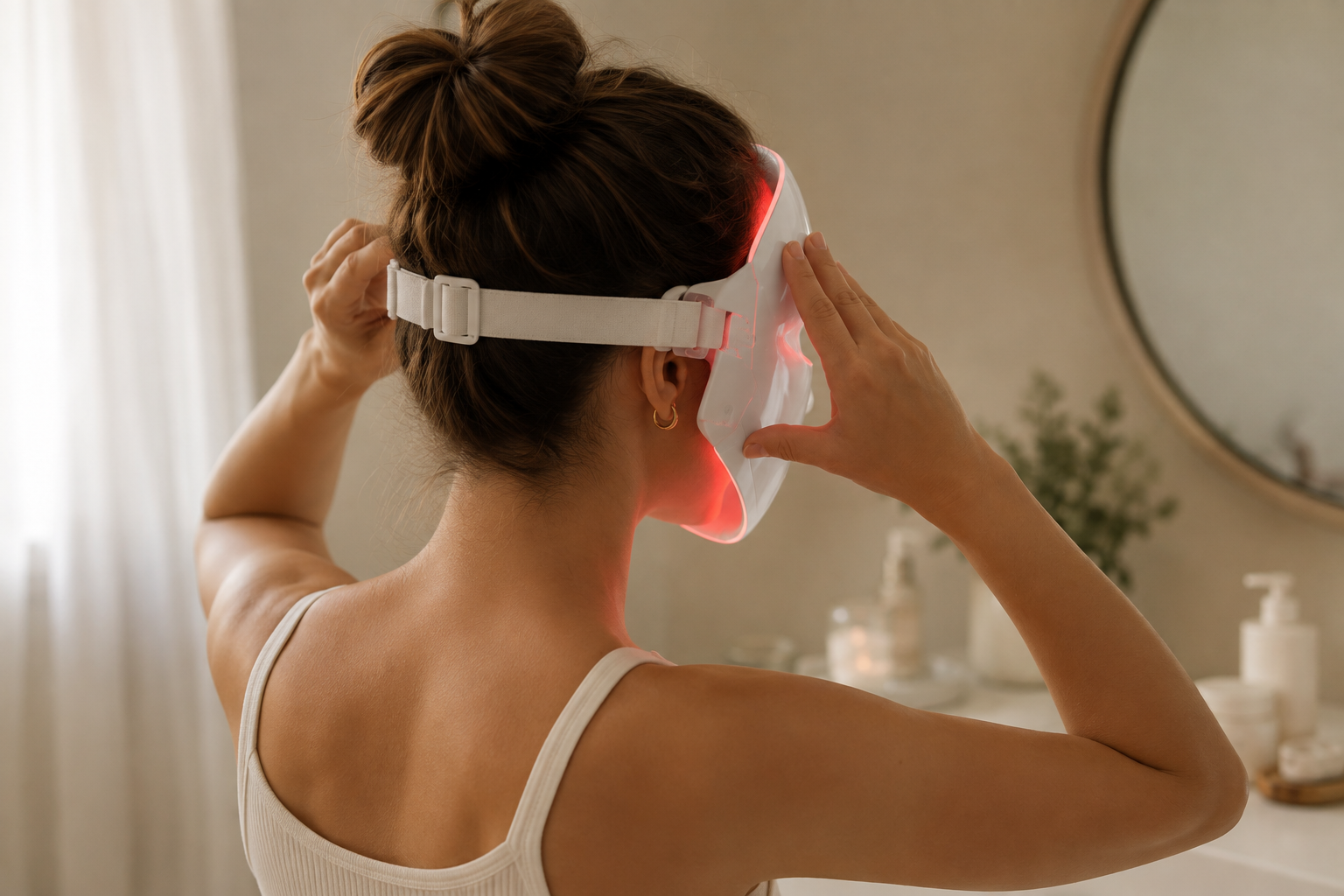
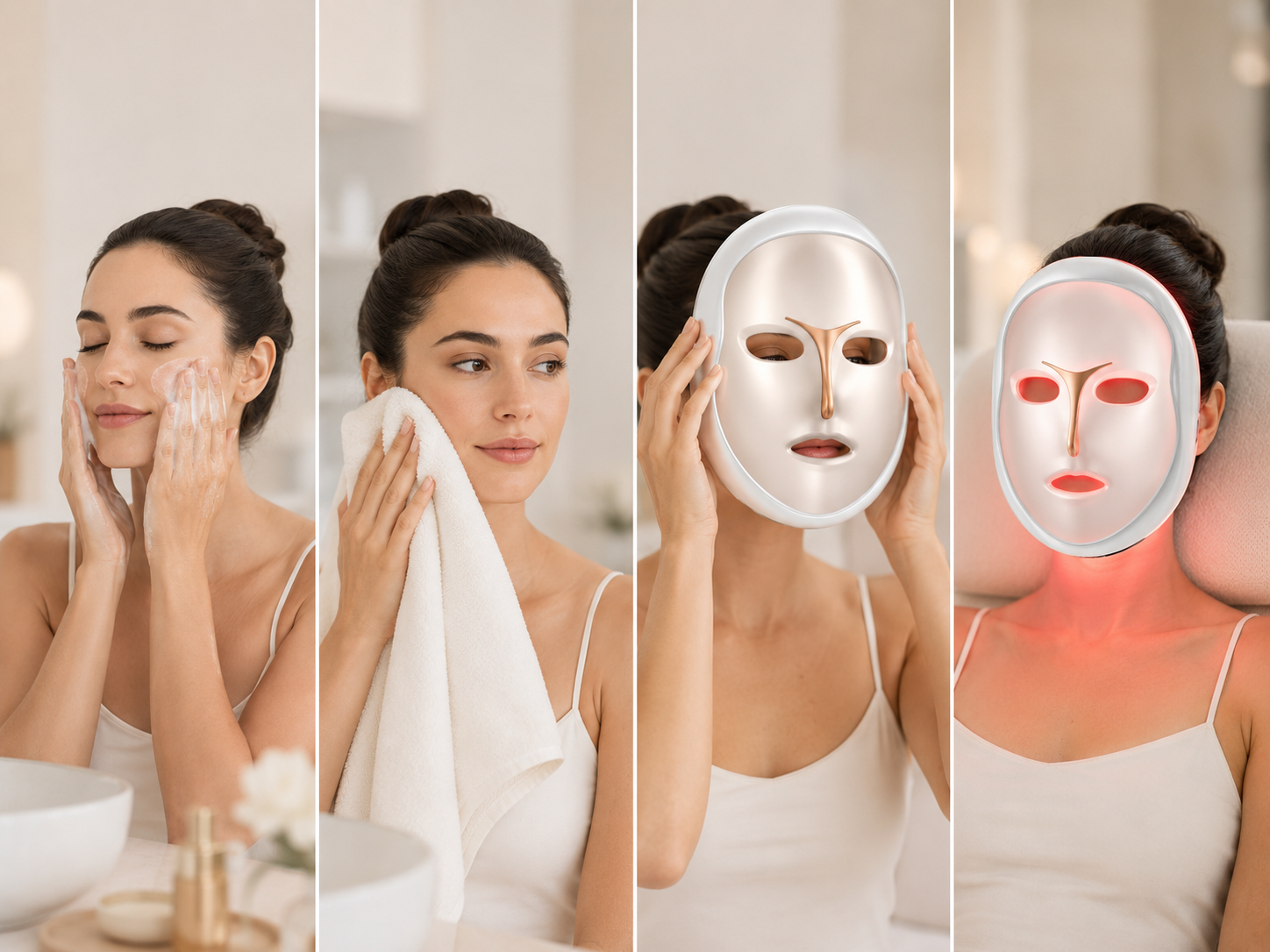
LED masks work best when they are treated as a clean, consistent skincare step rather than something used randomly when the skin looks dull or stressed. The routine itself is simple: cleanse, dry the skin, use the mask, then apply skincare afterward.

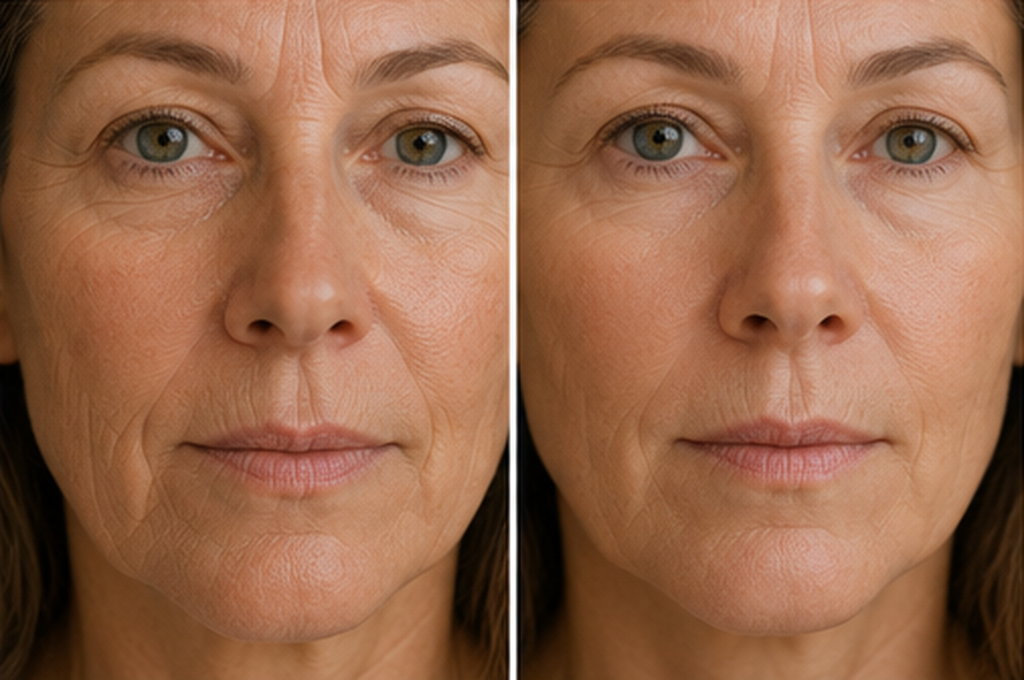
Red light therapy uses specific red or near-infrared wavelengths to support visible skin quality, including smoother-looking texture, better radiance, more even tone, and a calmer-looking complexion over time. It is most often discussed for the face, where concerns like dullness, fine lines, redness, and uneven texture tend to show first.

Dark circles under eyes can make the face look tired even when the skin is otherwise healthy. LED light therapy can be a useful addition to a dark circle routine, especially when the under-eye area looks dull, uneven, tired, or thin. By supporting better-looking skin quality over time, it can help the area appear brighter, calmer, and more refreshed.
Key events for dermatology professionals in 2026
Get evidence-based skincare articles delivered to your inbox weekly. No spam, unsubscribe anytime.