Ingrown Hairs: Why They Happen and How to Prevent and Treat Them
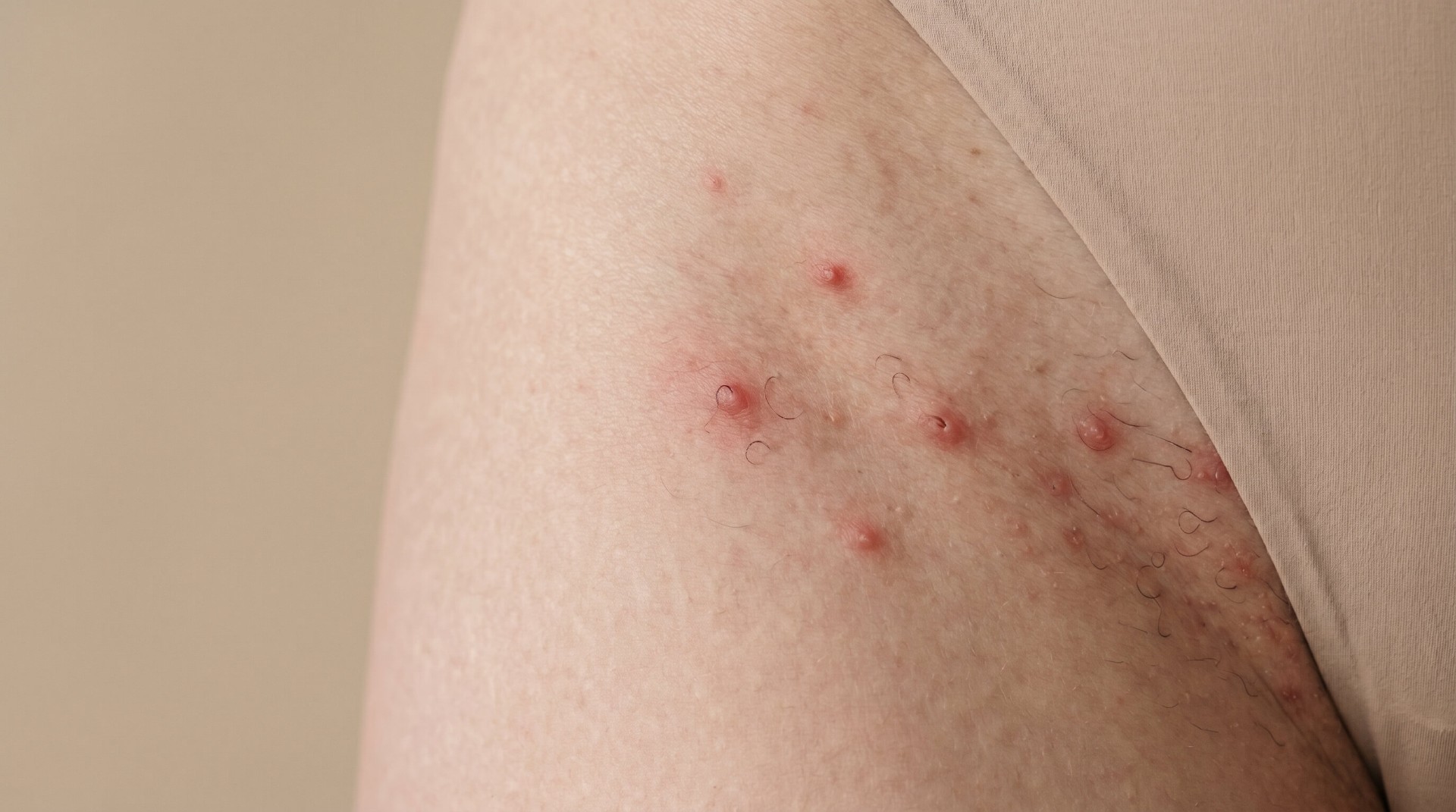
Painful red bumps where you shaved or waxed are usually ingrown hairs — and the way you've been treating them is probably making them worse. Here's the actual playbook.
Targeted guidance for specific skin issues including acne, hyperpigmentation, barrier damage, rosacea, and more. Real solutions backed by dermatological research.

Painful red bumps where you shaved or waxed are usually ingrown hairs — and the way you've been treating them is probably making them worse. Here's the actual playbook.

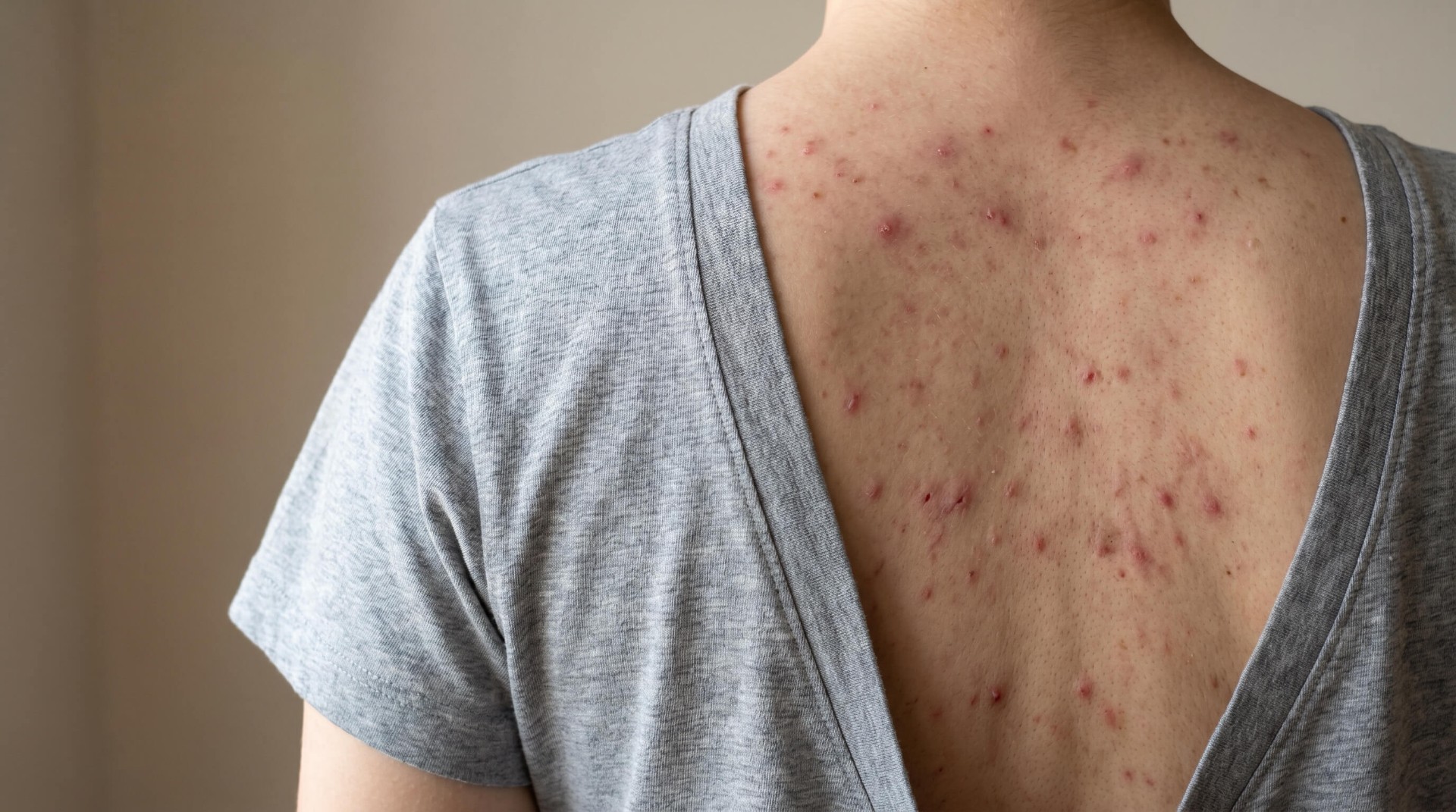
Back and chest acne is more stubborn, more inflammatory, and more often caused by friction, sweat, and Malassezia than your face acne ever is. Treating it like facial acne is why nothing has worked.

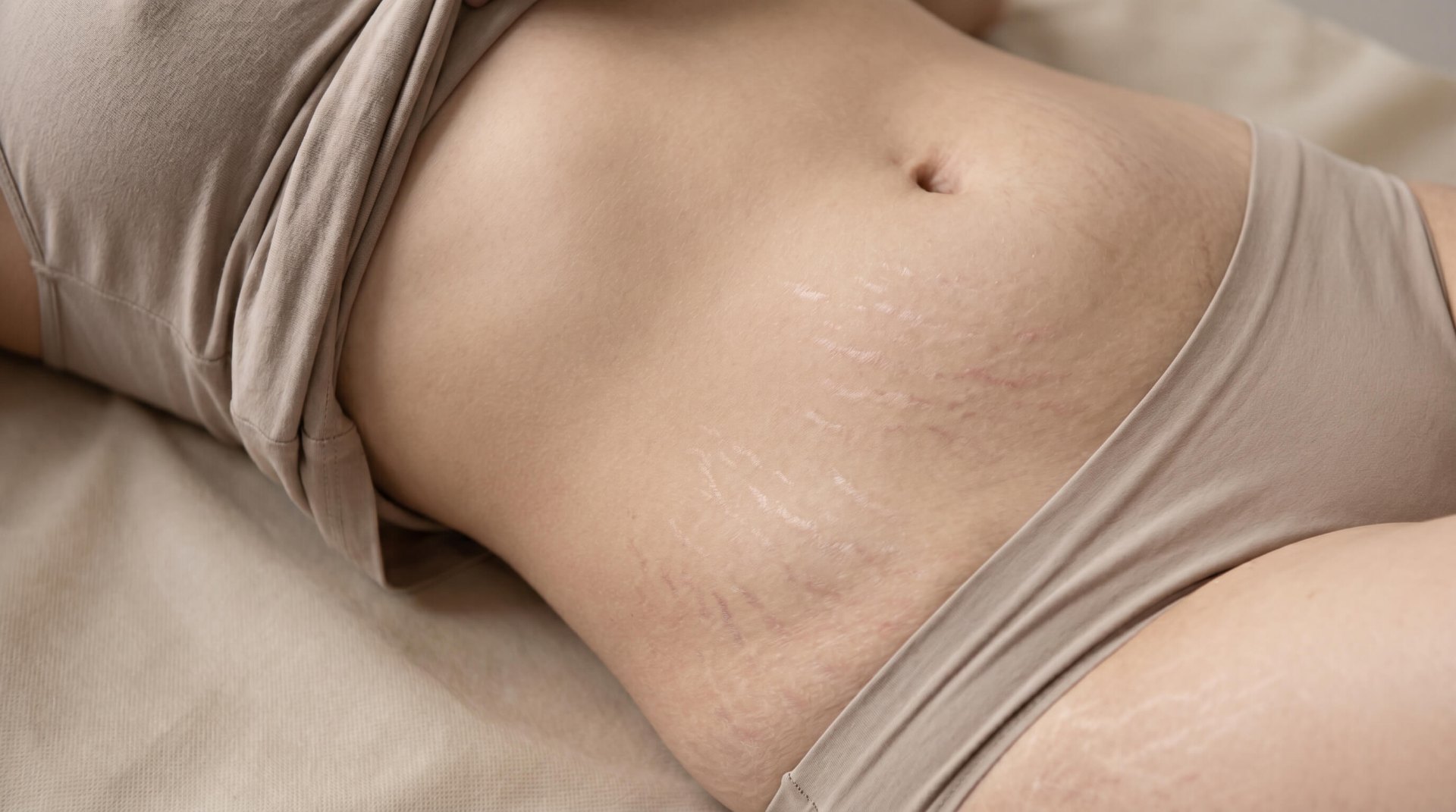
Stretch marks aren't just cosmetic surface lines — they're real scars formed in the deeper dermis. Understanding what they actually are explains why most products do nothing and which treatments truly help.

Not every skin reaction is a 'purge.' Sometimes your skincare is genuinely hurting you — and continuing to use the offending product can turn a brief flare into a months-long problem.

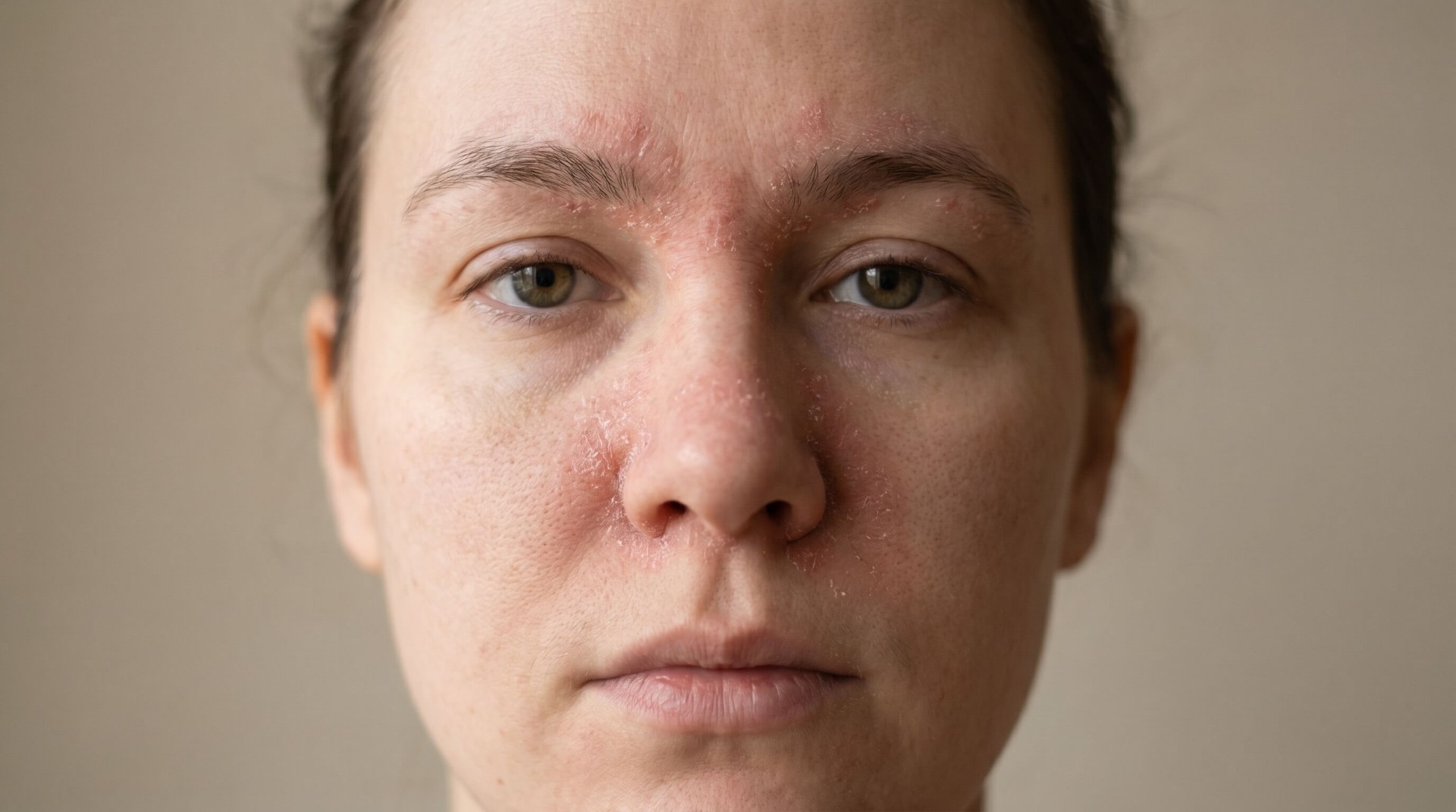
Persistent redness and flaking on your nose, brows, or scalp that gets worse with acne products is almost never acne. It's usually seborrheic dermatitis — and it needs an entirely different approach.

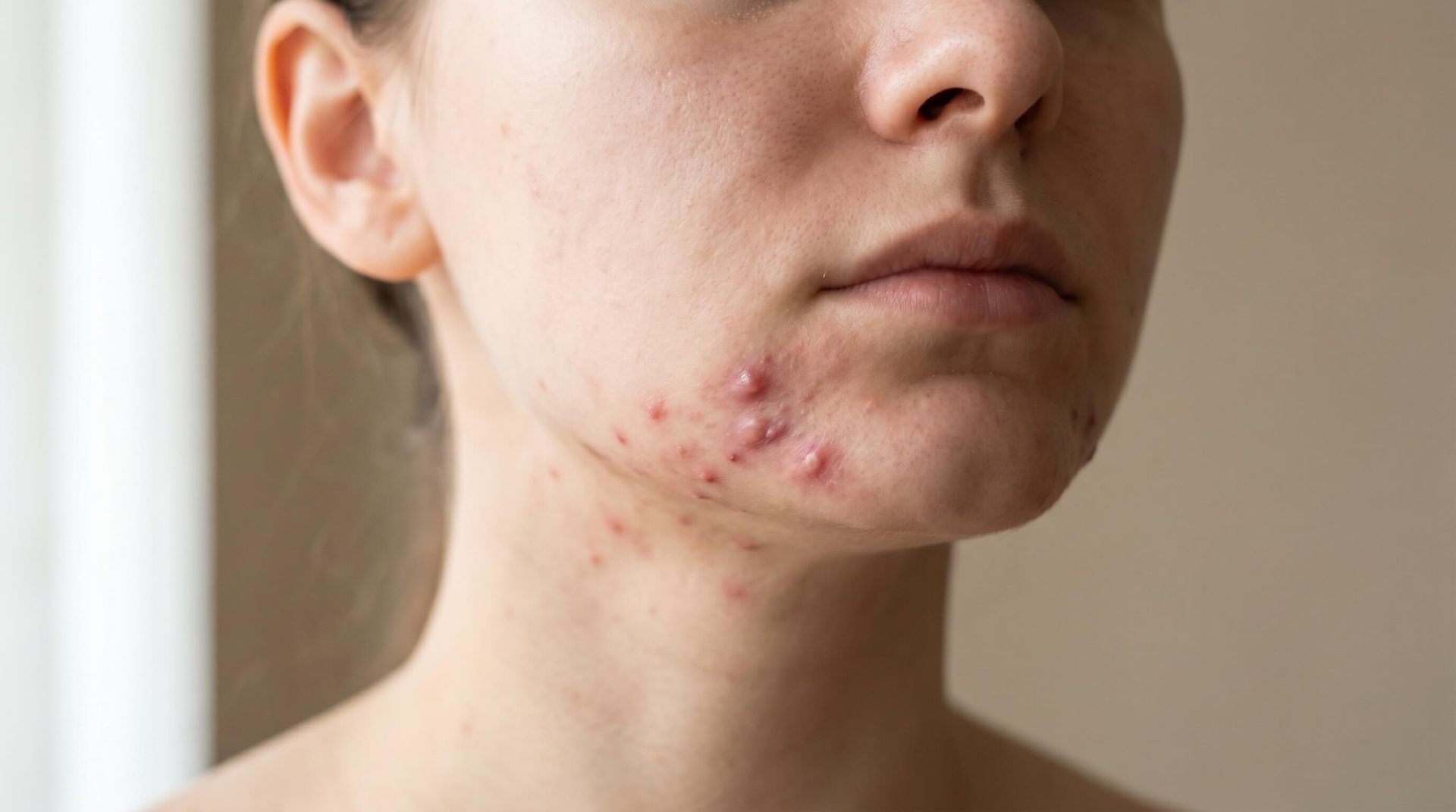
If your breakouts cluster on your jawline, flare a week before your period, and shrug off every spot treatment you try, you're not dealing with regular acne. You're dealing with hormones.

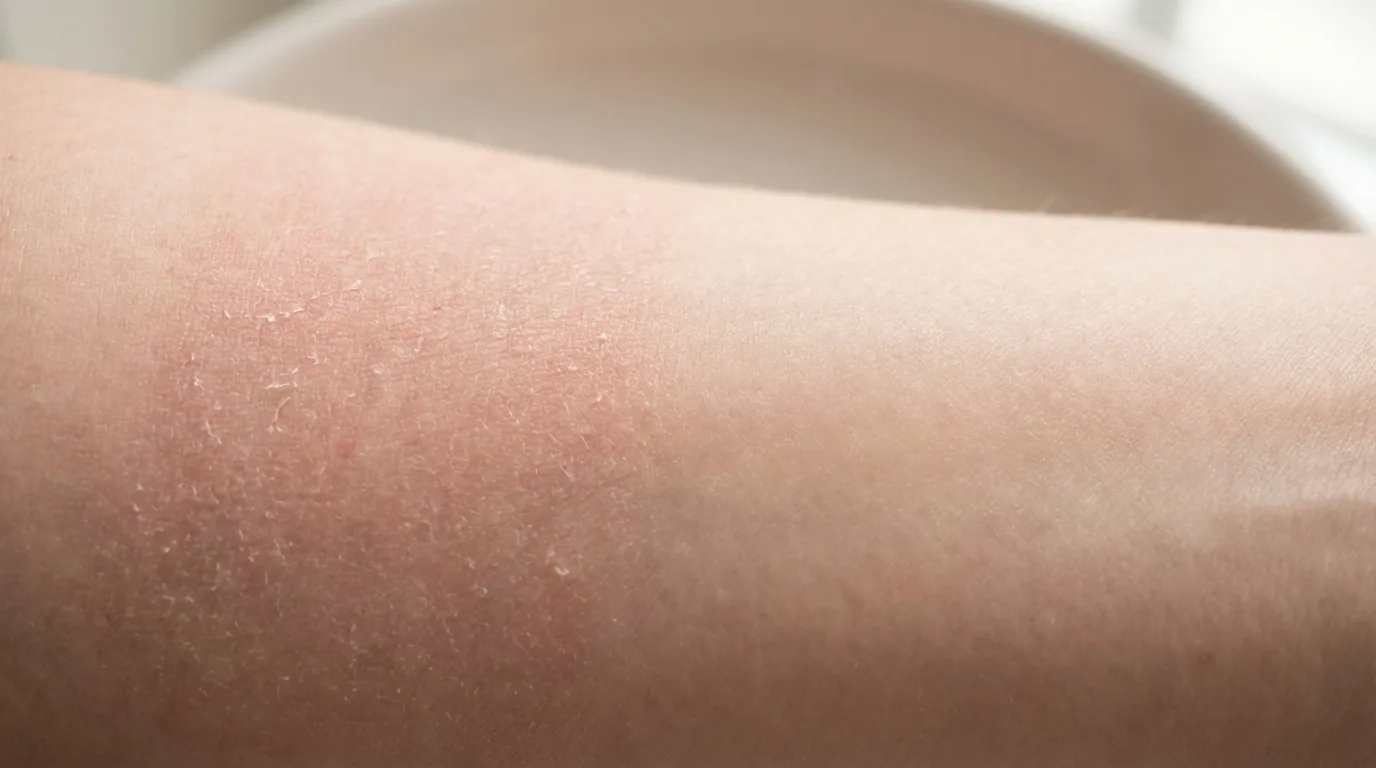
Dry and dehydrated sound like the same thing, but they're entirely different problems with entirely different solutions. Mixing them up is one of the most common reasons routines stop working.

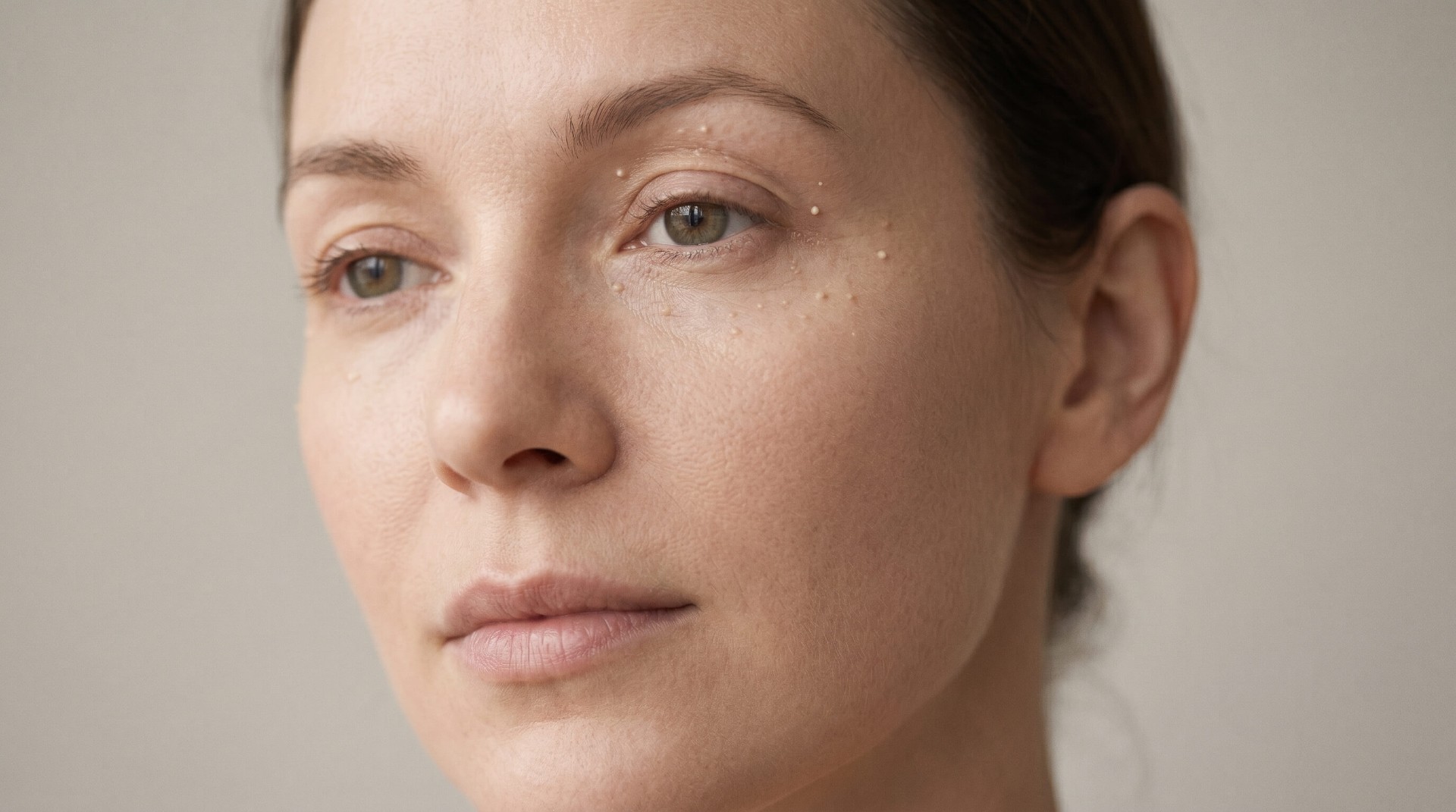
Tiny, hard, pearl-white bumps that won't budge no matter how hard you press. Milia are not pimples, and treating them like acne is a fast way to make them worse.

Those red, scaly patches on your skin — are they eczema or psoriasis? The distinction is critical because the conditions have different causes, different triggers, and different treatments.
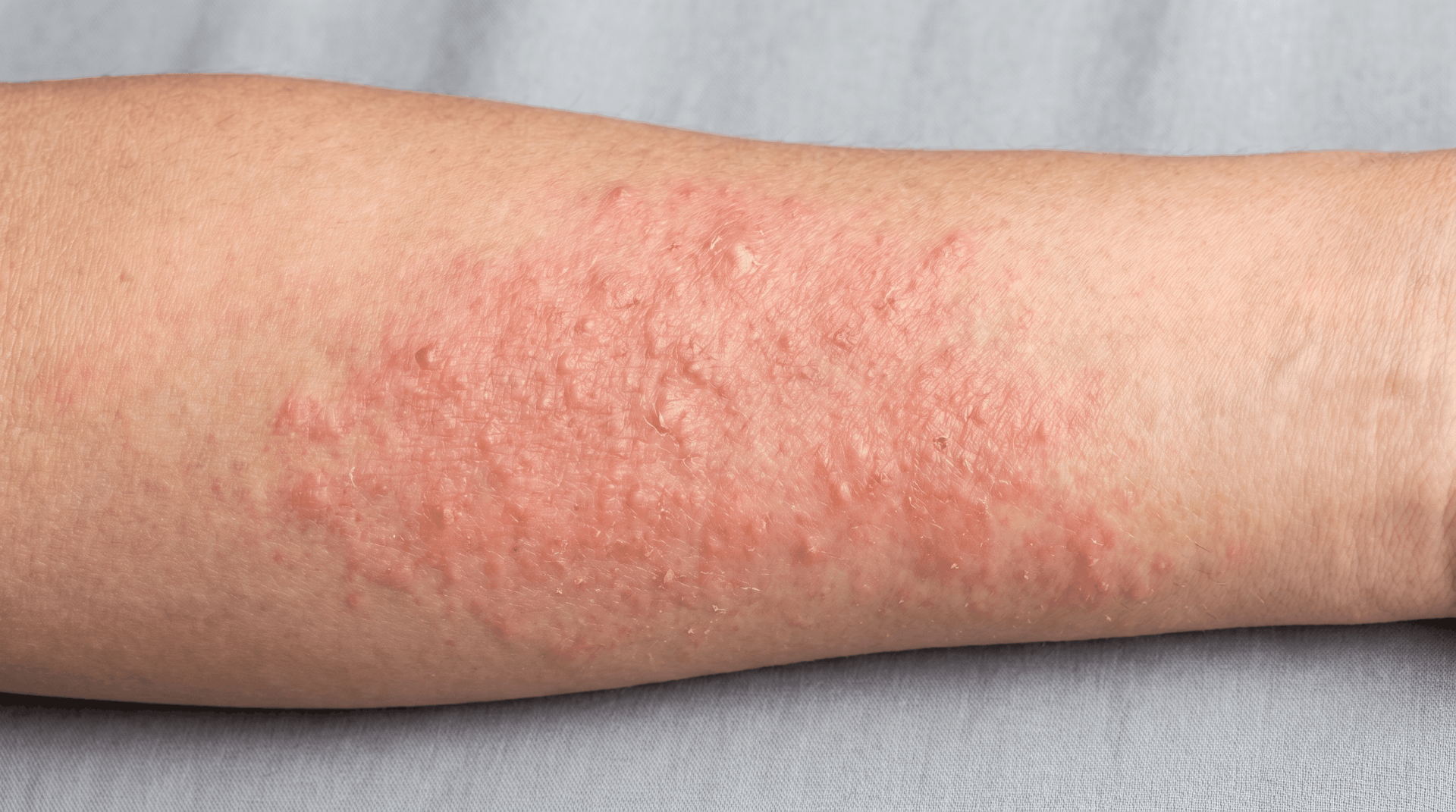
Eczema isn't just dry skin — it's a complex inflammatory condition driven by genetics, immune dysfunction, and barrier defects. Here's what the science actually says about managing it.

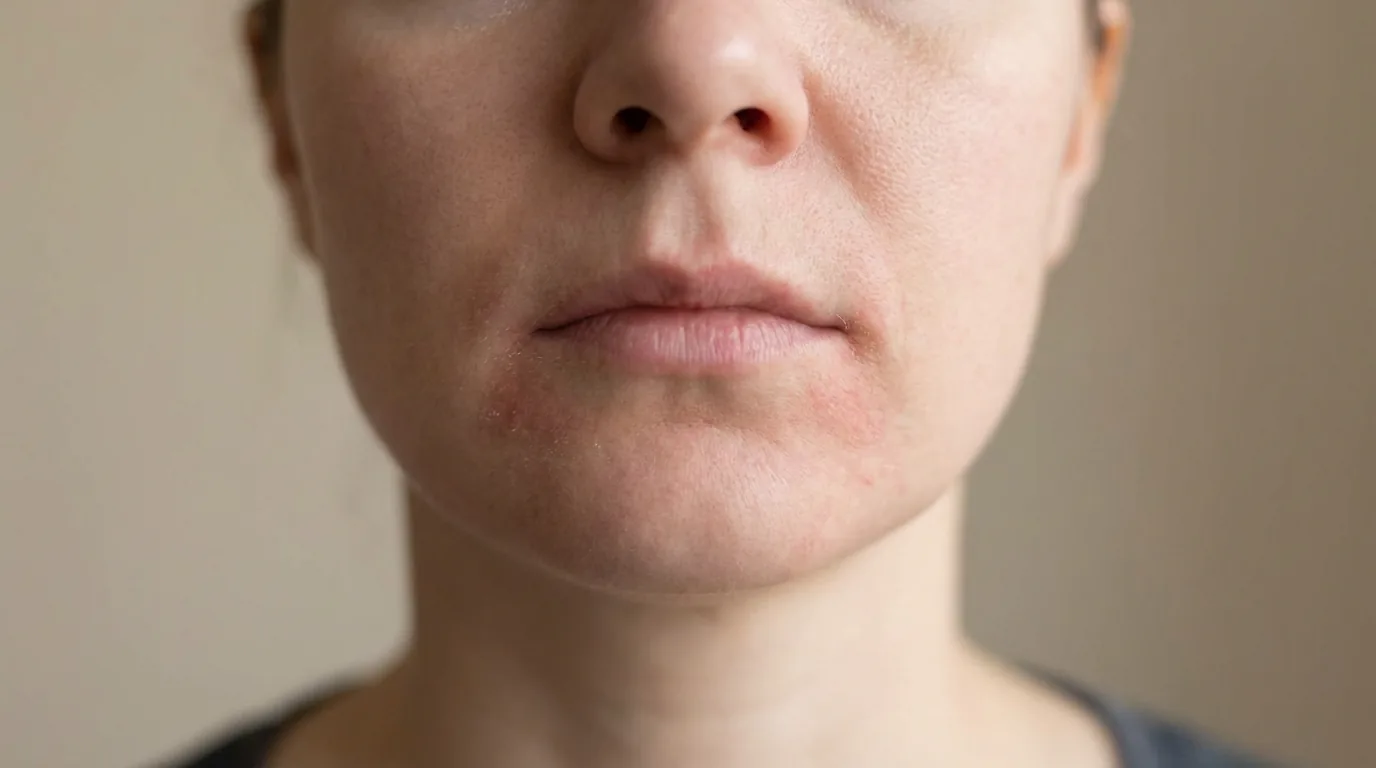
That stubborn, bumpy rash around your mouth that won't respond to anything you throw at it? It might be perioral dermatitis — and treating it requires doing the opposite of what you'd expect.
Red light therapy has gone from niche biohacking trend to mainstream anti-aging treatment. But what does the dermatological evidence actually support?

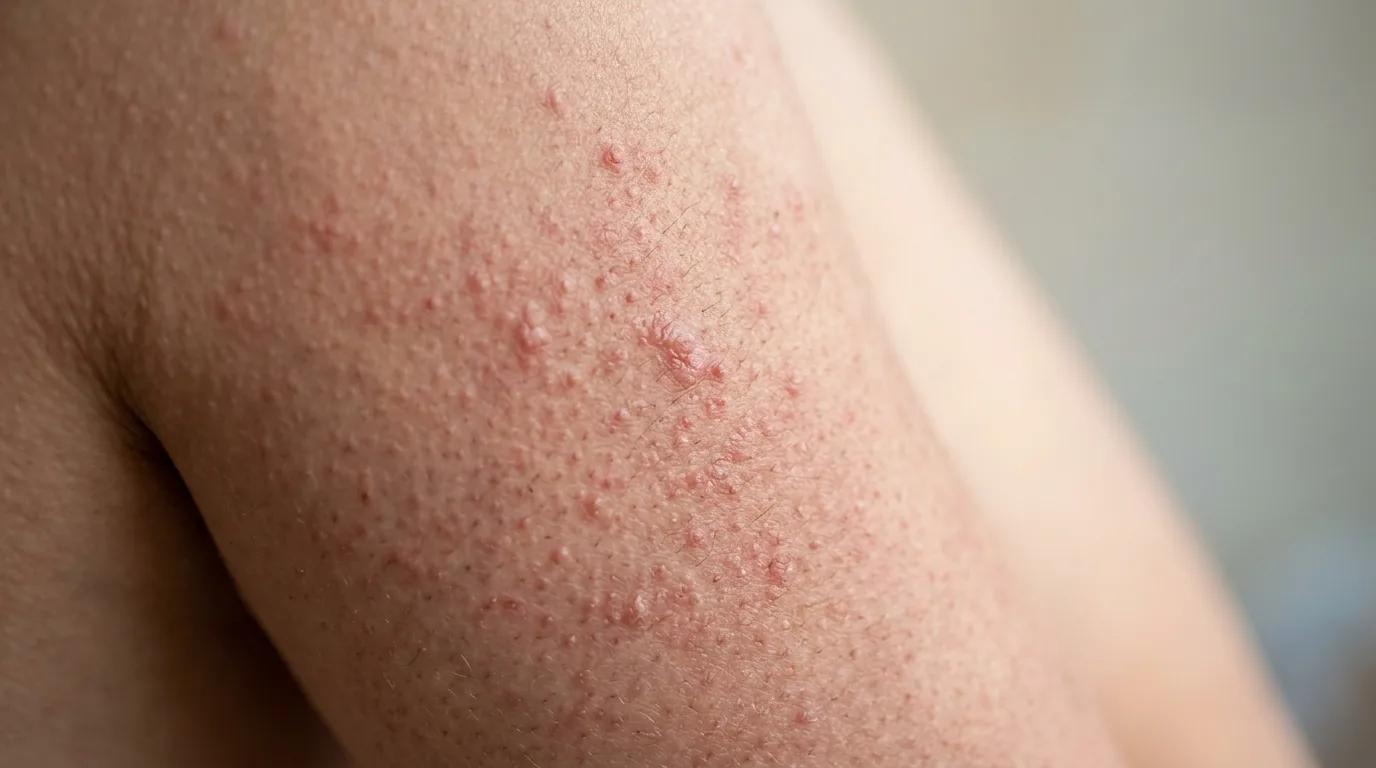
Those tiny, rough bumps on your upper arms that never seem to go away? That's keratosis pilaris — and while it's completely harmless, there are effective ways to smooth it out.

The collagen industry is worth billions, but which at-home treatments actually stimulate collagen production? We reviewed the clinical evidence for all of them.

People use 'hyperpigmentation' and 'age spots' interchangeably, but they're not the same thing. Understanding the difference determines which treatment will work.

If your acne doesn't respond to benzoyl peroxide, retinoids, or antibiotics, you might be treating the wrong condition entirely. Fungal acne requires a fundamentally different approach.

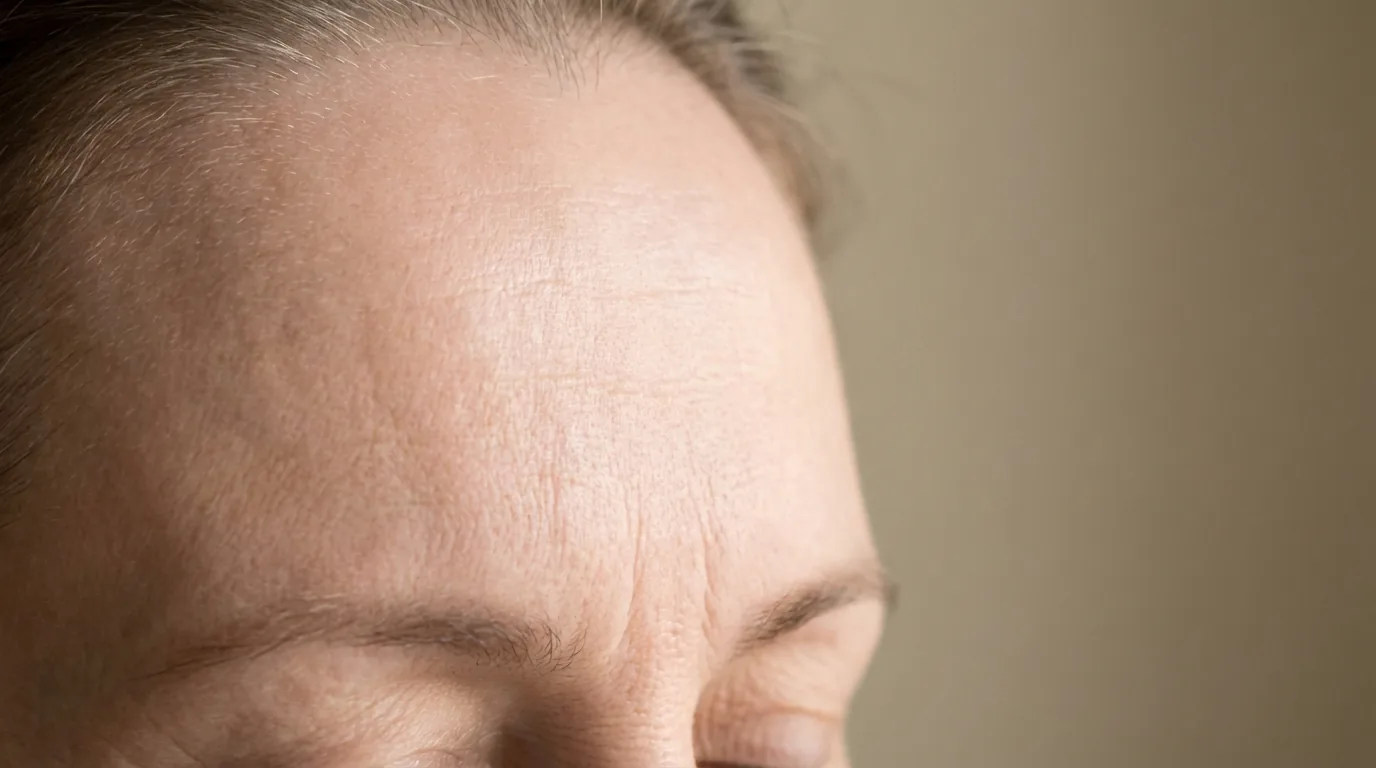
Forehead lines are among the most common aging concerns. Here's what's causing yours and which treatments — from at-home to professional — actually work.
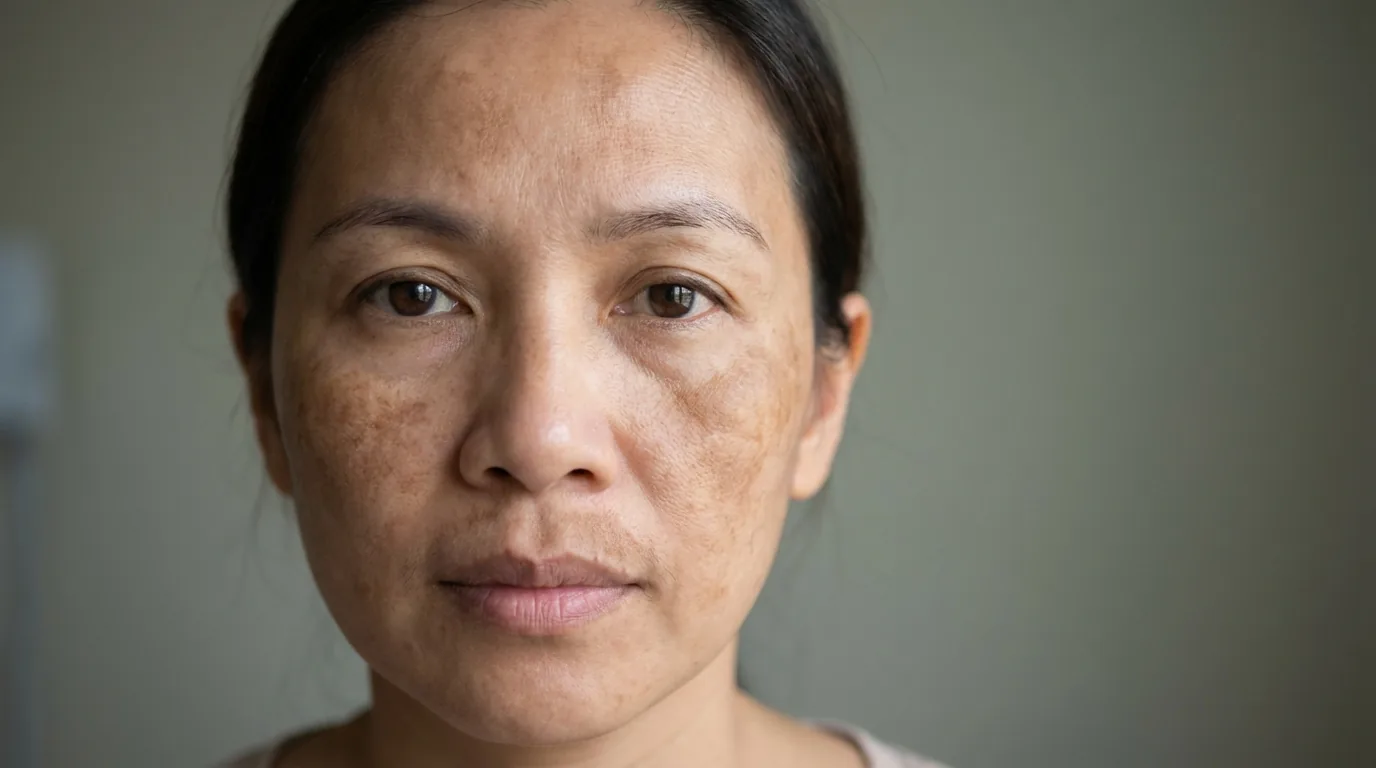
That symmetrical brown discoloration on your cheeks isn't typical hyperpigmentation — it's melasma, and treating it requires a completely different approach than treating dark spots from acne.

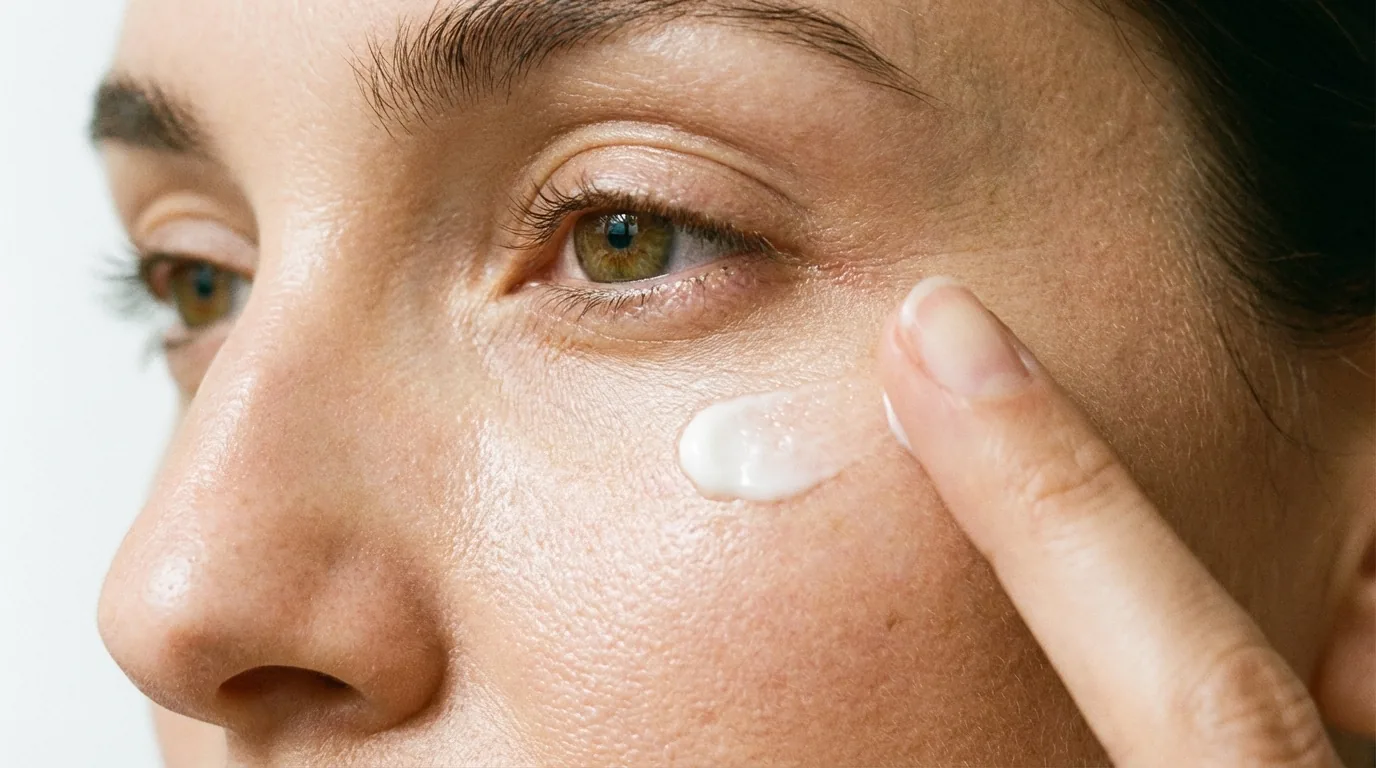
Eye creams are one of the most debated products in skincare. Are they a necessary investment or expensive marketing? The answer is more nuanced than you'd think.
Retinol is the most evidence-backed anti-aging ingredient available over the counter. Here's exactly how to start using it without destroying your skin in the process.

Not all reactive skin is 'sensitive.' Most people with irritated, stinging, red skin have sensitized their skin through products or habits — and that's actually good news, because it's reversible.

Collagen loss is the single biggest driver of visible skin aging. Understanding how it works is the first step toward slowing it down effectively.
Your skin is the largest organ in your body, and it responds to stress in measurable, physiological ways. Here's the science behind stress breakouts — and what actually helps.

Sun damage is cumulative and often doesn't become visible until years after the exposure. Here's how to address existing damage and prevent more from forming.
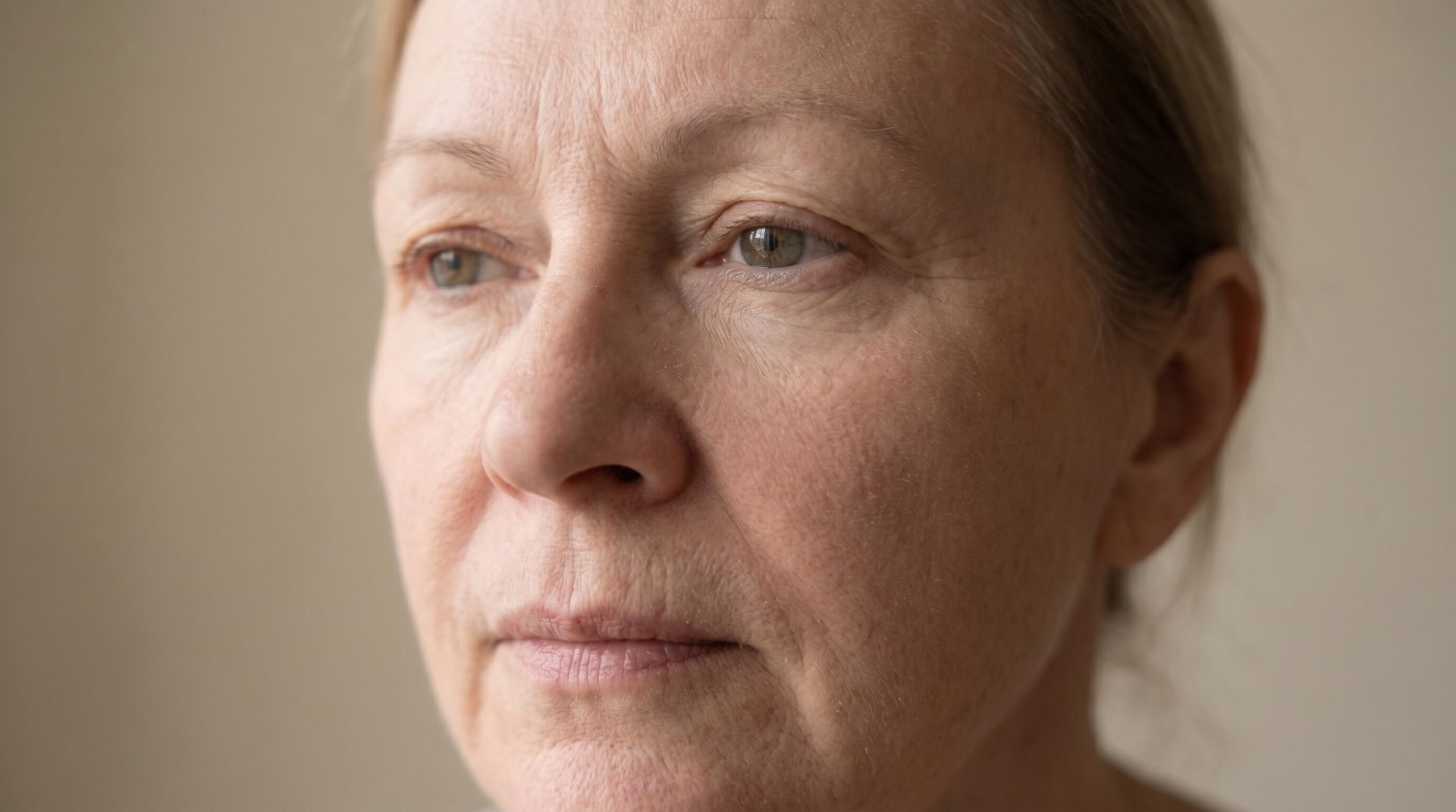
Not all wrinkles are created equal. Understanding whether you're dealing with fine lines or deep wrinkles determines which treatments will actually work.
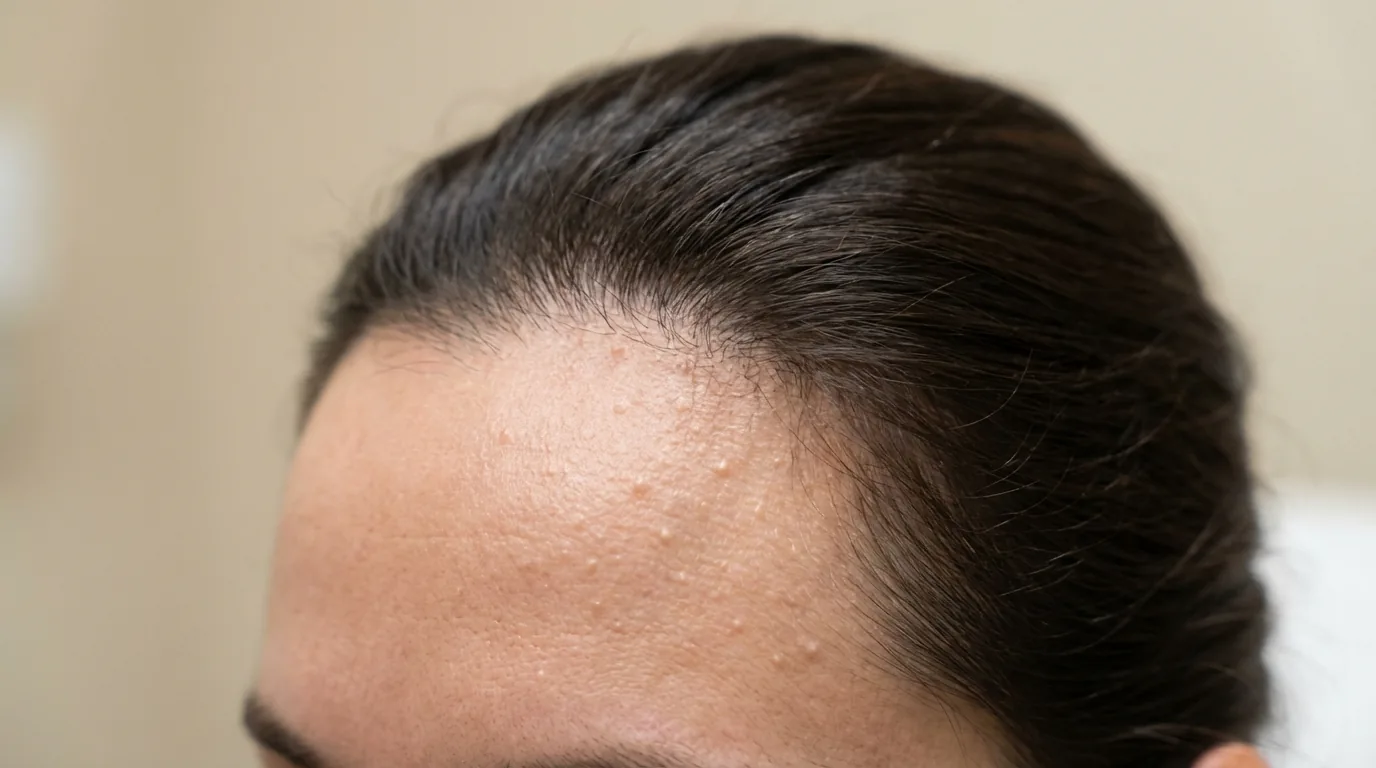
Those tiny, flesh-colored bumps that refuse to come to a head? They're closed comedones — and they require a completely different treatment strategy than inflammatory acne.

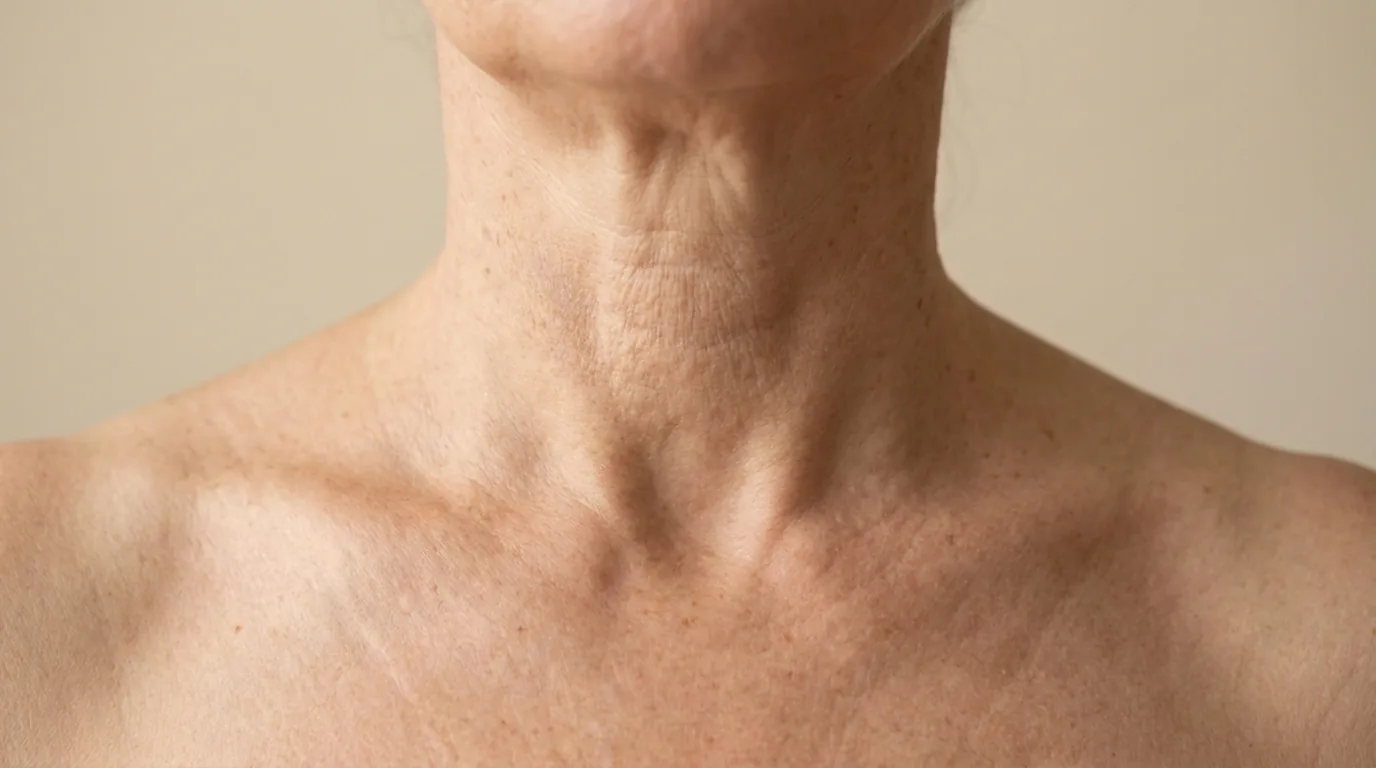
Most people invest heavily in their facial skincare routine but completely neglect the neck and chest — two areas that often show aging first.

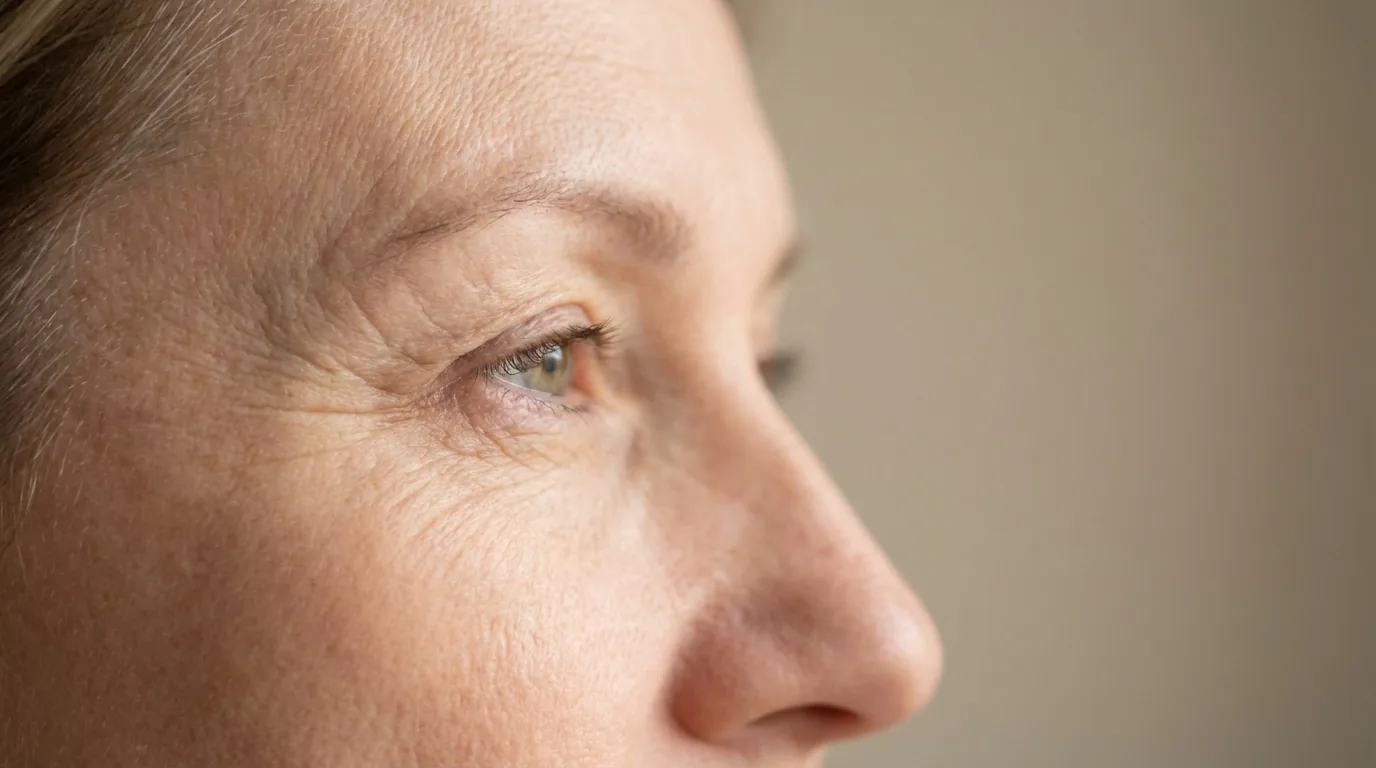
Crow's feet are among the first visible signs of aging. Here's what the research says about preventing and treating these periorbital lines effectively.
Starting around age 30, your skin produces roughly 1% less collagen each year. Here's what's really happening beneath the surface — and what you can do about it.
It sounds counterintuitive, but skipping moisturizer can actually make oily skin worse. Here's the physiological explanation — and what to do about it.
Eye creams promising to eliminate dark circles sell billions annually. But the truth is more nuanced — the first step is identifying what type you actually have.
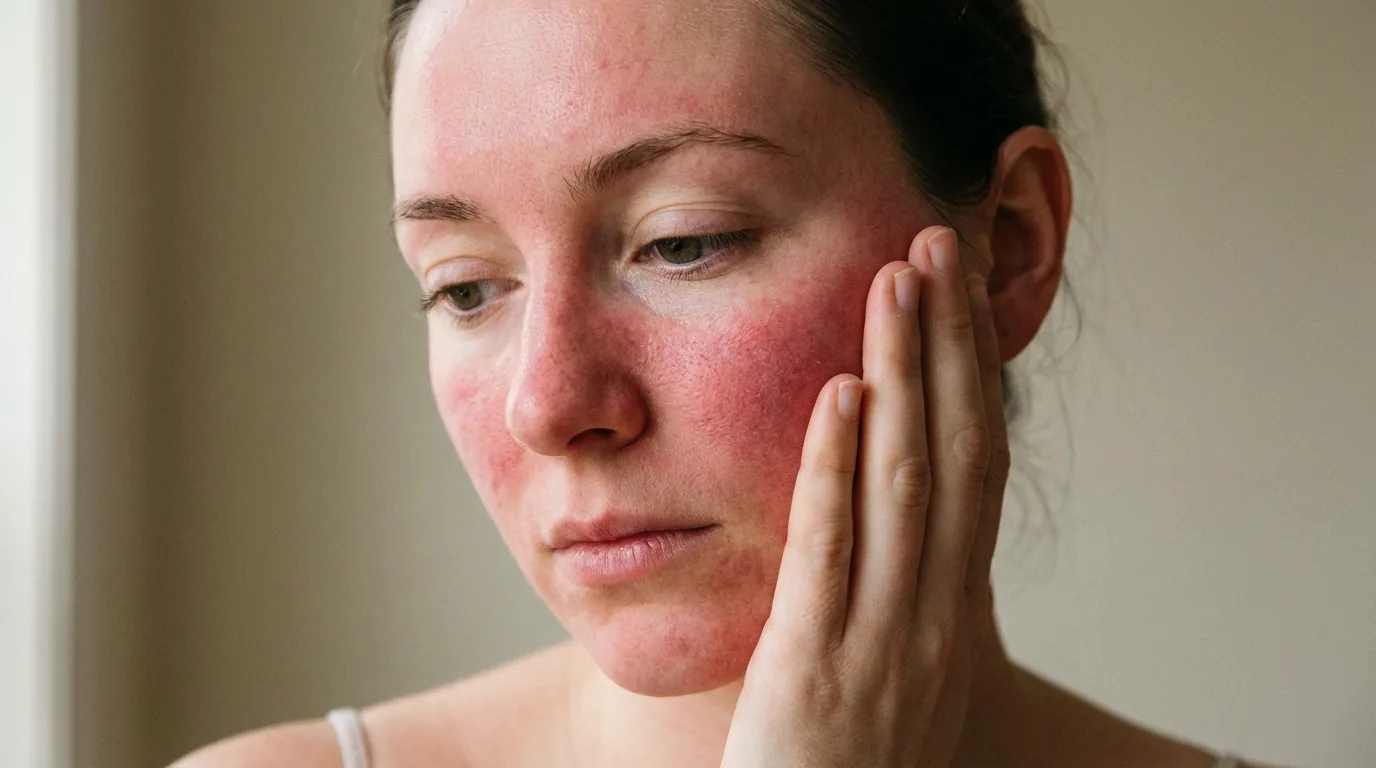
Your face is red and you've convinced yourself it's rosacea. But redness has many causes — and treatment depends entirely on the correct diagnosis.
That dark spot left behind after a breakout — is it PIE or PIH? The distinction matters more than you think, because the treatments are completely different.
If your skin is red, stinging, and reactive to everything — your barrier is probably compromised. Here's how to repair it based on actual dermatological science.
You thought acne was a teenage problem. So why is your skin still breaking out at 32? The causes of adult acne are different — and so are the solutions.