Key Takeaways
- •Body acne involves larger, oilier sebaceous glands than facial skin, producing deeper and more inflammatory lesions.
- •What looks like back or chest acne is often pityrosporum (fungal) folliculitis — and antibacterial acne treatment makes it worse.
- •Sweat, friction from clothing, and occlusive workout gear are the dominant triggers that don't apply to facial acne.
- •Benzoyl peroxide body washes are the most reliable first-line treatment for true body acne.
- •Salicylic acid creams help clear keratin plugs in body skin's larger follicles.
- •Showering immediately after workouts and avoiding fabric softener can dramatically reduce flares.
Why Body Acne Behaves Differently
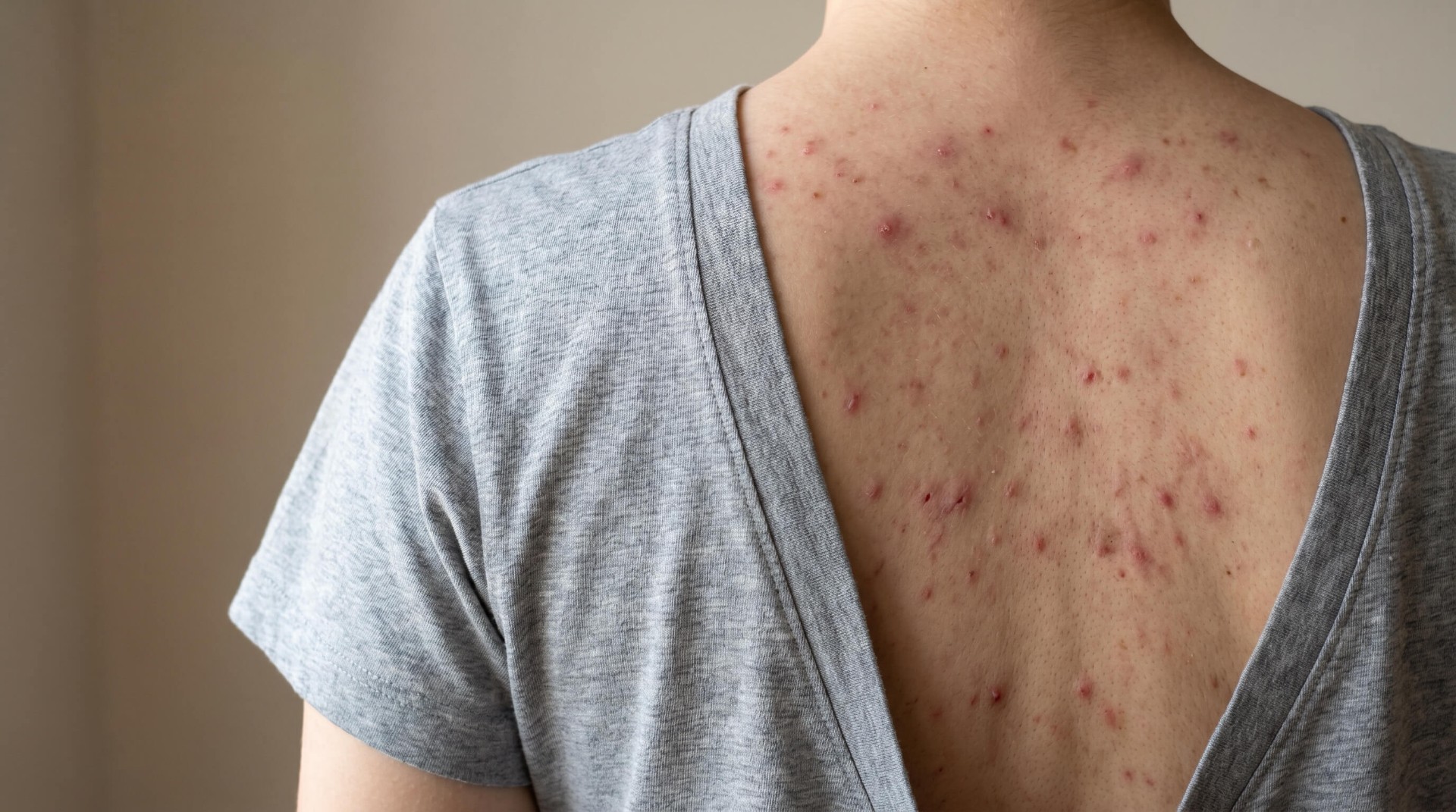
The skin on your back, chest, and shoulders has fundamentally different anatomy than facial skin. Sebaceous glands are larger, oilier, and grouped more densely in these zones. The follicles themselves are deeper, and the surrounding tissue has thicker stratum corneum. When acne forms here, it tends to be more deeply seated, more inflammatory, and slower to resolve than the equivalent breakout on your face.
Body skin also faces a completely different set of mechanical and environmental stressors than your face. Tight clothing creates friction. Sweat pools and stays trapped against the skin under workout gear and bras. Shampoo and conditioner residue runs down the back during showering. Backpack straps create persistent pressure on the upper back. Each of these factors changes the way breakouts develop and respond to treatment.
The result is that the playbook for facial acne — gentle cleansing, topical retinoids, targeted spot treatments — often falls flat for body acne. Body skin can tolerate and benefit from more aggressive surface treatments that would devastate facial skin, and many of the most effective body acne products would be wildly inappropriate for the face.
Is It Acne, or Is It Fungal?
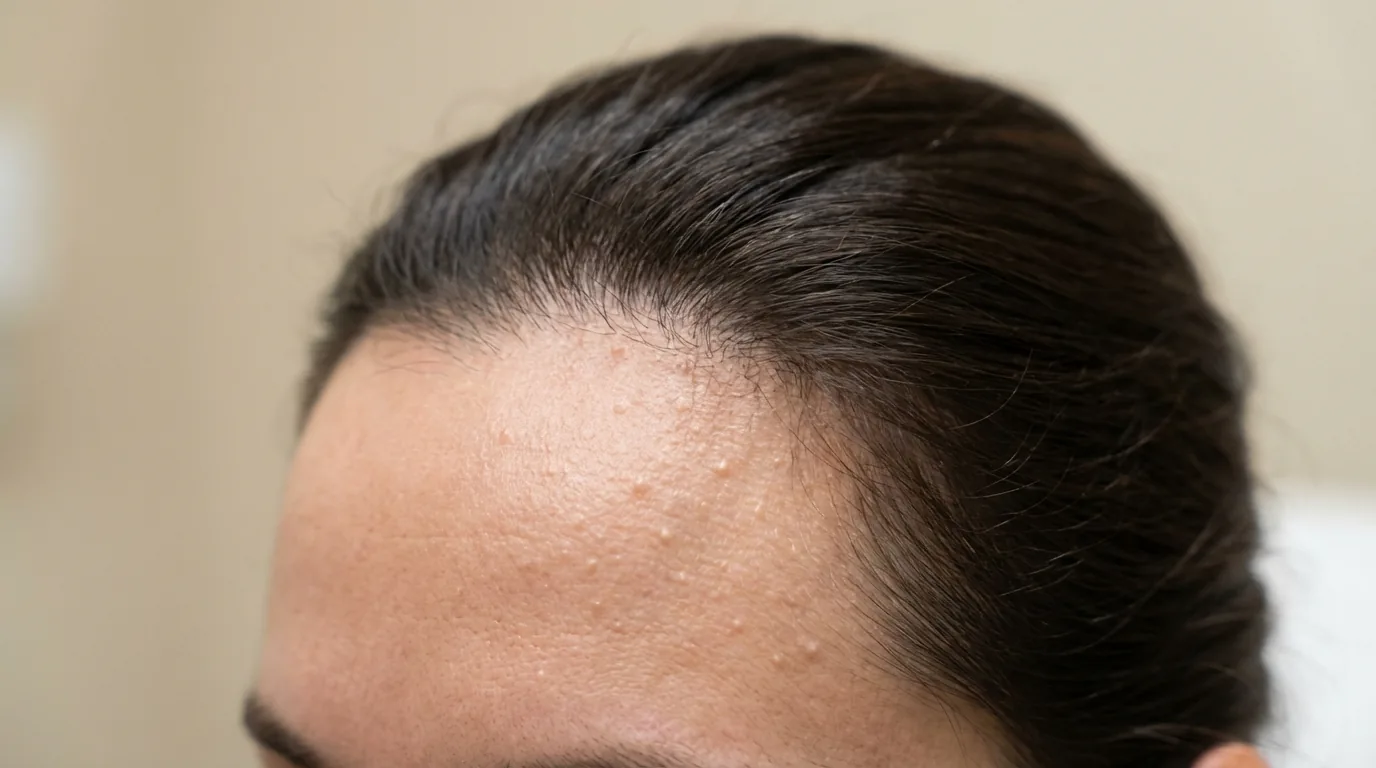
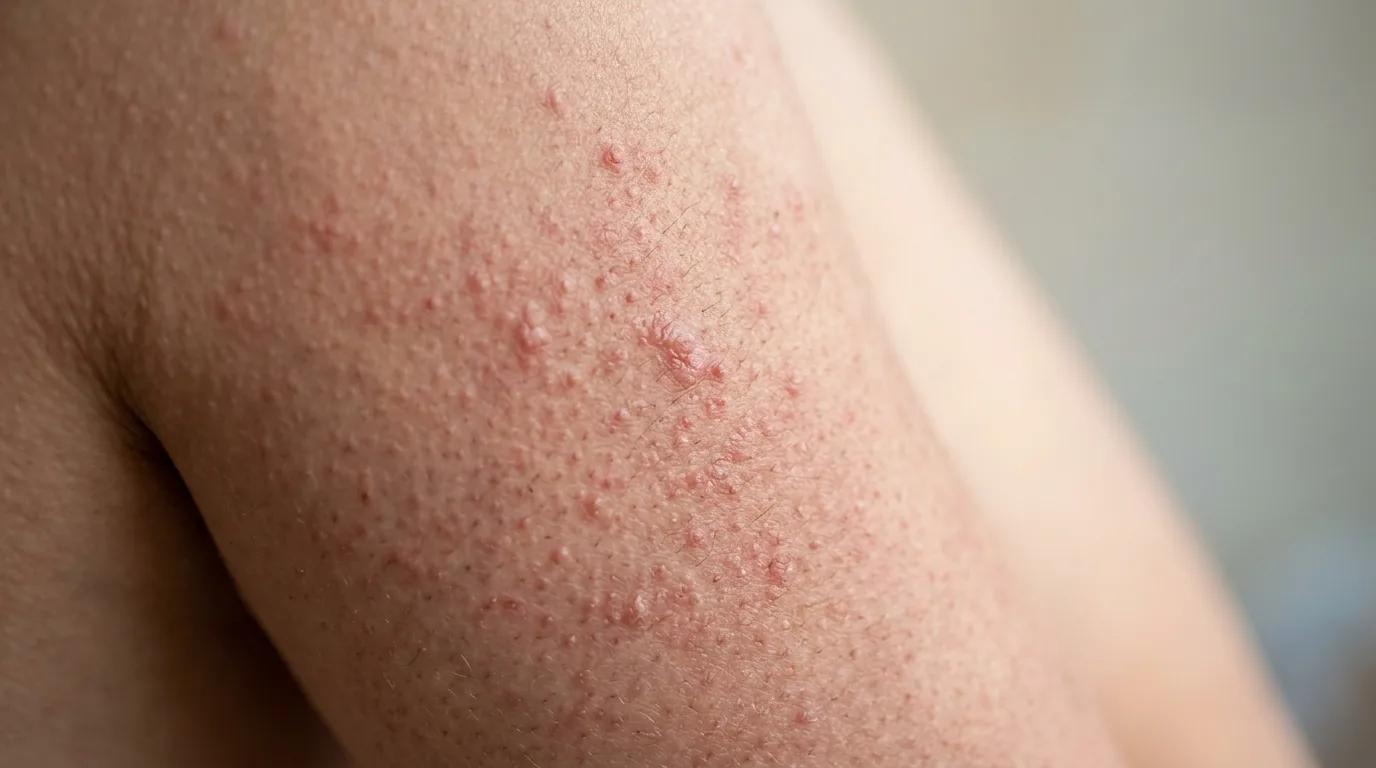
One of the most underdiagnosed causes of 'body acne' isn't acne at all — it's pityrosporum folliculitis (also called Malassezia folliculitis or fungal acne). This is an inflammatory reaction to overgrowth of Malassezia yeast within hair follicles, producing small, uniform, intensely itchy papules that often look strikingly similar to inflammatory acne.
The clues are: lesions are uniformly small (1-2mm), they cluster in tight groups rather than scattering randomly, they itch (true acne usually doesn't), they appear after sweating or wearing occlusive clothing, and — critically — they don't respond or get worse with benzoyl peroxide and antibiotics, which target bacteria rather than yeast.
If your back breakouts fit this pattern, treat them as fungal: use an antifungal shampoo like Nizoral as a body wash 2-3 times per week, leaving it on for 5 minutes before rinsing. Avoid heavy oils and creams on the affected areas. Fungal folliculitis usually clears within 2-4 weeks of consistent antifungal treatment, while it would only worsen with traditional acne products.
What Actually Treats True Body Acne
For true bacterial body acne, benzoyl peroxide body washes are the most reliable first-line treatment. They kill C. acnes bacteria directly, don't drive antibiotic resistance, and can be used as a short-contact treatment in the shower. The trick is to lather them on, leave them for 1-2 minutes while you finish other shower tasks, then rinse — this gives the active enough contact time without prolonged exposure that would dry the skin excessively.
PanOxyl Acne Foaming Wash with 10% benzoyl peroxide is the strongest over-the-counter option and the dermatologist's standard recommendation for moderate-to-severe body acne. The 4% version is gentler for sensitive or thinner-skinned areas. Use 3-4 times per week initially, then taper to maintenance based on tolerance.
Neutrogena Body Clear Body Wash uses 2% salicylic acid as an alternative active that's better tolerated by sensitive skin and addresses the comedonal component of body acne by clearing keratin plugs. It pairs well with benzoyl peroxide on alternating days for a more comprehensive approach.
The Salicylic Acid Approach
Salicylic acid deserves special attention for body acne because the larger, deeper follicles characteristic of body skin are particularly prone to keratin buildup that creates the foundation for both acne and pityrosporum folliculitis. Surface chemical exfoliation thins the stratum corneum, dislodges keratin plugs, and allows other treatments to penetrate effectively.
CeraVe SA Cream combines salicylic acid with ceramides and hyaluronic acid in a leave-on formulation specifically designed for body skin. It addresses both keratin buildup and barrier health simultaneously, making it ideal for the chronic body acne sufferer who wants a daily maintenance product rather than another stripping wash.
Apply it after showering to slightly damp skin on the back, chest, and shoulders. Daily use is fine for most people. The texture is light enough to wear under clothing without staining or transferring. Expect 4-6 weeks of consistent use before significant improvement, with continued benefit accumulating over months.
Lifestyle Triggers You're Probably Underestimating
Sweat is the dominant trigger for body acne in active people. The combination of sweat, sebum, and friction creates ideal conditions for both bacterial and fungal proliferation. Shower as soon as possible after working out — within 30 minutes ideally. If you can't shower immediately, change out of sweaty clothing and wipe down with body wipes containing salicylic acid as a stop-gap.
Friction from clothing matters more than most people realize. Tight workout gear, backpack straps, sports bras, and even wearing the same hoodie repeatedly can drive what dermatologists call 'acne mechanica' — breakouts caused by physical friction and pressure. Loose, breathable cotton or moisture-wicking technical fabrics reduce this risk significantly compared to tight non-breathable synthetics.
Laundry choices matter too. Fabric softener and dryer sheets coat fibers with waxes and silicones that can transfer to skin and clog body follicles. Switch to fragrance-free liquid detergent and skip the softener entirely if your back acne is persistent. Hot water washes for towels and pillowcases are also worth considering, especially during active flares.
When to Escalate to a Dermatologist
If 12 weeks of consistent topical treatment haven't produced meaningful improvement, escalate to a dermatologist. Prescription options for body acne include topical retinoids (tretinoin, adapalene) in higher concentrations than OTC, oral antibiotics for inflammatory body acne, hormonal therapy for hormonally driven body acne in women (spironolactone is excellent for chest and back acne tied to menstrual cycles), and isotretinoin for severe nodular or cystic body acne.
Body acne that leaves significant scarring or hyperpigmentation deserves more aggressive intervention because the visible aftermath often outlasts the active breakouts by years. Don't wait through a year of cyst formation hoping it resolves on its own — early prescription treatment prevents lasting marks far better than treating the consequences after the fact.
Sudden-onset severe body acne, especially when accompanied by rapid weight gain, hair changes, mood changes, or menstrual irregularities, warrants a hormonal workup. Conditions like PCOS and rare adrenal disorders can present primarily with body acne and are easy to miss if no one looks for them.
References
- Del Rosso JQ. "The role of skin care as an integral component in the management of acne vulgaris." Journal of Clinical and Aesthetic Dermatology. 2013;6(12):19-27.
- Rubenstein RM, Malerich SA. "Malassezia (pityrosporum) folliculitis." Journal of Clinical and Aesthetic Dermatology. 2014;7(3):37-41.
- Yosipovitch G, et al. "Mechanical aspects of acne (acne mechanica)." Cutis. 2007;79(1):17-21.