Key Takeaways
- •Contact dermatitis is inflammation caused by something touching your skin — not an internal condition.
- •Irritant contact dermatitis (80% of cases) is a direct chemical injury that happens to anyone given enough exposure.
- •Allergic contact dermatitis (20%) is an immune response that develops over repeated exposures — even to ingredients you've used before.
- •Common skincare triggers include fragrance, essential oils, preservatives (MI/MCI), and certain plant extracts.
- •If a new product causes burning, redness, or rash within 48 hours, stop it and stick to bland barrier-restorative care for at least two weeks.
- •Persistent or severe reactions warrant patch testing by a dermatologist to identify the specific allergen.
Two Different Conditions, One Confusing Name
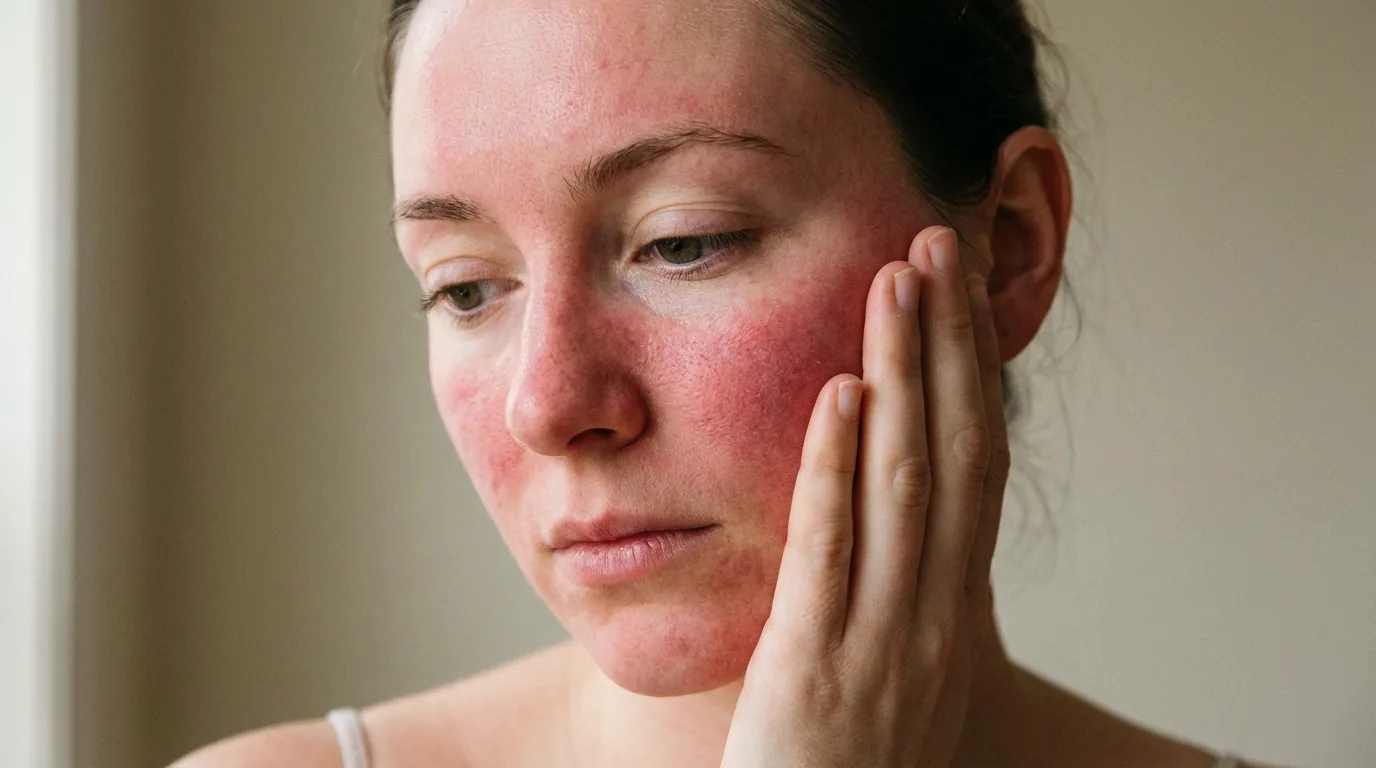
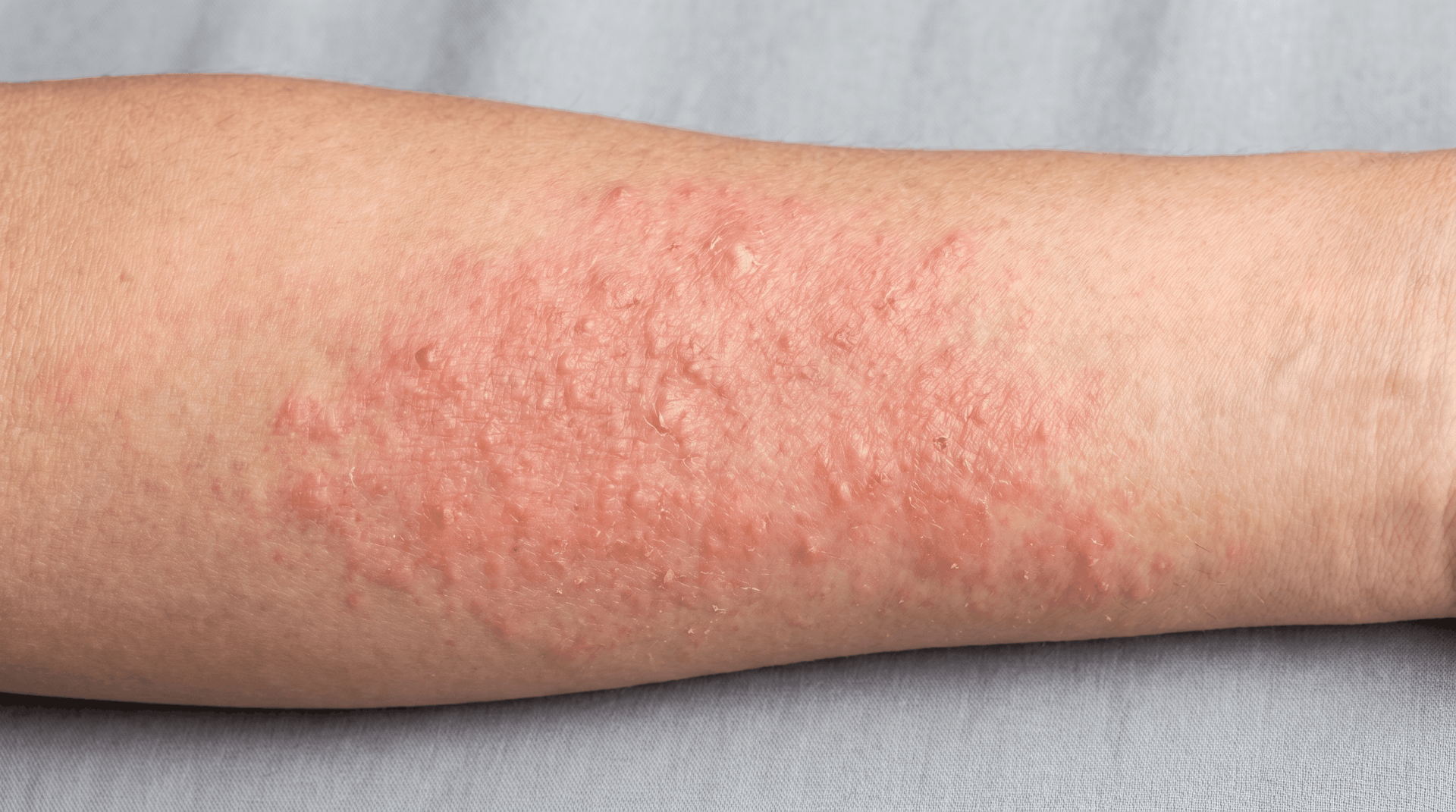
Contact dermatitis is a catch-all term for skin inflammation caused by something physically touching the skin. But that single label hides two fundamentally different mechanisms — irritant contact dermatitis and allergic contact dermatitis — that look similar on the surface but require different management.
Irritant contact dermatitis (ICD) accounts for about 80% of cases. It's a direct, non-immune chemical injury to the skin. If you put enough of an irritating substance on anyone's skin for long enough, they will react — there's no individual sensitivity required. Common culprits include high concentrations of acids and retinoids, harsh surfactants, alcohol, and frequent water exposure.
Allergic contact dermatitis (ACD) is an immune-mediated delayed hypersensitivity reaction. The first exposure to the allergen sensitizes the immune system silently — no visible reaction. With subsequent exposures, the immune system mounts a T-cell-driven inflammatory response. This is why people often develop sudden allergies to products they've used uneventfully for years.
How to Tell Them Apart
Irritant reactions are usually proportional to the dose: stronger product, more area, more reaction. They're often confined to exactly where the product was applied, with sharp borders that match where you spread the cream. They typically appear within minutes to hours of exposure, may sting or burn rather than itch, and resolve relatively quickly once the irritant is removed.
Allergic reactions are more dramatic and harder to predict. They often spread beyond the area of application, with diffuse, ill-defined borders. They typically itch intensely, develop 24-72 hours after exposure (the delayed hypersensitivity timeline), and can persist for one to three weeks even after the trigger is removed. The reaction is also often more severe with each subsequent exposure as the immune system 'learns' the allergen.
A practical clue: if a small new bump or patch of redness appears in a defined area where you applied a new serum the night before, it's probably irritant. If you wake up two days later with intense itching across your whole face that's spreading and won't quit, you're likely dealing with an allergy.
The Most Common Skincare Triggers
Fragrance — both synthetic perfume mixes and natural essential oils — is by far the most common allergen in skincare. Lavender, tea tree, citrus oils, and the broad 'fragrance' or 'parfum' label on ingredient lists are recurring offenders. The cosmetics industry uses thousands of fragrance compounds, and any of them can sensitize a given individual.
Preservatives are the second-largest category. Methylisothiazolinone (MI) and methylchloroisothiazolinone (MCI) caused a wave of allergic contact dermatitis cases in the 2010s and remain in many leave-on products. Formaldehyde-releasing preservatives (DMDM hydantoin, quaternium-15, imidazolidinyl urea) are another common trigger. Parabens, despite their bad reputation, are actually among the lowest-risk preservatives for allergic reactions.
Other notable triggers include propylene glycol, lanolin, certain sunscreen filters (especially oxybenzone), and plant extracts like propolis and witch hazel. Active ingredients that get blamed (retinoids, acids) are usually causing irritant rather than allergic reactions, though true allergies to actives do happen.
What To Do When You React
First step: stop everything. Strip your routine down to a fragrance-free cleanser, a bland barrier-supportive moisturizer, and a mineral sunscreen. Don't try to 'push through' the reaction with the offending product, and don't pile on extra actives or treatments thinking you can override the inflammation. Less, not more.
Vanicream Moisturizing Skin Cream is the safest default choice for reactive skin — it's free of fragrance, dyes, lanolin, parabens, and the most common allergens, and it's been a longtime favorite of contact dermatitis patients for exactly that reason. La Roche-Posay Toleriane Double Repair is a slightly richer alternative with ceramides and niacinamide that supports active barrier repair, also fragrance-free.
If symptoms are severe — significant swelling, oozing, intense itching that disrupts sleep — a short course of a low-potency hydrocortisone cream (1% OTC) used twice daily for 5-7 days can dramatically reduce inflammation and shorten the recovery period. For very severe reactions, particularly involving the eyelids or large areas, see a dermatologist for prescription-strength topical steroids or oral medication.
Reintroducing Products Safely
Once your skin has been calm and clear for at least two weeks, you can begin reintroducing products one at a time. Wait at least seven days between each new addition. This delay is critical for catching allergic reactions, which typically take 48-72 hours to develop and may not show up until you've used the product several times.
Patch test new products before applying them to your full face. Apply a small amount to the inside of your forearm or behind your ear twice daily for five days. If no reaction develops, you can graduate to your jawline for another few days, then to your full face. This process feels tedious, but it's far less tedious than another flare.
Keep a written log of every product, ingredient, and reaction during the reintroduction phase. When patterns emerge — say, every product containing limonene or every product with benzyl alcohol — you have actionable information rather than vague suspicion. Without a log, it's nearly impossible to identify the culprit when you're using a dozen products.
When to Get Patch Tested
If reactions keep happening despite careful product elimination, or if you can't identify the trigger after a thorough self-investigation, ask your dermatologist about formal patch testing. This is the gold-standard diagnostic procedure for allergic contact dermatitis and involves applying small quantities of standardized allergens (typically the North American Standard Series of about 80 substances, plus targeted supplemental panels) to the back for 48 hours.
Reactions are read at 48 hours and again at 96 hours, since the delayed nature of allergic contact dermatitis means some reactions don't peak for several days. The results give you a definitive list of what to avoid — and once you know, you know, because allergic contact dermatitis is essentially permanent. Avoidance is the only effective long-term strategy.
Many patients are surprised to learn how widespread their personal allergens are in everyday products. A single allergen confirmation can change your shampoo, conditioner, hand soap, body wash, deodorant, and laundry detergent — but it ends the cycle of reactions and is genuinely worth the upfront investigation.
References
- Bourke J, Coulson I, English J. "Guidelines for the management of contact dermatitis: an update." British Journal of Dermatology. 2009;160(5):946-954.
- DeLeo VA, et al. "The Common Contact Allergens: A Review." Journal of the American Academy of Dermatology. 2002;46(2):165-178.
- Yu J, et al. "International Contact Dermatitis Research Group: Patch Test Results." Dermatitis. 2019;30(4):234-256.