Key Takeaways
- •Ingrown hairs (pseudofolliculitis barbae) form when hair curls back into the skin or fails to break through the surface.
- •Curly and coarse hair types are most prone — but tight shaves, waxing, and friction can cause them in any hair type.
- •The bumps are inflammatory reactions, not infections — antibiotics rarely help unless secondary infection develops.
- •Chemical exfoliation with salicylic acid or glycolic acid is the most effective prevention strategy.
- •Never dig out an ingrown hair with tweezers — it dramatically increases scarring and post-inflammatory hyperpigmentation.
- •Switching shaving technique (single-blade, with the grain, no pulling skin taut) often eliminates the problem entirely.
What's Actually Happening Under the Skin
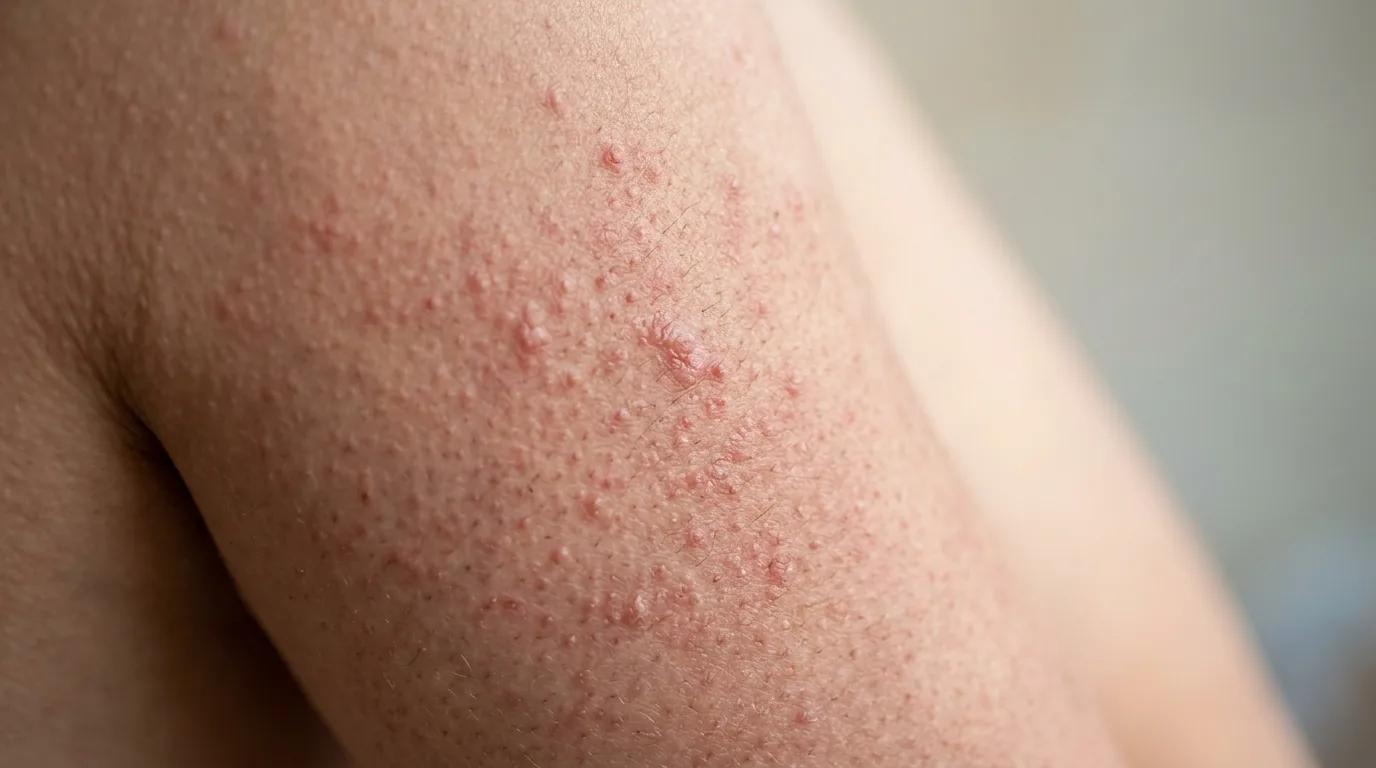
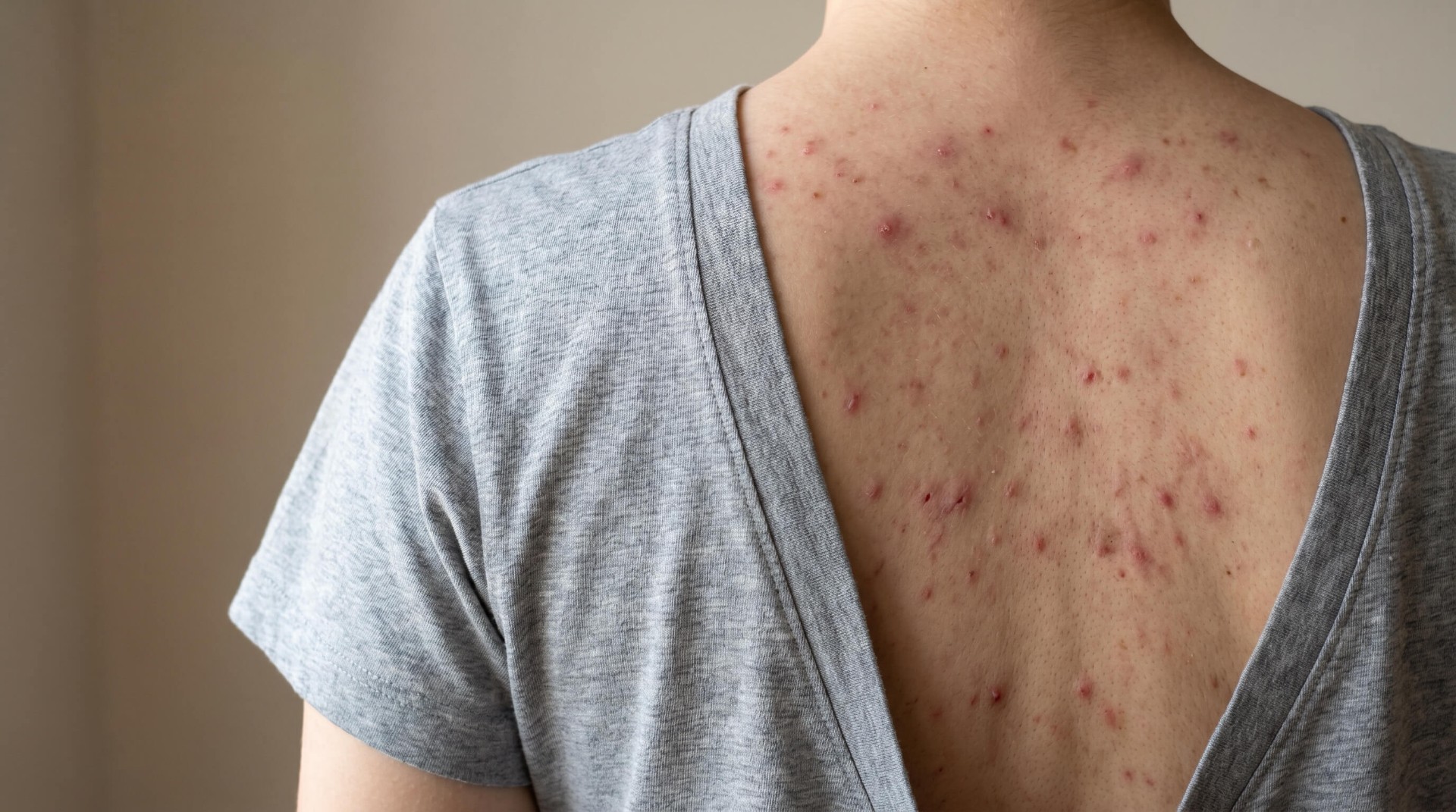
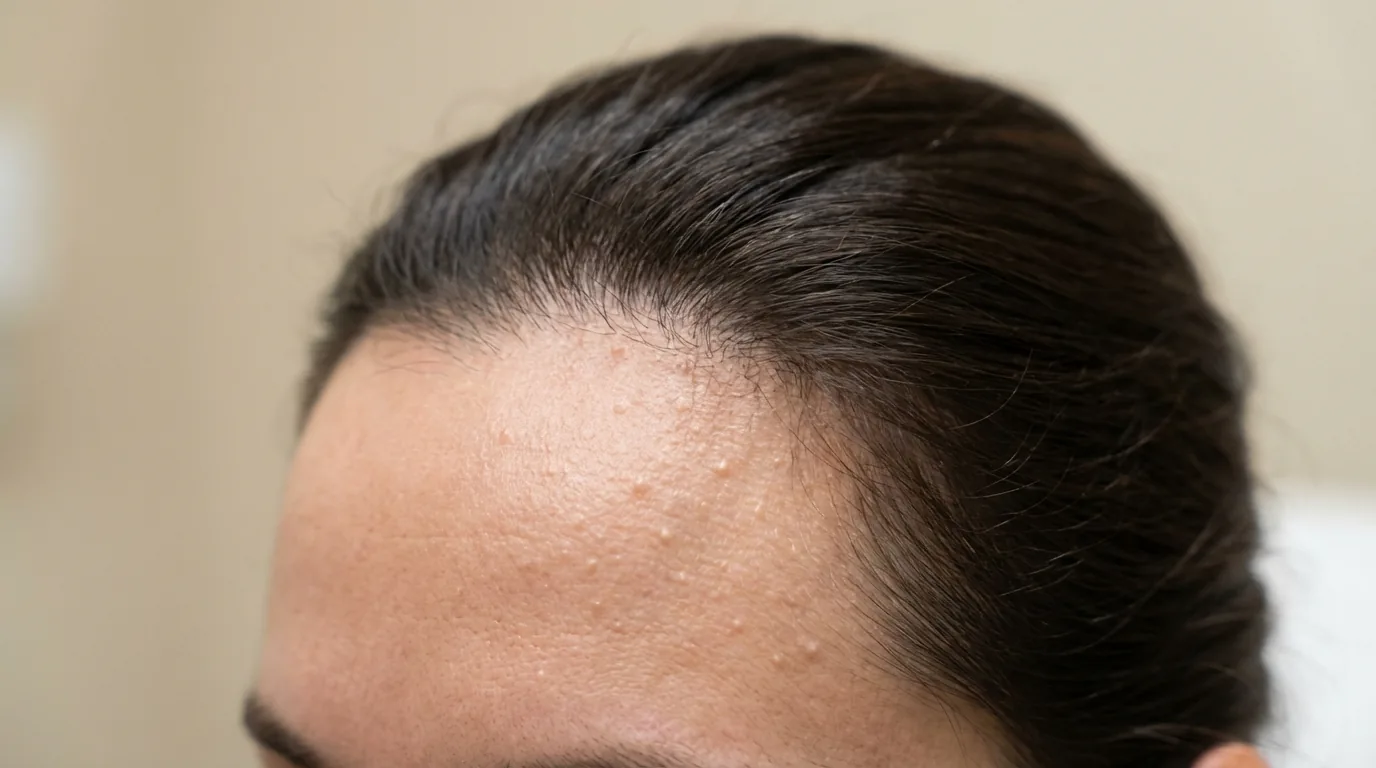
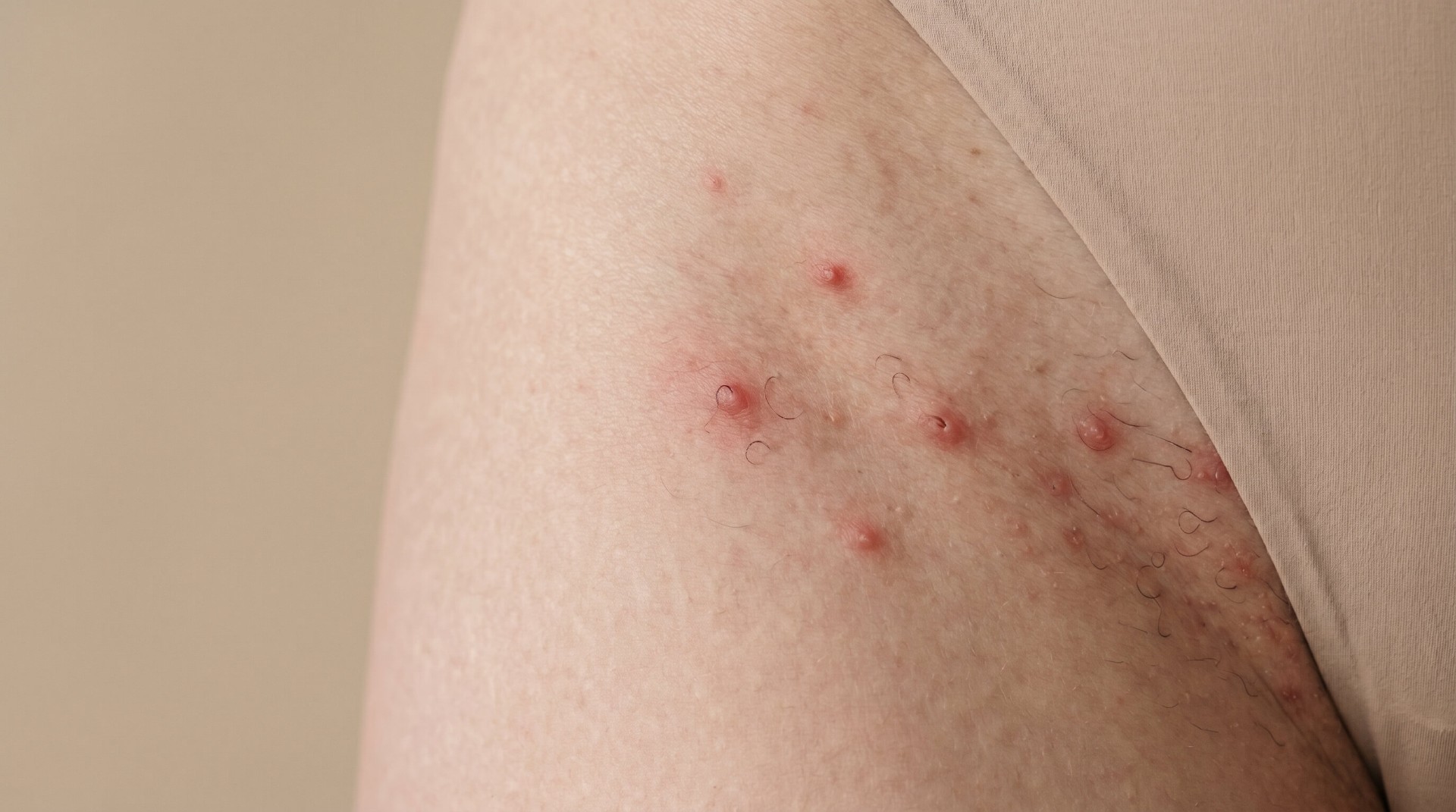
An ingrown hair forms when a hair that should have grown straight out of its follicle either curls back and re-enters the skin (extrafollicular ingrown) or fails to penetrate the skin surface at all and grows sideways trapped beneath it (transfollicular ingrown). Either way, the skin recognizes the hair as a foreign body and mounts an inflammatory response — redness, swelling, sometimes pus, often pain.
Hair shape is the biggest predictor. Naturally curly or coiled hair has a built-in tendency to curve back toward the skin as it grows, especially after the sharp angled cut of a razor. This is why the medical term for chronic ingrown hairs in the beard area — pseudofolliculitis barbae — is most commonly diagnosed in Black men, whose hair texture creates anatomical predisposition. But ingrown hairs can happen to anyone, anywhere hair grows.
The most common locations are the beard area (men), the bikini line and underarms (women), and the legs of anyone who shaves regularly. Less commonly, they show up on the chest, back, and buttocks. The common factor is hair removal — the trauma and shape of the cut hair tip is what creates the conditions for the ingrown.
Why Tweezing and Squeezing Make Things Worse
The instinct to dig out an ingrown hair with tweezers or a needle is universal and almost always counterproductive. Even with sterile tools, the procedure traumatizes surrounding tissue, drives bacteria deeper, and dramatically increases the risk of post-inflammatory hyperpigmentation that can persist for months. In darker skin tones, this pigmentation can be the most visible long-term consequence — far more noticeable than the original bump.
The same goes for squeezing inflamed ingrown hair bumps. They're not whiteheads with a discrete pus pocket waiting to be expressed; they're inflammatory reactions to a deeply embedded hair. Squeezing rarely produces the satisfying release of a normal pimple and usually just spreads inflammation laterally and pushes the hair deeper.
If a hair is clearly visible at the surface and easy to lift out gently with the tip of a sterile needle, that's reasonable. If it requires significant digging, leave it alone. Apply a warm compress for 10 minutes twice daily and let the hair work its way out naturally over the following days while continuing surface treatment.
Chemical Exfoliation: The Cornerstone of Treatment
Chemical exfoliation is the most effective long-term strategy for both prevention and treatment of ingrown hairs. By thinning the stratum corneum and dissolving the keratin plugs that often trap emerging hairs, regular use of salicylic acid or glycolic acid keeps the skin surface clear and gives hairs a clear path out.
Stridex Pads (Maximum Strength) with 2% salicylic acid are the most convenient option for ingrown-prone areas. Used daily on the bikini line, beard, or underarms after shaving, they significantly reduce the rate of new ingrown hairs over 4-6 weeks. The single-step format means you're more likely to actually use them consistently — which is the entire ball game.
CeraVe SA Cream is a richer alternative with 0.5% salicylic acid blended with ceramides. It's particularly useful for body areas like thighs and chest where you need both exfoliation and barrier support, and it's gentle enough to use under occlusive clothing without further irritation. Apply daily to areas prone to ingrown hairs.
Targeted Solutions Worth Trying
Tend Skin Solution is the single most popular targeted product for ingrown hair prevention and has a long track record among waxers and shavers. Its primary active is acetylsalicylic acid (aspirin) dissolved in alcohol and isopropyl myristate. Applied 1-2 times daily after hair removal, it reduces the visible bumps and razor burn that often accompany ingrowns.
It's not a miracle product, and it's not for sensitive skin — the alcohol base is drying and would aggravate broken or freshly waxed skin. Wait at least 24 hours after waxing before applying. For sensitive areas like the bikini line, dilute it 1:1 with water for the first few weeks of use, then increase concentration as tolerance builds.
Pair with a fragrance-free moisturizer to balance the drying effect. Niacinamide-containing moisturizers are particularly useful because they help fade the post-inflammatory hyperpigmentation that often accompanies chronic ingrown hairs and reduce future inflammatory response.
Shaving Technique That Prevents Ingrown Hairs
The simplest intervention is also the most overlooked: change how you shave. Shave with the grain of hair growth, not against it, even though against-the-grain shaving feels closer. The closer the shave, the more likely the hair tip retracts below the skin surface and curls back as it regrows. A slightly longer shave means the hair tip stays above the skin and grows straight out.
Use a single-blade or safety razor instead of multi-blade cartridge razors. The first blade in a multi-blade system pulls the hair upward; the subsequent blades cut it; the hair then retracts below the skin. This is precisely the mechanism that creates ingrowns. Single-blade razors cut at the skin surface without pulling, which dramatically reduces ingrown rates in susceptible people.
Don't pull the skin taut while shaving. The tension creates an even closer shave but produces the same retract-and-curl problem. Shave with relaxed skin, in short strokes, with a sharp blade. Replace blades frequently — a dull blade requires more pressure and more passes, both of which increase trauma. And always shave on damp, prepped skin with a slick lubricant; never dry-shave.
When to See a Professional
If chronic ingrown hairs are causing significant scarring, hyperpigmentation, or persistent infection, see a dermatologist. Prescription options include topical retinoids (tretinoin, adapalene) used on ingrown-prone areas to normalize keratinization, topical or oral antibiotics for secondarily infected lesions, and topical corticosteroids for persistent inflammatory papules.
For severe cases, especially in men with chronic pseudofolliculitis barbae, laser hair removal is the most definitive long-term solution. By destroying the hair follicle, it removes the underlying cause of ingrown hairs entirely. A series of 5-8 sessions on the affected area typically produces 80-90% permanent hair reduction. Diode and Nd:YAG lasers are safer choices for darker skin tones than older alexandrite lasers.
Ingrown hairs that become significantly infected — with spreading redness, warmth, fever, or pus that won't resolve — warrant prompt medical attention. While most ingrown hairs are sterile inflammatory reactions, secondary bacterial infection (folliculitis) does happen and benefits from prescription antibiotic therapy.
References
- Perry PK, Cook-Bolden FE, et al. "Defining pseudofolliculitis barbae in 2001: a review of the literature and current trends." Journal of the American Academy of Dermatology. 2002;46(2 Suppl):S113-119.
- Ogunbiyi A. "Pseudofolliculitis barbae; current treatment options." Clinical, Cosmetic and Investigational Dermatology. 2019;12:241-247.
- Alexis A, et al. "Common dermatologic disorders in skin of color: a comparative practice survey." Cutis. 2007;80(5):387-394.