Ingrown Hairs: Why They Happen and How to Prevent and Treat Them
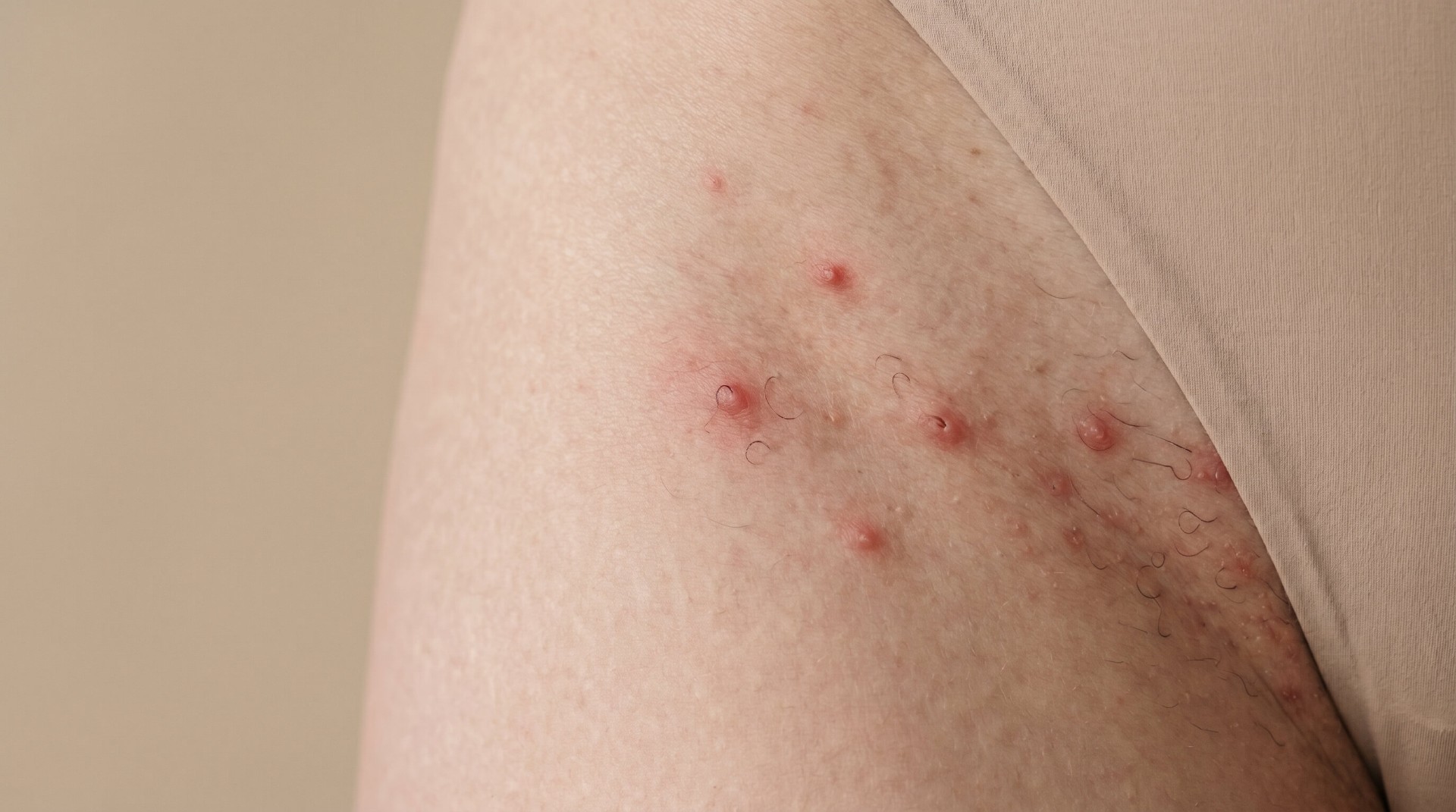
Painful red bumps where you shaved or waxed are usually ingrown hairs — and the way you've been treating them is probably making them worse. Here's the actual playbook.
Browse all evidence-based skincare articles covering ingredients, treatments, and skin concerns.

Painful red bumps where you shaved or waxed are usually ingrown hairs — and the way you've been treating them is probably making them worse. Here's the actual playbook.

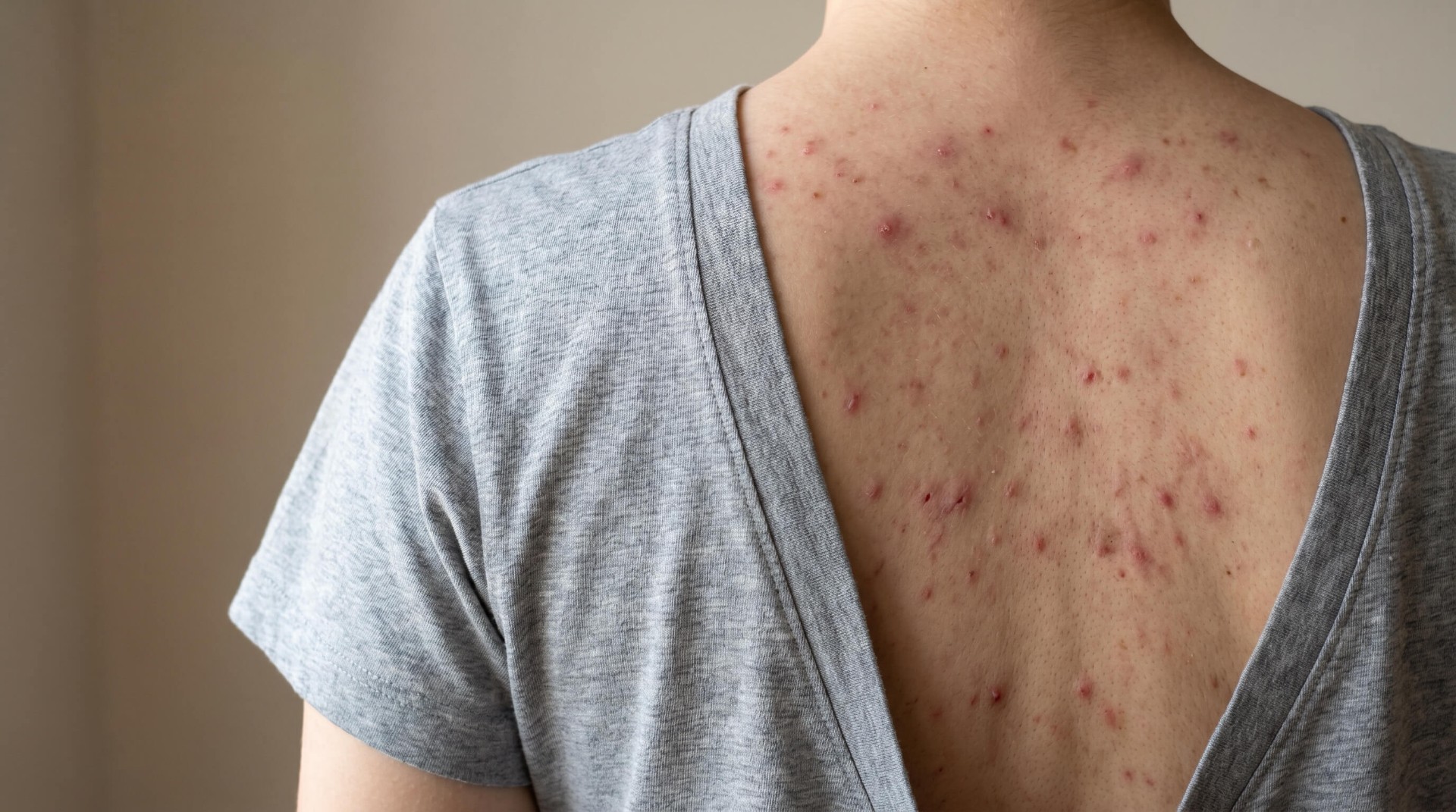
Back and chest acne is more stubborn, more inflammatory, and more often caused by friction, sweat, and Malassezia than your face acne ever is. Treating it like facial acne is why nothing has worked.

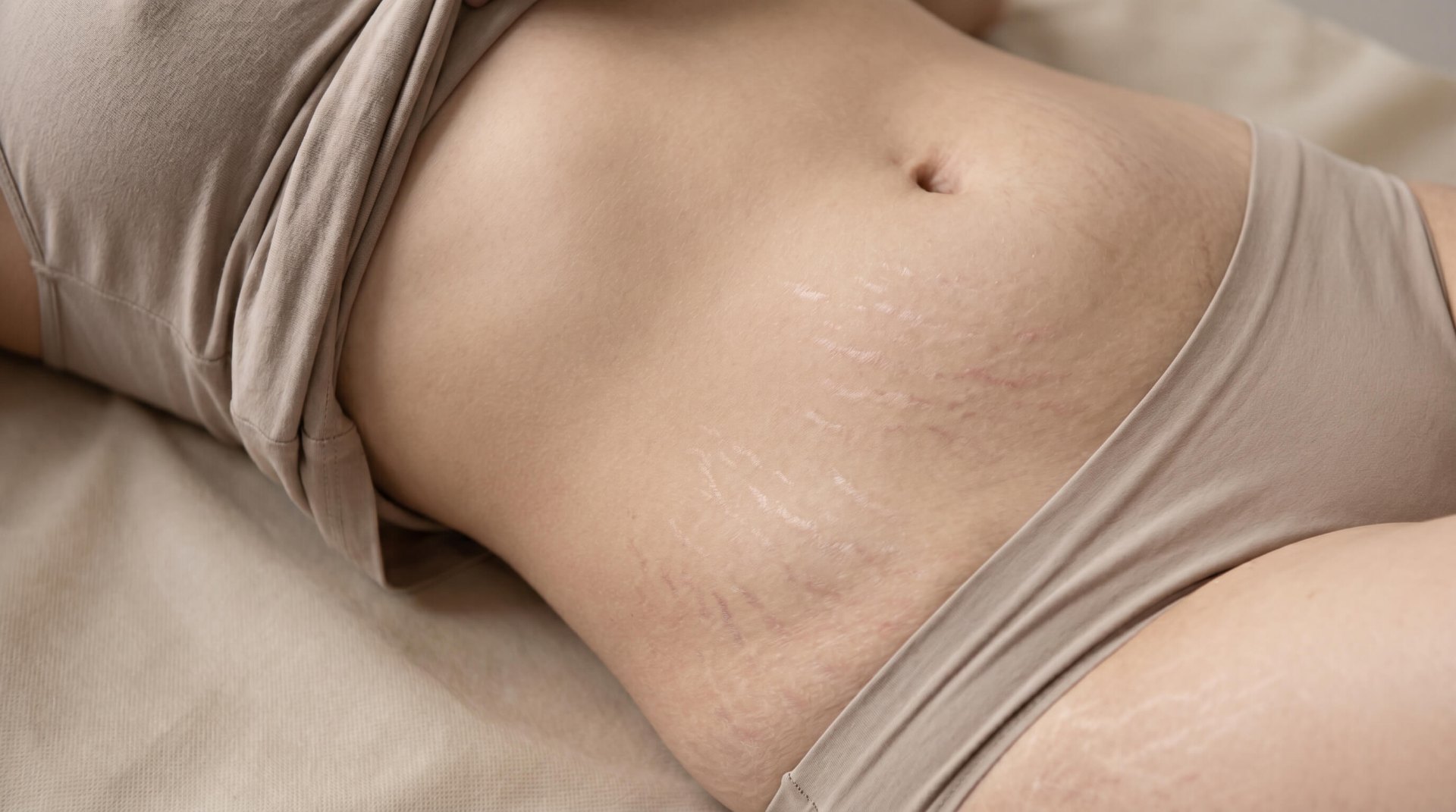
Stretch marks aren't just cosmetic surface lines — they're real scars formed in the deeper dermis. Understanding what they actually are explains why most products do nothing and which treatments truly help.

Not every skin reaction is a 'purge.' Sometimes your skincare is genuinely hurting you — and continuing to use the offending product can turn a brief flare into a months-long problem.

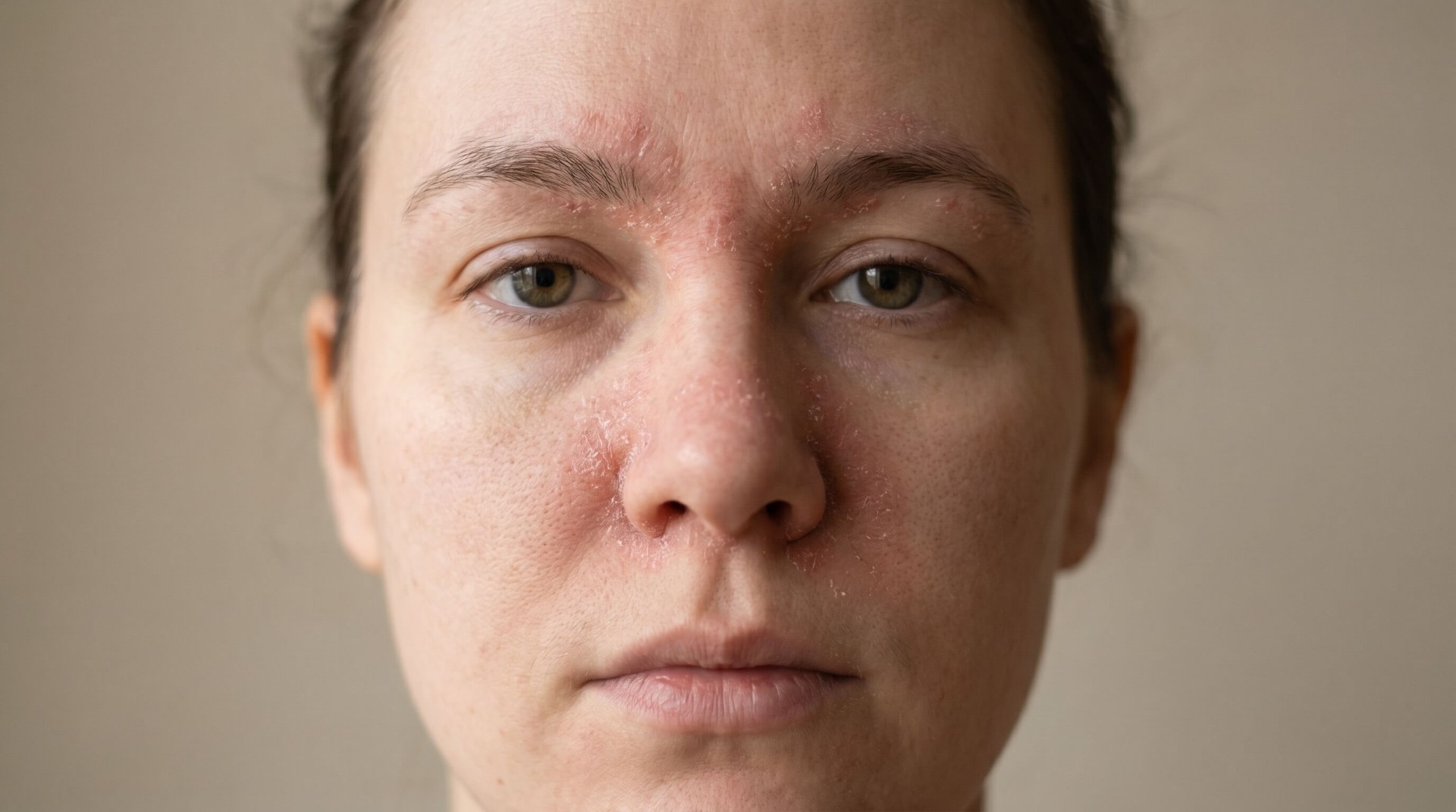
Persistent redness and flaking on your nose, brows, or scalp that gets worse with acne products is almost never acne. It's usually seborrheic dermatitis — and it needs an entirely different approach.

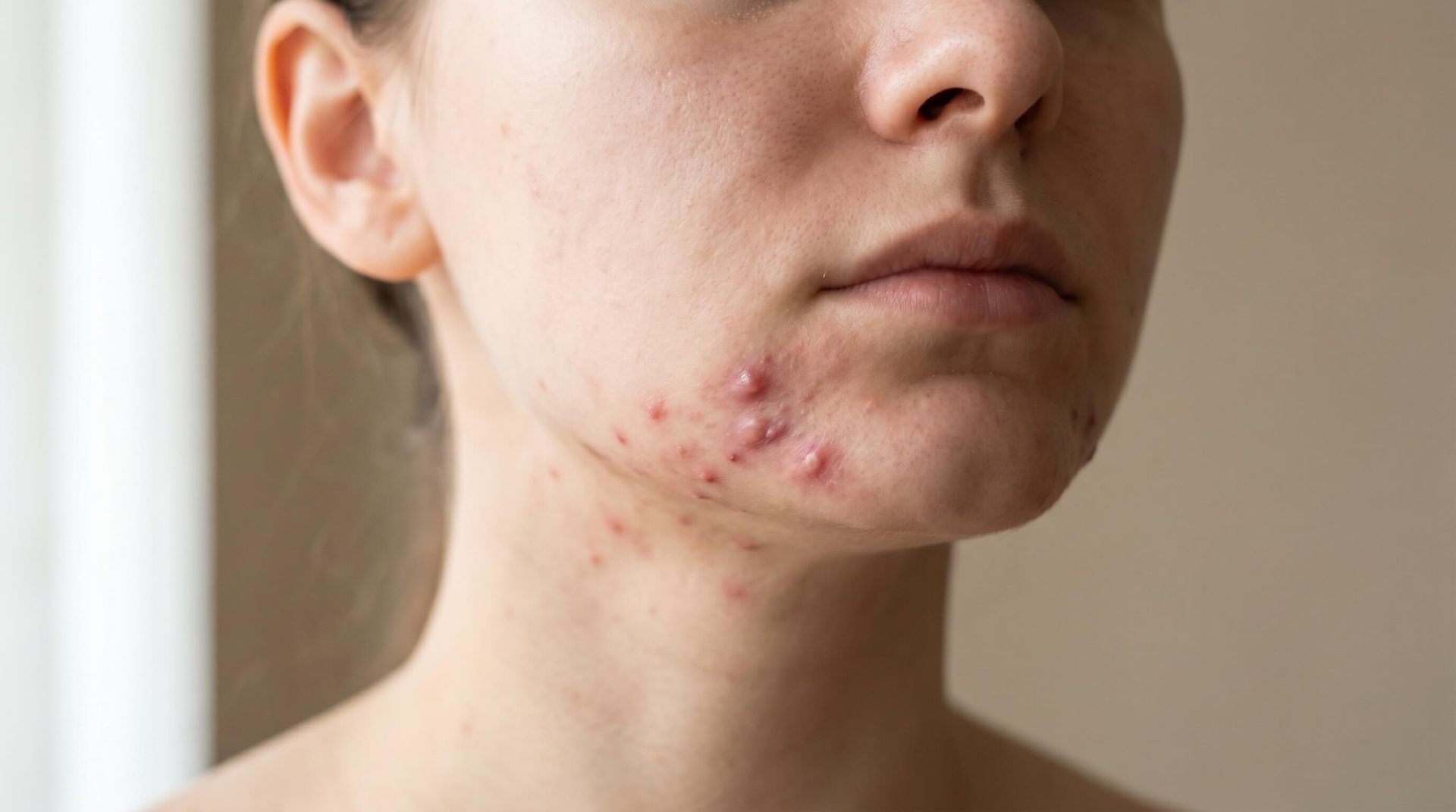
If your breakouts cluster on your jawline, flare a week before your period, and shrug off every spot treatment you try, you're not dealing with regular acne. You're dealing with hormones.

Dry and dehydrated sound like the same thing, but they're entirely different problems with entirely different solutions. Mixing them up is one of the most common reasons routines stop working.

Tiny, hard, pearl-white bumps that won't budge no matter how hard you press. Milia are not pimples, and treating them like acne is a fast way to make them worse.

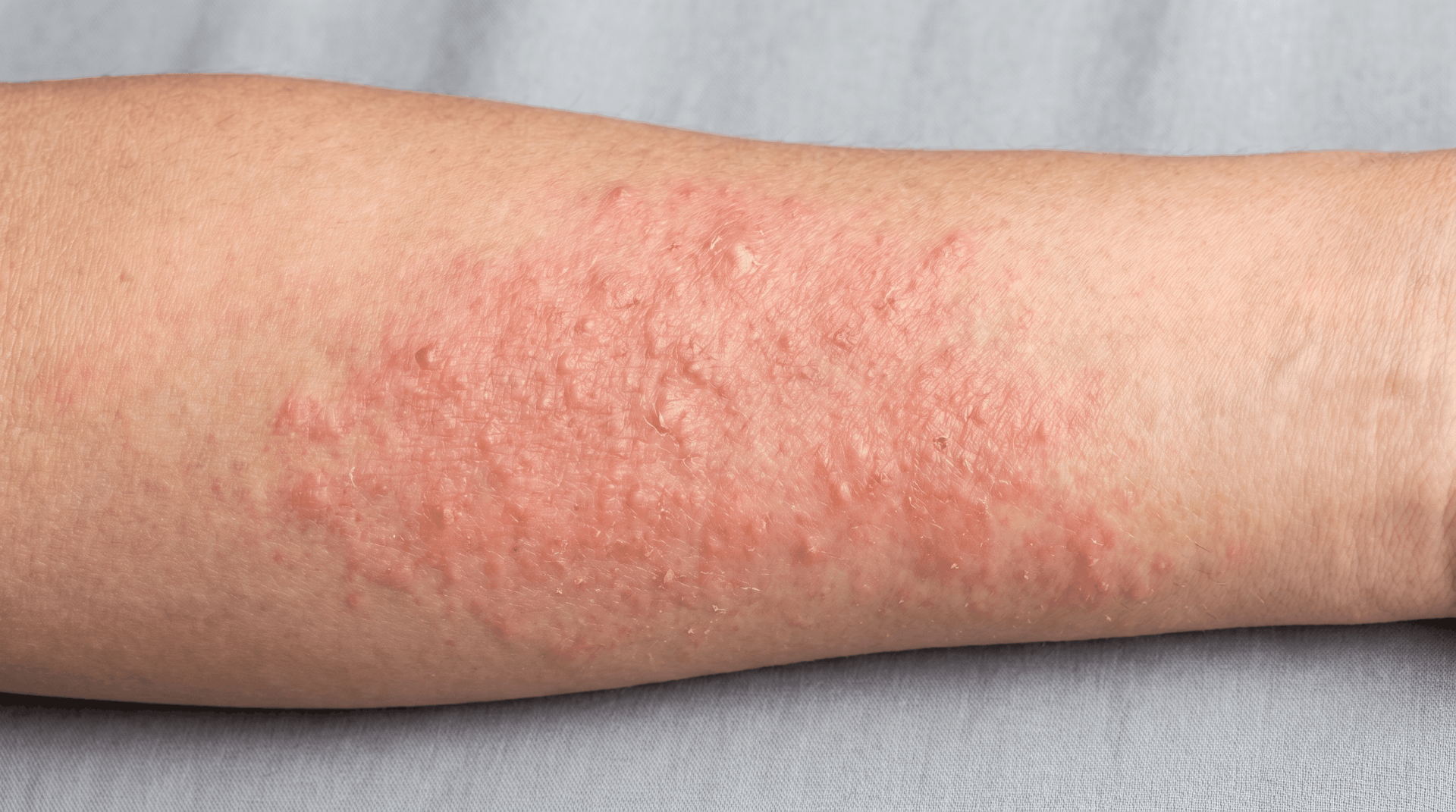
Those red, scaly patches on your skin — are they eczema or psoriasis? The distinction is critical because the conditions have different causes, different triggers, and different treatments.
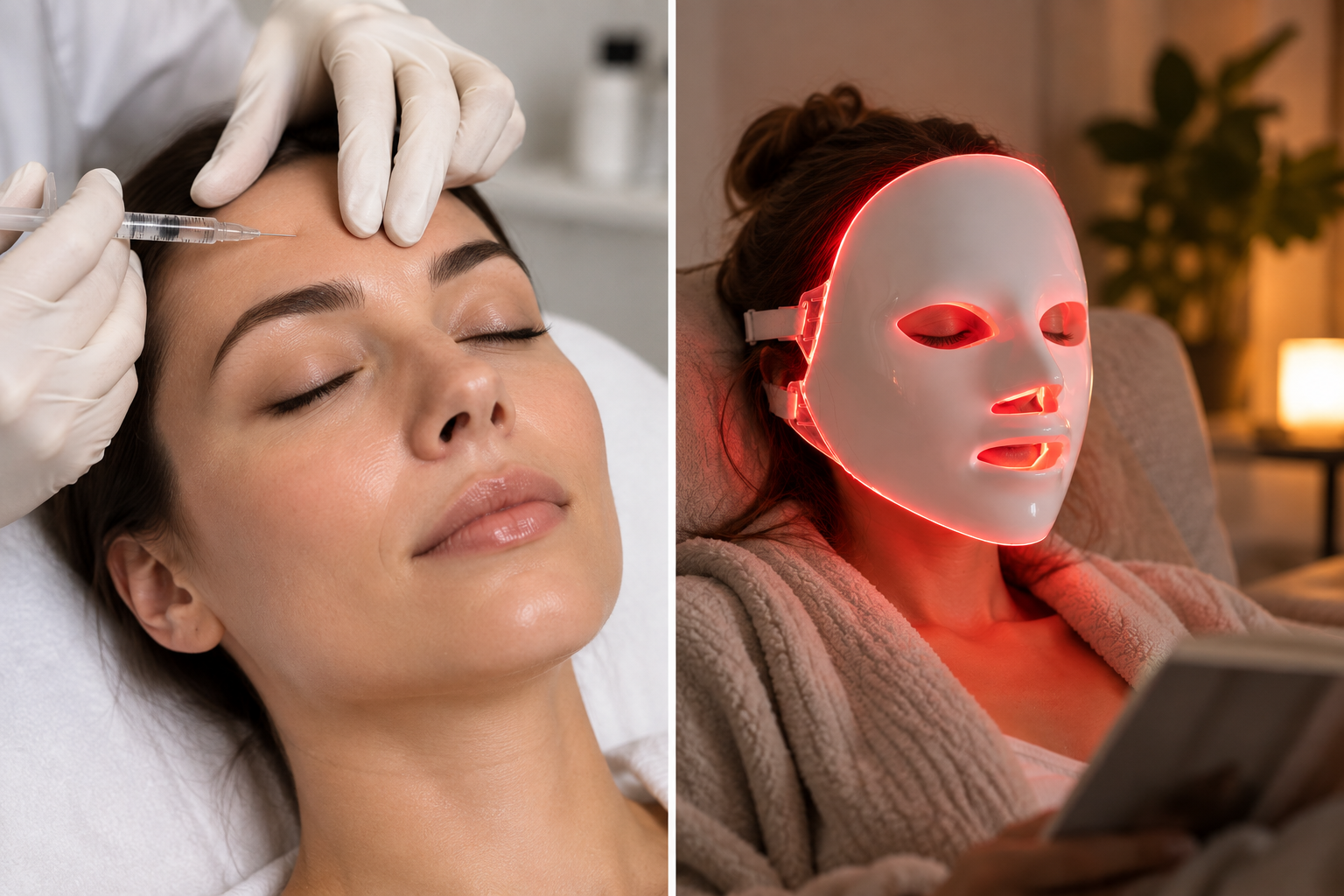
Face yoga promises a natural alternative to Botox and fillers. But can facial exercises actually combat aging, or do they just give you new wrinkles? Here's what the evidence says.

Jade rollers went viral, rose quartz followed, and now there's metal, ice, and everything in between. Here's what the research actually says about facial rolling.
Eczema isn't just dry skin — it's a complex inflammatory condition driven by genetics, immune dysfunction, and barrier defects. Here's what the science actually says about managing it.

Facial massage feels wonderful — but does it actually do anything beyond relaxation? Here's what the research says about depuffing, lymphatic drainage, and those anti-aging claims.

Gua sha has become a skincare staple — but the claims range from plausible to wildly exaggerated. Here's what the actual evidence says about this ancient technique.

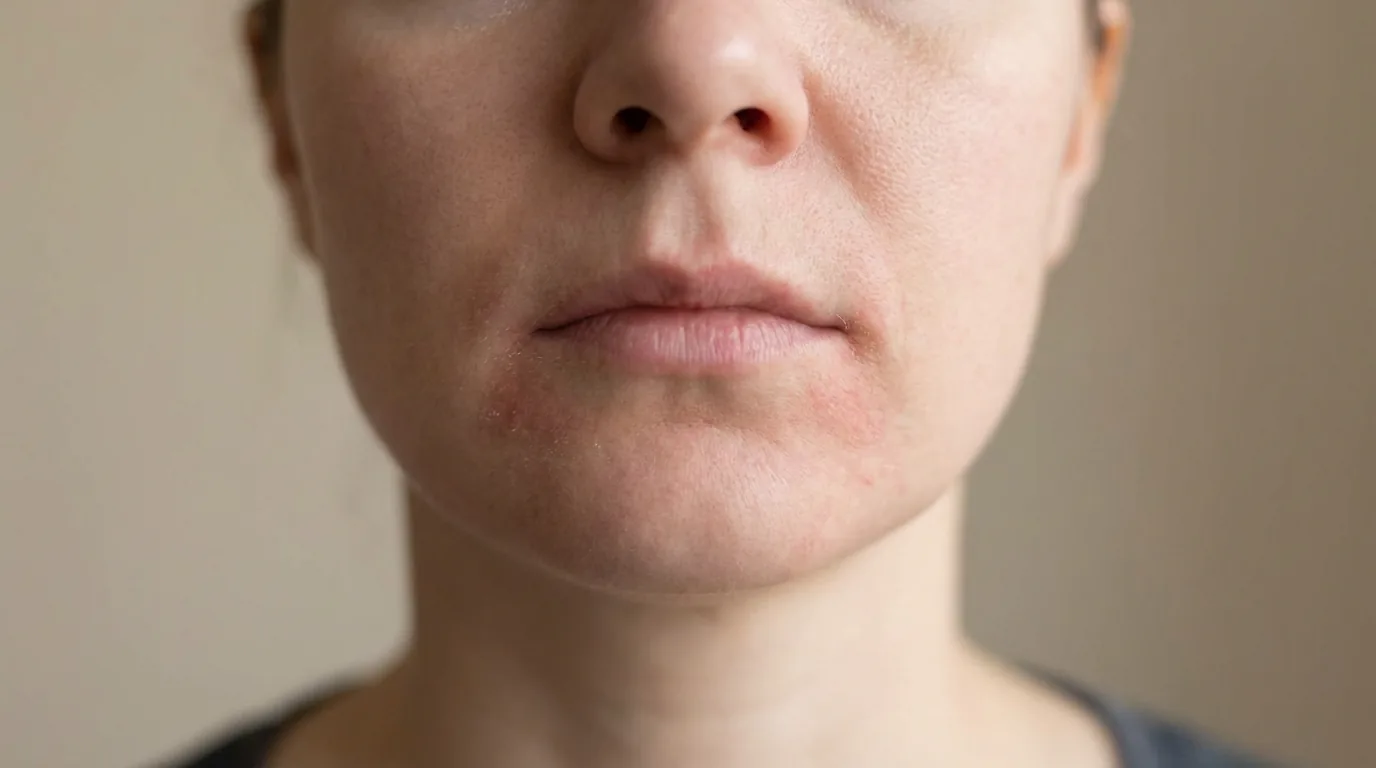
That stubborn, bumpy rash around your mouth that won't respond to anything you throw at it? It might be perioral dermatitis — and treating it requires doing the opposite of what you'd expect.
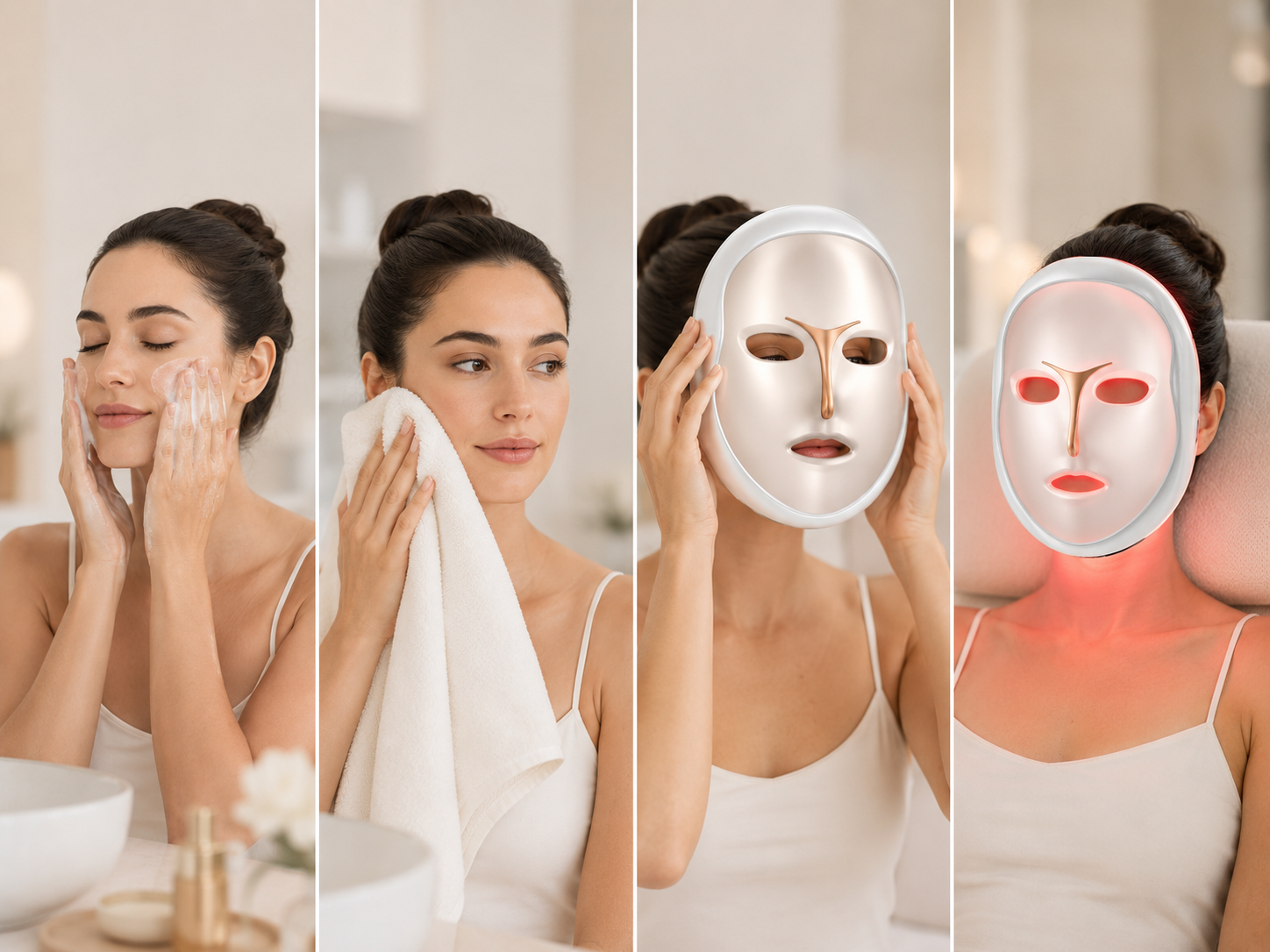
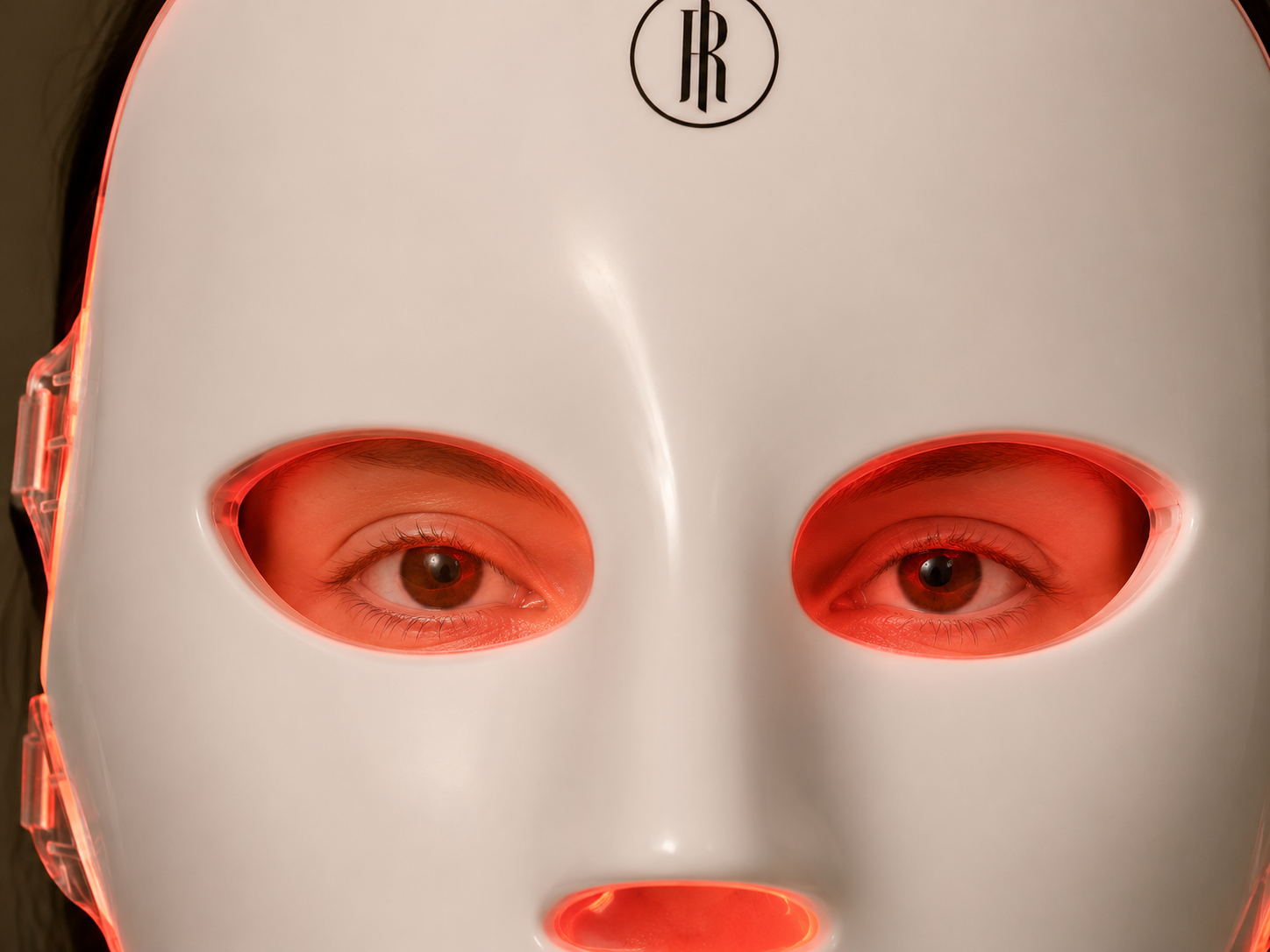
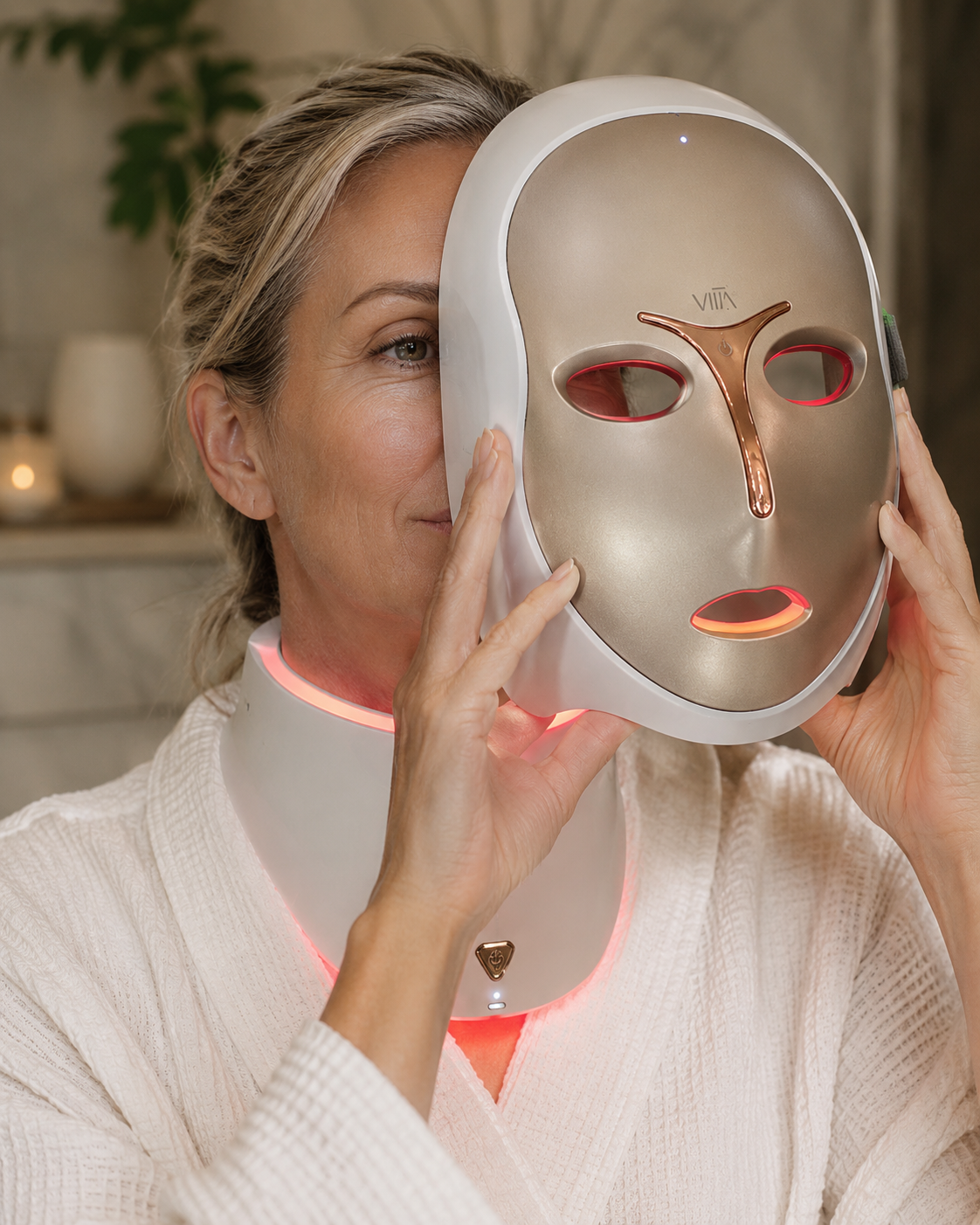
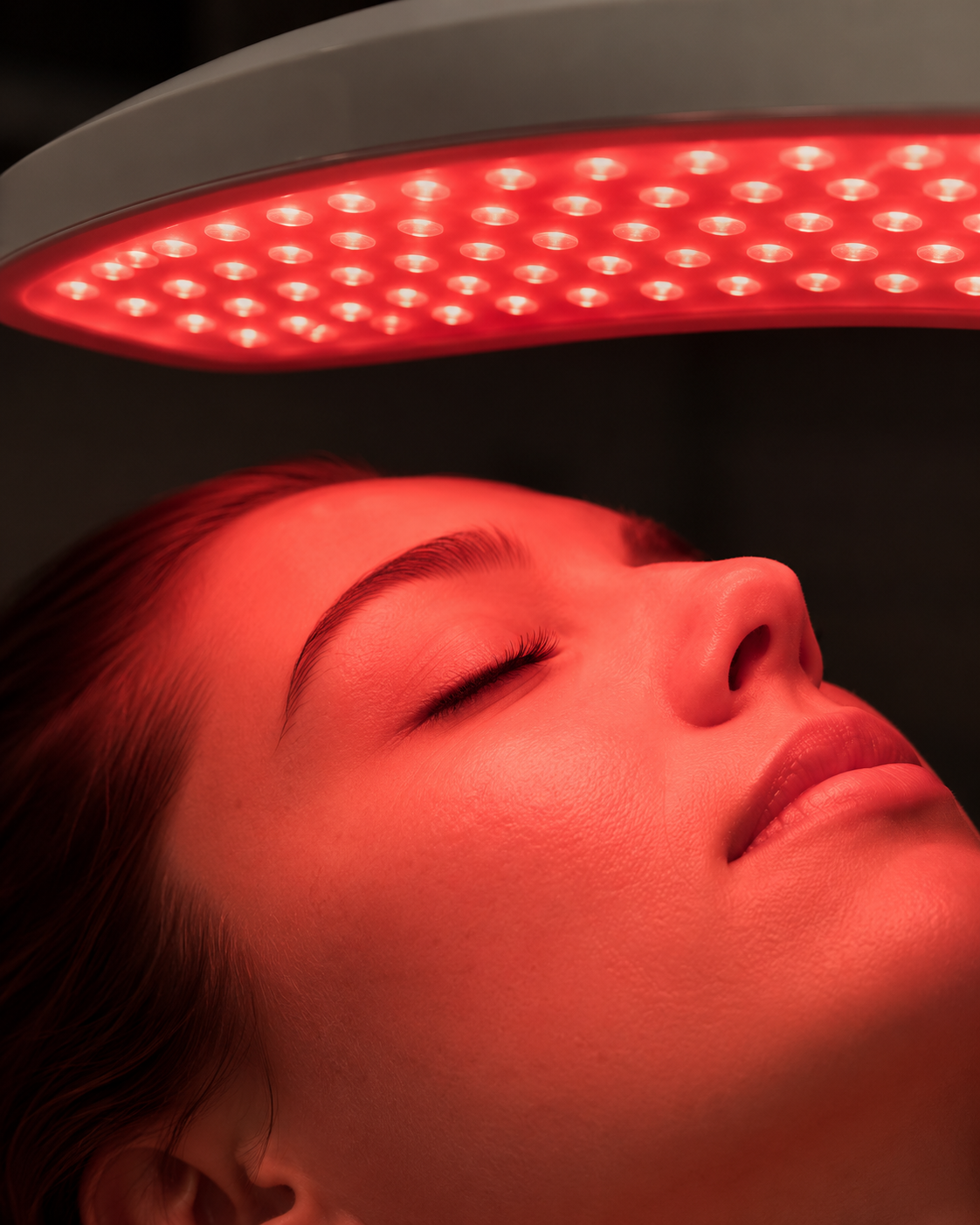
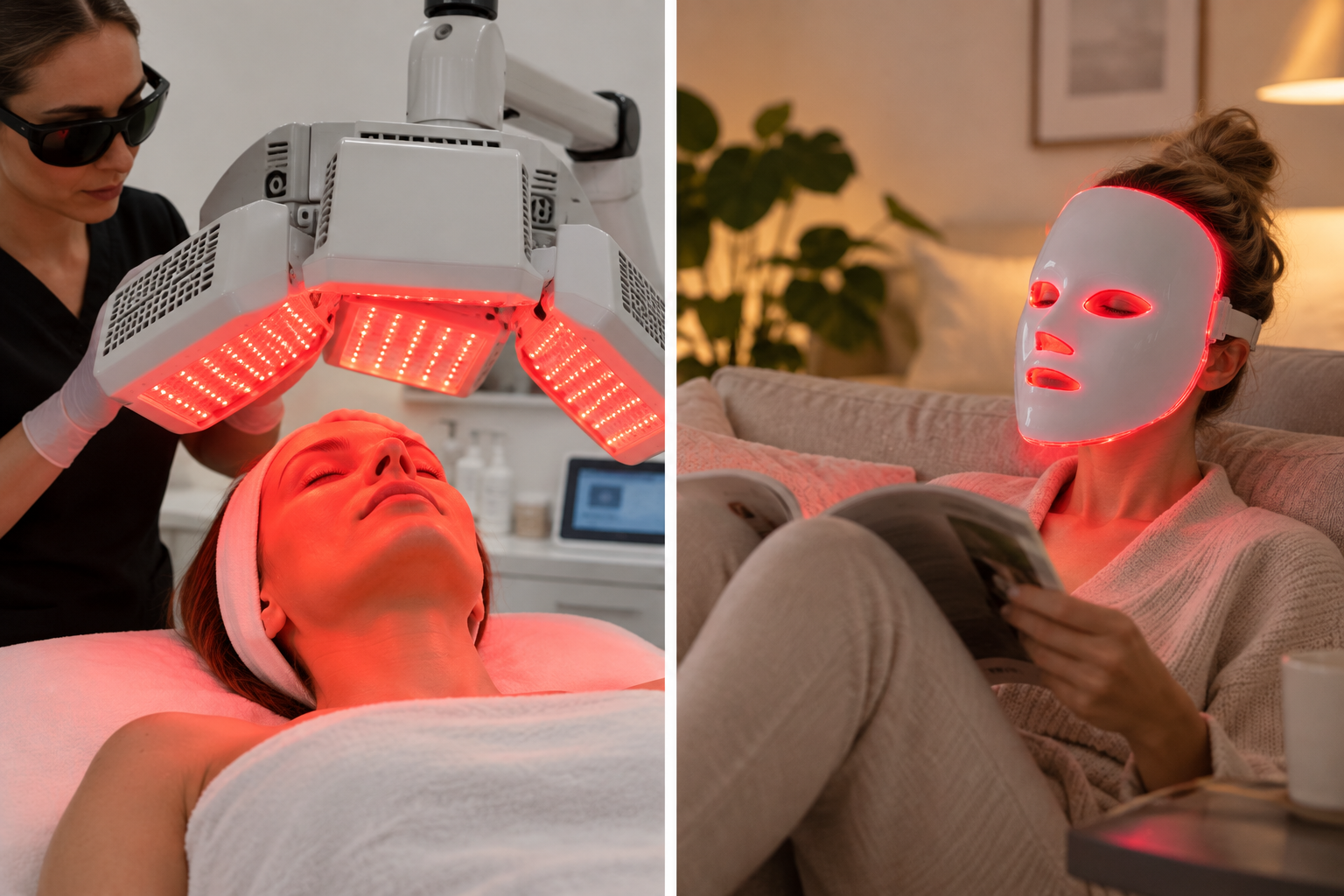
Red light therapy has gone from niche biohacking trend to mainstream anti-aging treatment. But what does the dermatological evidence actually support?

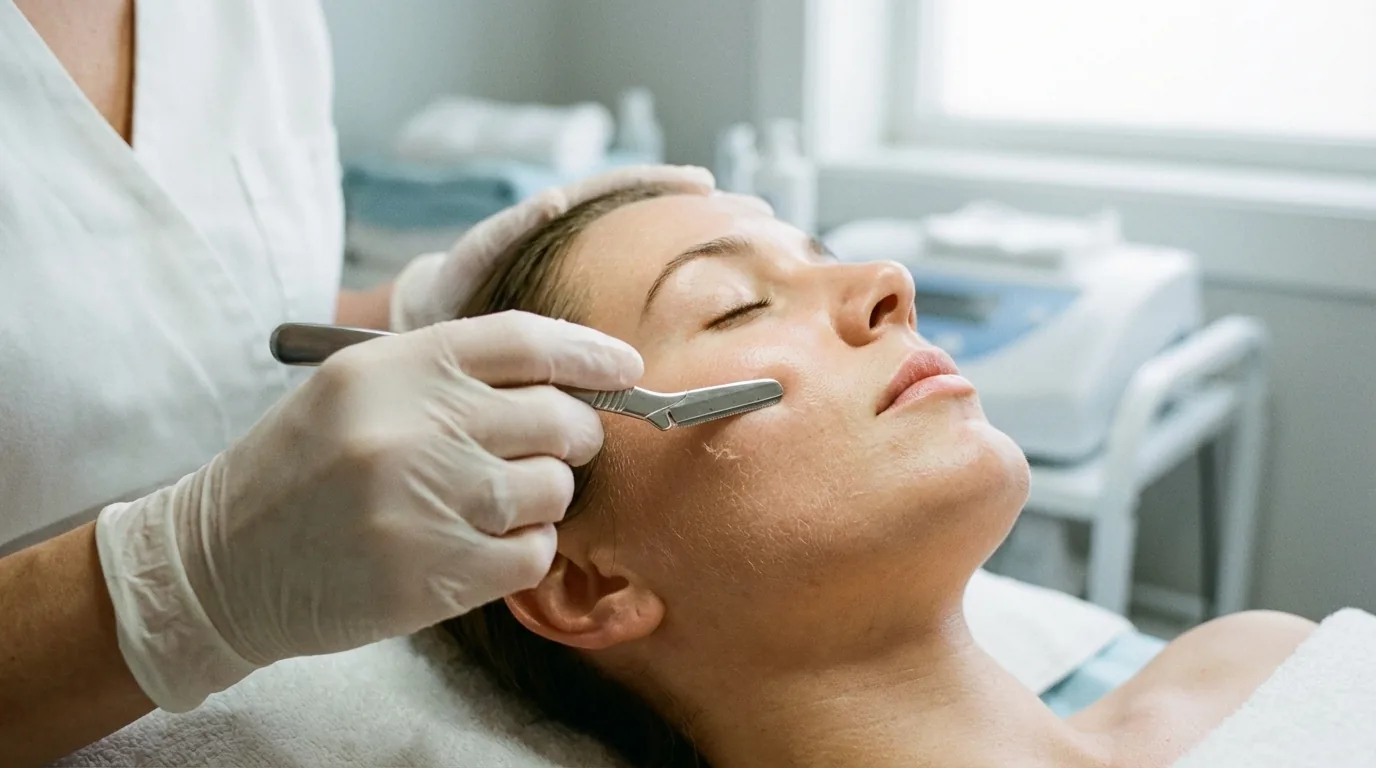
At-home dermaplaning is everywhere on social media — but the technique carries real risks that influencers rarely mention. Here's the unfiltered truth.

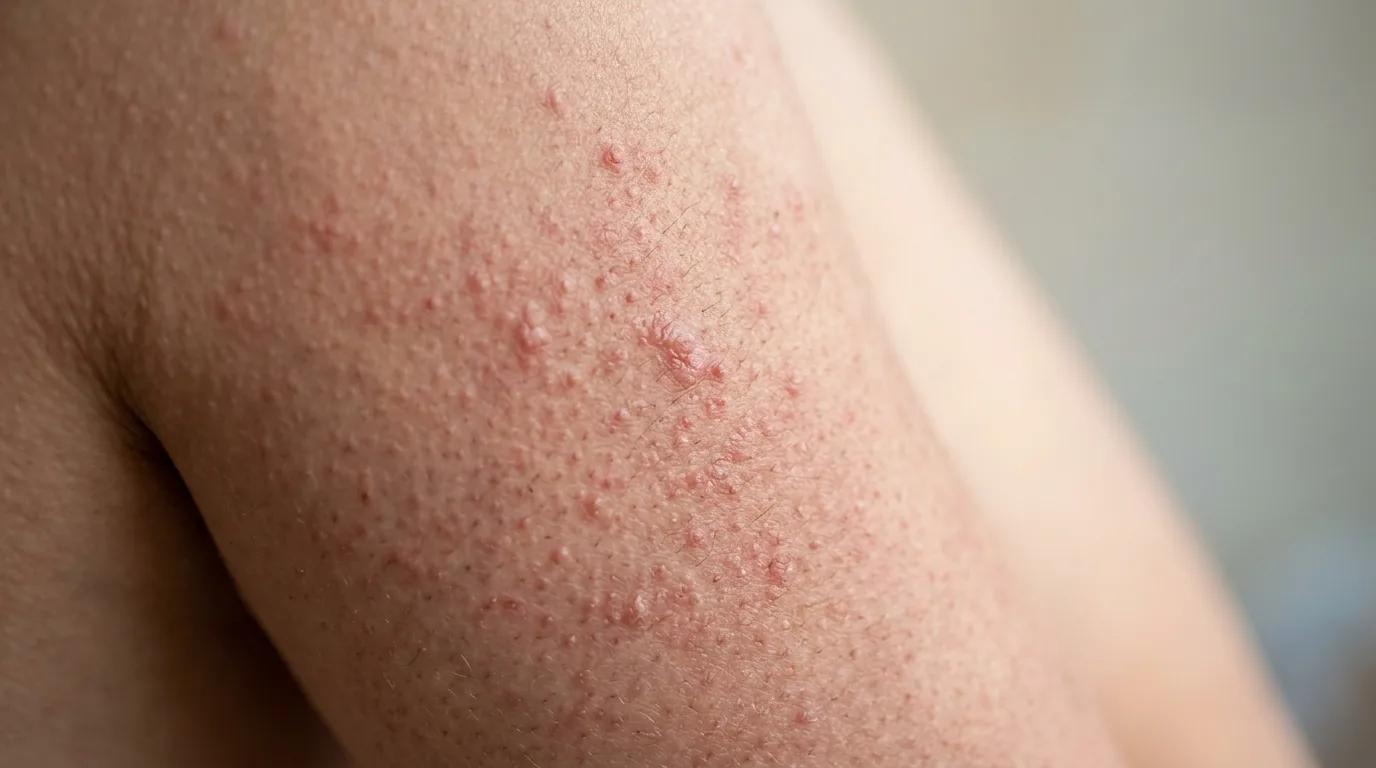
Those tiny, rough bumps on your upper arms that never seem to go away? That's keratosis pilaris — and while it's completely harmless, there are effective ways to smooth it out.

The collagen industry is worth billions, but which at-home treatments actually stimulate collagen production? We reviewed the clinical evidence for all of them.

RF microneedling promises supercharged collagen remodeling — but at double the price. Here's whether the radiofrequency upgrade delivers proportionally better results.

People use 'hyperpigmentation' and 'age spots' interchangeably, but they're not the same thing. Understanding the difference determines which treatment will work.

Professional facials range from glorified spa relaxation to clinically meaningful skin treatments. Here's how to tell the difference and decide if they're worth your money.

If your acne doesn't respond to benzoyl peroxide, retinoids, or antibiotics, you might be treating the wrong condition entirely. Fungal acne requires a fundamentally different approach.

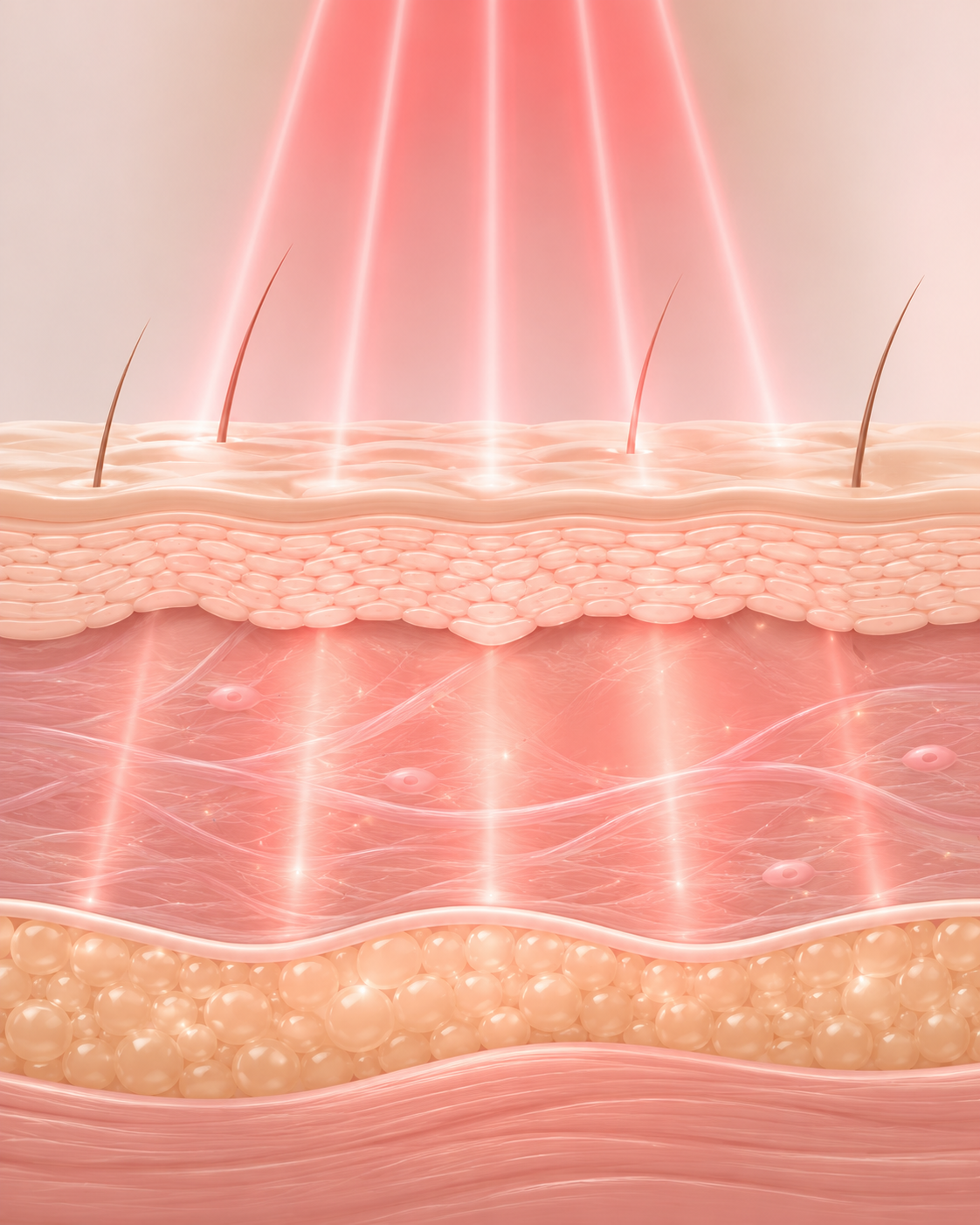
How photobiomodulation actually works, which wavelengths matter for skin and deeper tissue, and how to evaluate a panel before you buy.

Forehead lines are among the most common aging concerns. Here's what's causing yours and which treatments — from at-home to professional — actually work.
Both exfoliate, both promise smoother skin — but microdermabrasion and chemical peels work through fundamentally different mechanisms. Here's how to choose.
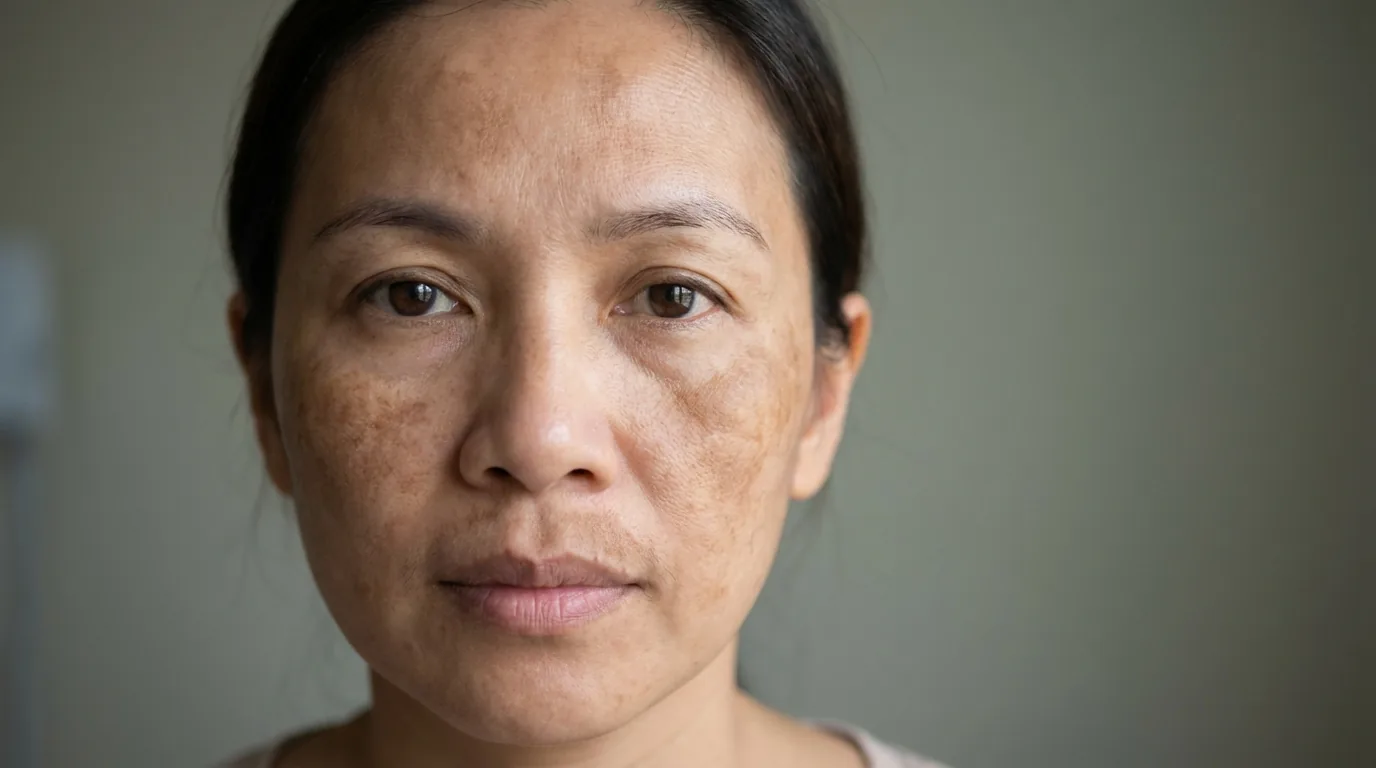
That symmetrical brown discoloration on your cheeks isn't typical hyperpigmentation — it's melasma, and treating it requires a completely different approach than treating dark spots from acne.

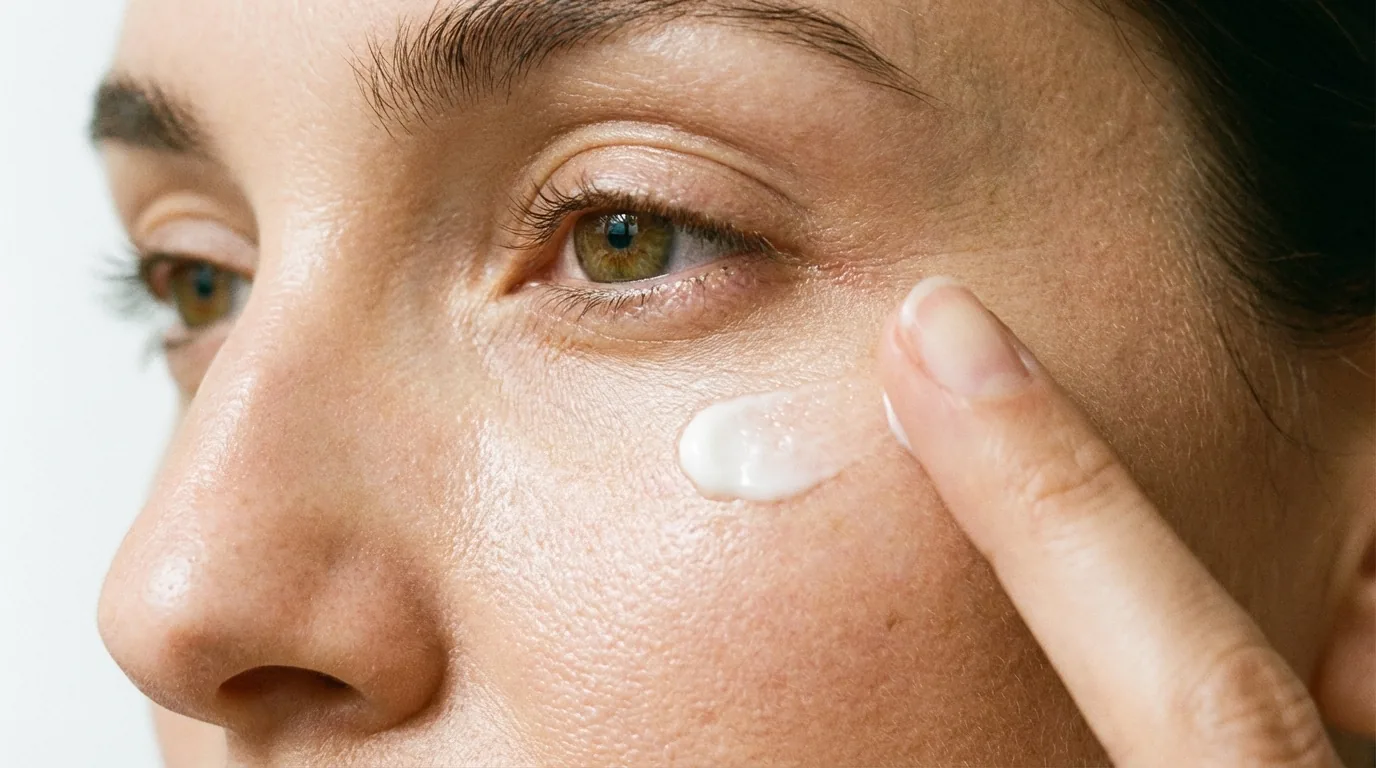
Eye creams are one of the most debated products in skincare. Are they a necessary investment or expensive marketing? The answer is more nuanced than you'd think.

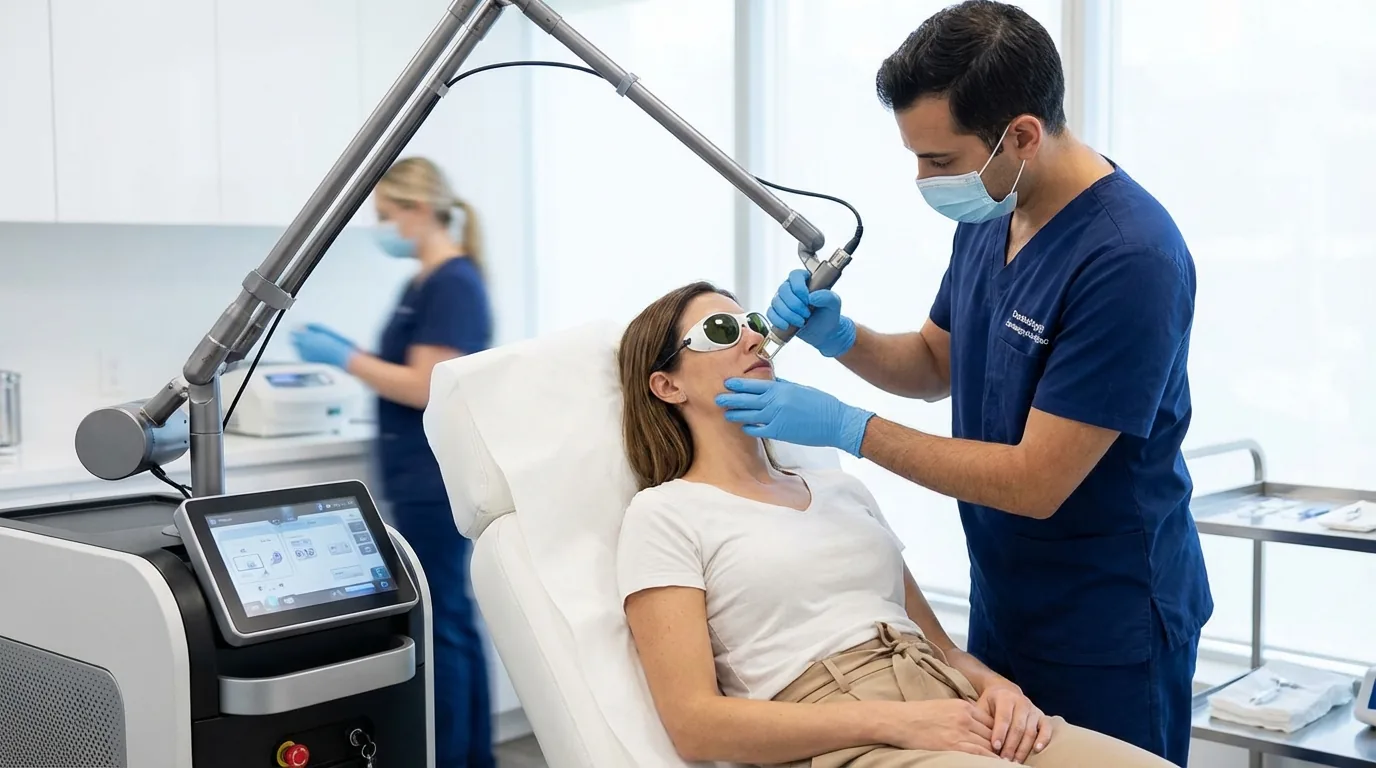
Laser resurfacing promises dramatic skin renewal — but the reality is nuanced. Here's what actually happens to your skin, who should consider it, and what to expect.
Retinol is the most evidence-backed anti-aging ingredient available over the counter. Here's exactly how to start using it without destroying your skin in the process.

Not all reactive skin is 'sensitive.' Most people with irritated, stinging, red skin have sensitized their skin through products or habits — and that's actually good news, because it's reversible.

Collagen loss is the single biggest driver of visible skin aging. Understanding how it works is the first step toward slowing it down effectively.
Your skin is the largest organ in your body, and it responds to stress in measurable, physiological ways. Here's the science behind stress breakouts — and what actually helps.

Sun damage is cumulative and often doesn't become visible until years after the exposure. Here's how to address existing damage and prevent more from forming.
Not all wrinkles are created equal. Understanding whether you're dealing with fine lines or deep wrinkles determines which treatments will actually work.
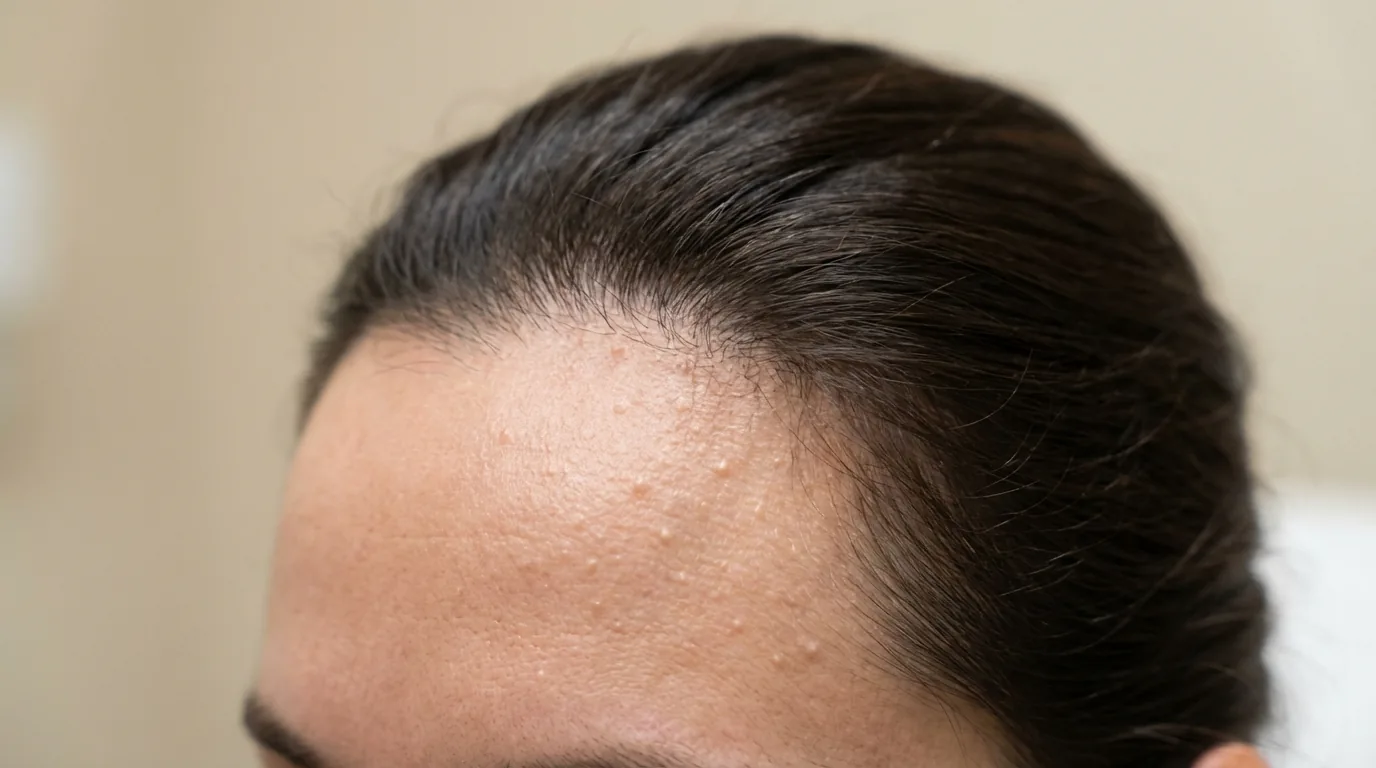
Those tiny, flesh-colored bumps that refuse to come to a head? They're closed comedones — and they require a completely different treatment strategy than inflammatory acne.

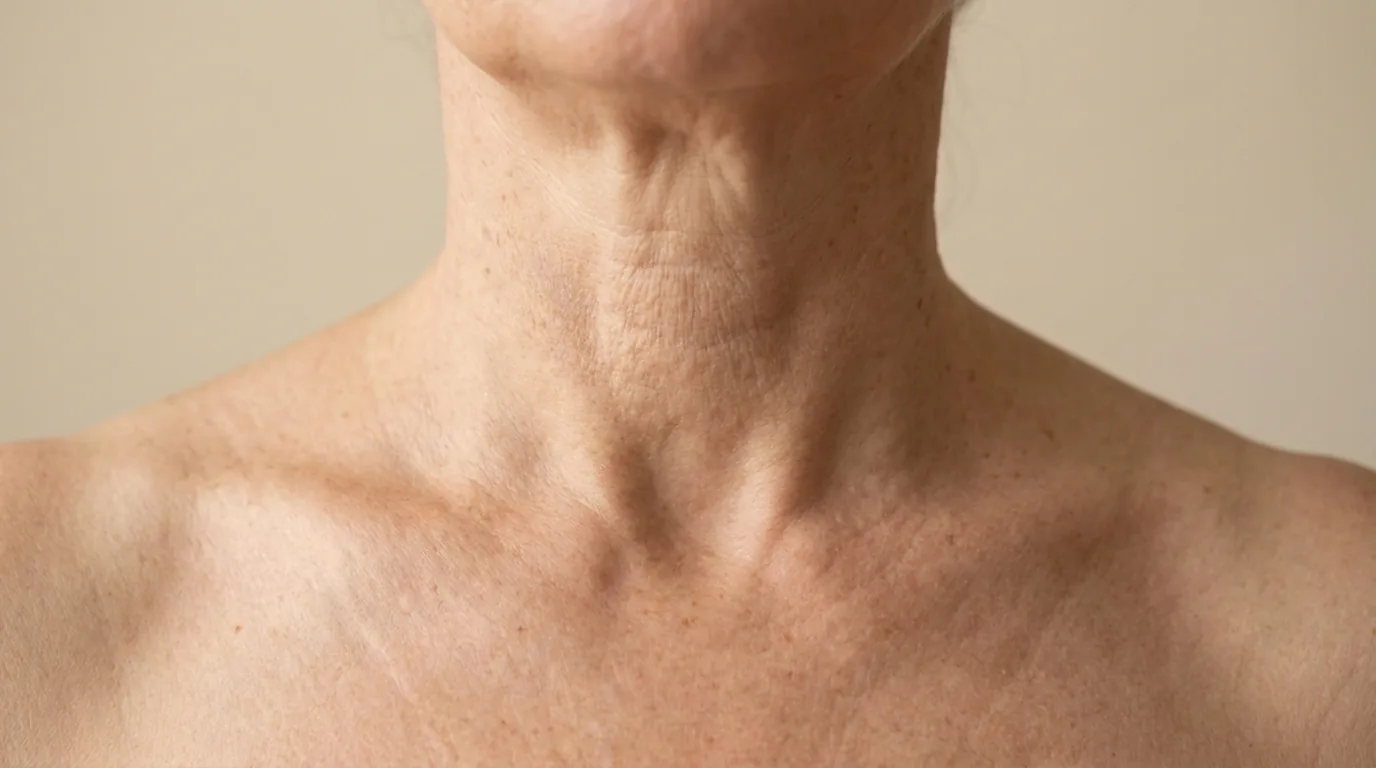
Most people invest heavily in their facial skincare routine but completely neglect the neck and chest — two areas that often show aging first.

Crow's feet are among the first visible signs of aging. Here's what the research says about preventing and treating these periorbital lines effectively.
Sunscreen isn't a skincare nice-to-have. It's the single most effective anti-aging and cancer-prevention tool available. Here's the science of what happens without it.
Starting around age 30, your skin produces roughly 1% less collagen each year. Here's what's really happening beneath the surface — and what you can do about it.
It sounds counterintuitive, but skipping moisturizer can actually make oily skin worse. Here's the physiological explanation — and what to do about it.
These two terms are used interchangeably, but they sit at very different points on the potency spectrum. Here's why the distinction matters for your skin.
Exfoliation is the most over-done step in modern skincare. Here's how to recognize when you've crossed the line — and how to get back.
Higher concentration doesn't mean faster results. Here's the evidence-based guide to choosing the right retinol strength for your first time.
The skin cell cycle takes 28 days minimum. Here's why most skincare ingredients need weeks to months — and which ones work faster.
The order you apply your skincare products matters as much as the products themselves. Here's the evidence-based guide to layering correctly.
That new serum broke you out — but is it purging or a reaction? The distinction matters, and only certain categories of ingredients can cause a true purge.
The internet insists these two ingredients don't mix. The science says otherwise. Here's why you can — and probably should — use niacinamide and vitamin C together.

Botox and fillers are the two most popular non-surgical cosmetic treatments in the world. But they work completely differently — and misusing either one can backfire.
Eye creams promising to eliminate dark circles sell billions annually. But the truth is more nuanced — the first step is identifying what type you actually have.
You started a new retinoid and your skin looks worse than ever. Is it purging or a bad reaction? Understanding the difference can save your skin.
Peptides are everywhere in skincare marketing, but the evidence is more nuanced than the product claims suggest. Let's break it down.
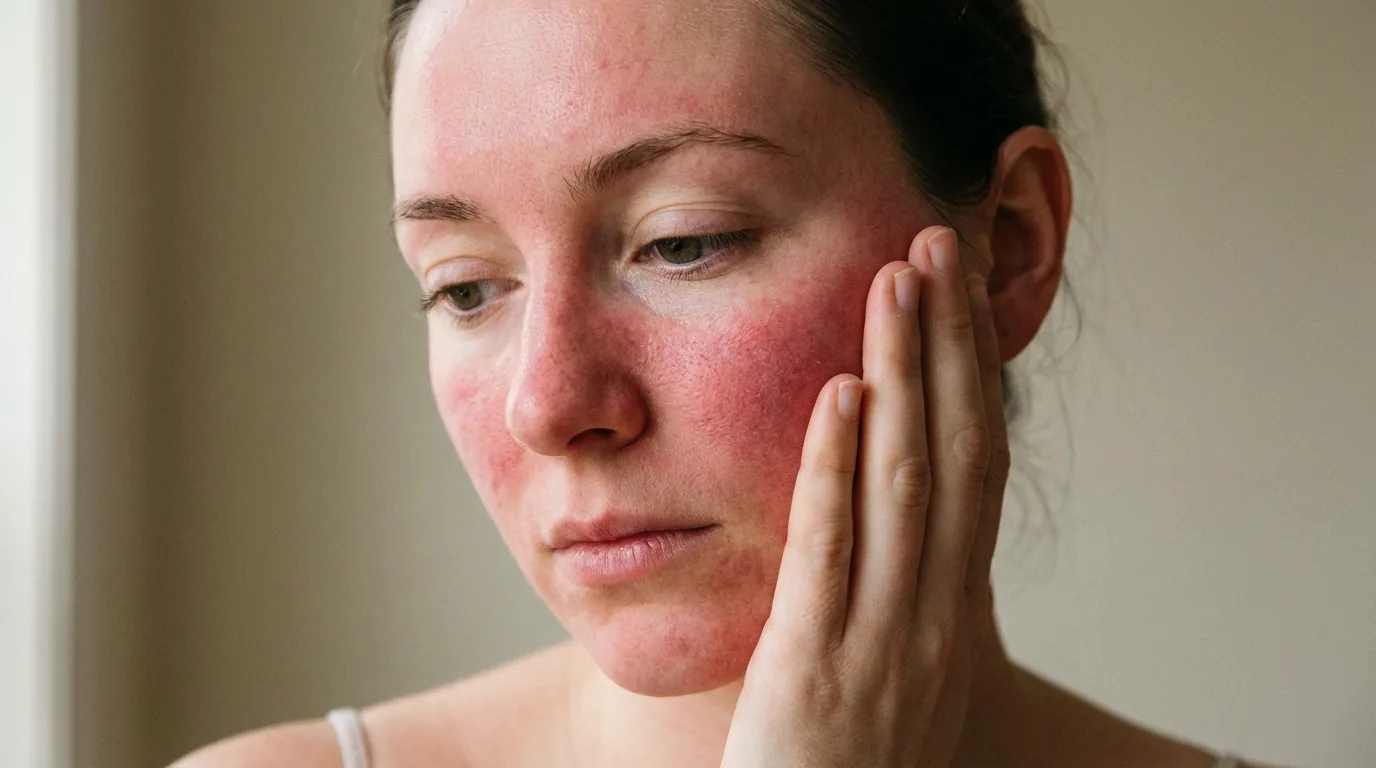
Your face is red and you've convinced yourself it's rosacea. But redness has many causes — and treatment depends entirely on the correct diagnosis.
Tretinoin is the most powerful topical anti-aging ingredient available. But starting it without a plan is a recipe for disaster. Here's your complete roadmap.
A 20% vitamin C serum that has oxidized on your shelf is worth less than a properly stabilized 10% formula. Here's what you need to know.
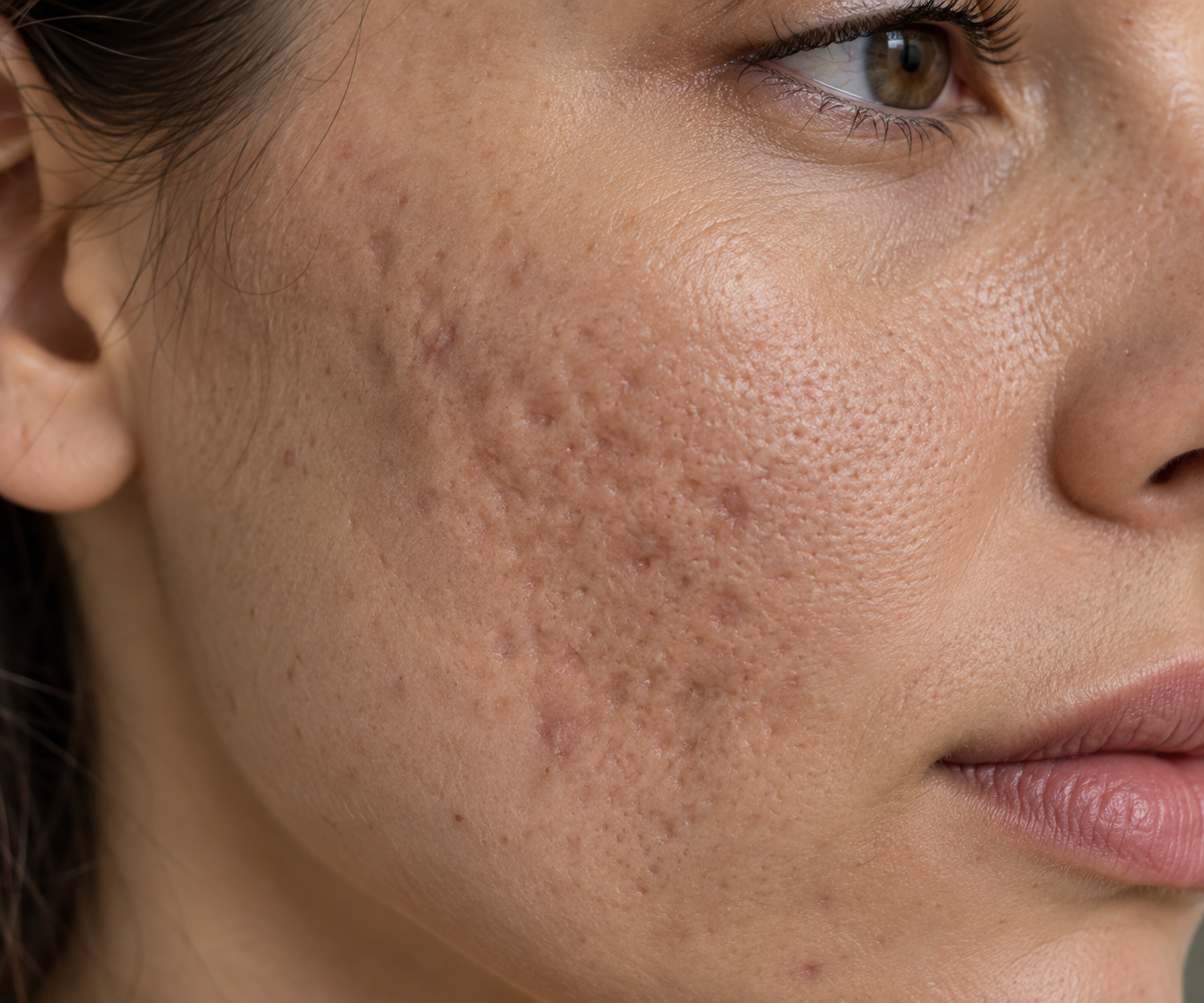
That dark spot left behind after a breakout — is it PIE or PIH? The distinction matters more than you think, because the treatments are completely different.

Microneedling can genuinely improve scars, fine lines, and skin texture — but the devil is in the details. Here's what works, what doesn't, and what to realistically expect.
Chemical exfoliation is one of the most effective steps you can add to your routine — but choosing the wrong acid for your skin type can do more harm than good.
If your skin is red, stinging, and reactive to everything — your barrier is probably compromised. Here's how to repair it based on actual dermatological science.
Niacinamide is one of the few ingredients that genuinely does almost everything it claims. Here's the evidence behind the hype.
At-home peels and in-office peels exist on a spectrum. Understanding where each falls — and what each can realistically achieve — helps you make the right choice.
You thought acne was a teenage problem. So why is your skin still breaking out at 32? The causes of adult acne are different — and so are the solutions.

Retinol is the most studied anti-aging ingredient in dermatology. But most people either use it wrong or give up too soon. Here's what the science actually says.