Key Takeaways
- •Dry skin is a skin type — a long-term lack of sebum production. Dehydrated skin is a temporary condition — a lack of water.
- •Any skin type, including oily, can become dehydrated. Many people with oily-dehydrated skin treat it as oily and make it worse.
- •Dry skin needs occlusives and emollients (ceramides, plant oils, shea butter) to replace missing lipids.
- •Dehydrated skin needs humectants (glycerin, hyaluronic acid, urea) to draw water back into the stratum corneum.
- •The pinch test on the cheek is a quick check: skin that doesn't snap back immediately is likely dehydrated.
- •Over-cleansing, hot water, alcohol-based toners, and over-exfoliation are the most common dehydration triggers.
The Core Difference: Lipids vs Water
Healthy skin holds itself together with two distinct components: lipids (oils) that form the mortar between skin cells, and water that hydrates those cells from the inside. Dry skin and dehydrated skin describe deficiencies in two different parts of that system. Dry skin is missing oil. Dehydrated skin is missing water. They look superficially similar, but the underlying problems — and therefore the fixes — are completely different.
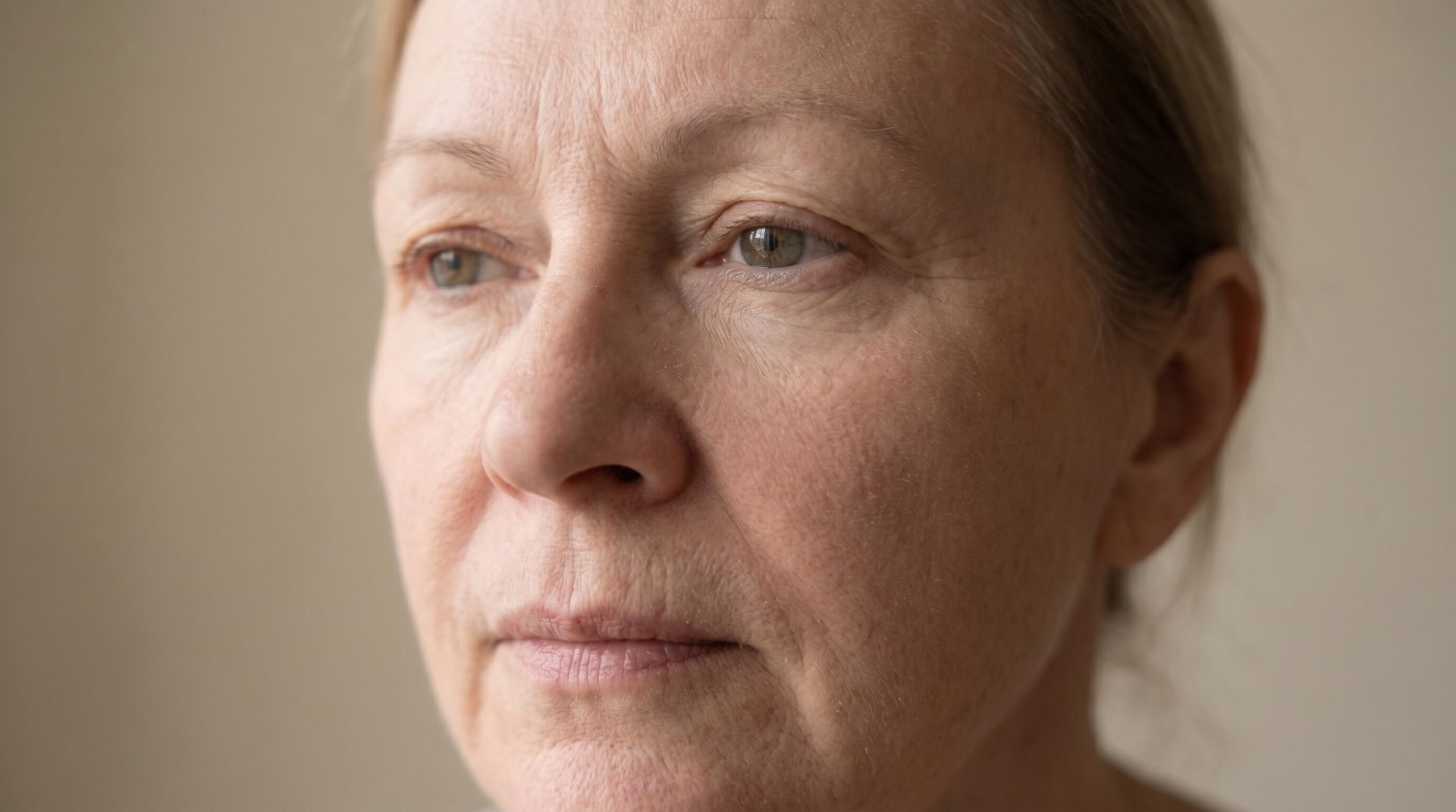
Dry skin (xerosis) is a skin type. It's largely genetic, often lifelong, and characterized by underactive sebaceous glands that don't produce enough sebum to keep the skin barrier well-lubricated. People with dry skin tend to feel tight all over, have flaky patches in winter, get few breakouts, and have small or invisible pores. They've usually been like this since adolescence.
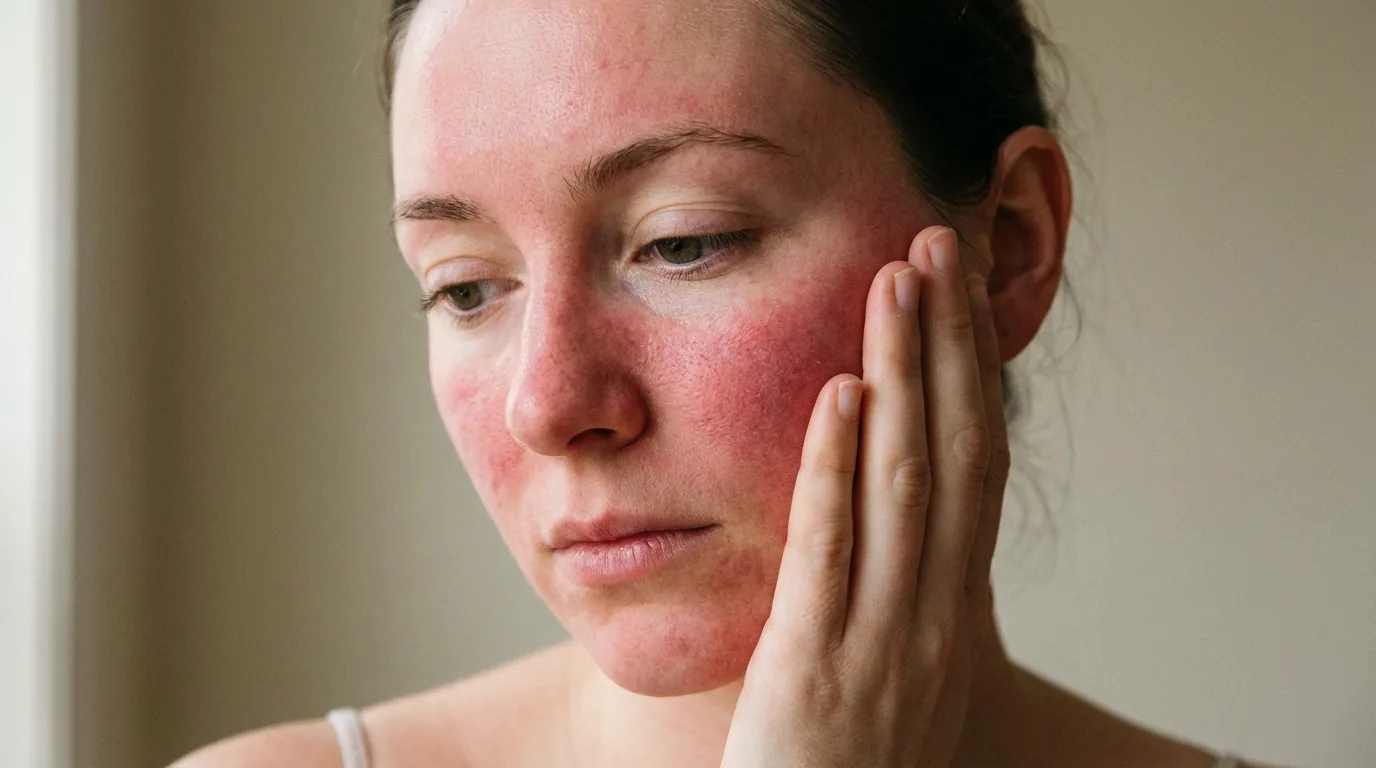
Dehydrated skin is a temporary condition triggered by environment, lifestyle, or routine. It can affect any skin type — including very oily skin. The hallmark is paradoxical signs: skin that feels tight and looks dull but still gets shiny by midday, fine lines that appear suddenly, and makeup that won't sit smoothly. These are signs of a stressed barrier, not a lack of oil.
How to Tell Which One You Have
The pinch test is a useful first check. Pinch a small section of skin on your cheek between your thumb and forefinger and release. Hydrated skin snaps back instantly. Dehydrated skin lingers in a slight crease for a beat before recovering. If you can see lines forming when you smile or squint that disappear within seconds of relaxing your face, those are dehydration lines, not wrinkles.
Look at oil production. If your skin gets oily through the day — especially in the T-zone — but still feels tight after cleansing, you're almost certainly oily and dehydrated, not dry. If your skin never feels oily and rarely shines, even by evening, you likely have a true dry skin type.
Pay attention to triggers. Dehydrated skin worsens after a long flight, a hangover, a course of strong actives, or a winter weather snap, and improves quickly with the right products. Dry skin behaves consistently regardless of these short-term factors — it's a baseline state, not a flare-up.
Treating Dry Skin
Because dry skin lacks oil, the priority is replacing the missing lipid component of the barrier. Ingredients to look for include ceramides, cholesterol, fatty acids, squalane, shea butter, and plant oils like jojoba or sweet almond. These mimic or supplement the natural lipid mortar between skin cells and slow transepidermal water loss.
CeraVe Moisturizing Cream is a quintessential dry-skin formula — it contains three biomimetic ceramides plus cholesterol and fatty acids, which together rebuild the lipid bilayer with notable clinical evidence behind them. For very sensitive dry skin, Vanicream Moisturizing Skin Cream is a near-bulletproof choice — it's free of fragrance, dyes, lanolin, parabens, and common allergens, which makes it a default recommendation for dry, reactive skin.
Application matters as much as product choice. Apply moisturizer to slightly damp skin within 60 seconds of cleansing — this traps a thin layer of water under the lipid film and dramatically improves the cream's barrier-restoring effect. For severely dry areas, layer a richer occlusive (a thin film of petrolatum-based balm) on top at night.
Treating Dehydrated Skin
Dehydrated skin needs water, which means humectants — ingredients that pull water from the deeper dermis and the air into the stratum corneum. The big three are glycerin, hyaluronic acid, and urea. Glycerin is the most studied and reliable; hyaluronic acid is more glamorous and works well at multiple molecular weights; urea acts as both a humectant and a mild keratolytic.
Neutrogena Hydro Boost Water Gel is a useful daily option specifically for oily-dehydrated skin — it delivers hyaluronic acid and glycerin in a lightweight, non-occlusive base that hydrates without adding extra oil. Apply it to damp skin and follow with a thin layer of a non-comedogenic moisturizer to seal the water in. Skipping the seal is the most common reason humectants fail in low-humidity environments.
Critically, you also need to address the cause. Cut back on physical exfoliation, lower your shower temperature, swap foaming cleansers for cream or gel formulas with a pH around 5, and put any active acids on pause for at least two weeks. Dehydration almost always has a behavioral trigger, and no amount of hyaluronic acid will outpace a damaged barrier.
When You're Both
Dry-and-dehydrated is a genuine combination state, particularly common in winter, in your 40s and beyond, or after a course of strong retinoids. Skin in this state needs both water and oil, applied in the right order: humectant serum on damp skin first, then a ceramide- and lipid-rich cream on top to seal it.
A practical evening routine for this profile looks like: gentle non-foaming cleanser → glycerin or hyaluronic acid serum applied to slightly damp skin → ceramide moisturizer like CeraVe or a dedicated dry-skin cream like Vanicream → a thin film of an occlusive balm over the driest areas (under-eye and around the nose are common). Skip toners with alcohol, witch hazel, or essential oils.
Resist the temptation to layer eight products. The skin barrier is a simple system, and overcomplicating it usually backfires. Three well-chosen products in the right order will outperform a ten-step routine of mismatched textures every time.
Lifestyle Factors That Drive Dehydration
Indoor heating in winter typically drops ambient humidity to 20-30%, which pulls moisture out of the stratum corneum even when you sleep. A small bedside humidifier set to 45-55% relative humidity is one of the highest-leverage interventions for chronically dehydrated facial skin and can change how your moisturizer performs overnight.
Long, hot showers and washing your face with hot water both strip surface lipids and disrupt the barrier — lukewarm water is enough to dissolve dirt and surfactants. Air travel, alcohol, lack of sleep, and high-sodium meals all transiently dehydrate skin in measurable ways. None of these need to be eliminated, but they're worth recognizing as contributors when your skin suddenly feels different.
Drinking more water beyond normal hydration has only a modest effect on skin barrier hydration in well-hydrated adults. The bigger lever is what you put on your skin and how often you disrupt the barrier — not how many liters you drink. Save your willpower for the topical routine.
References
- Rawlings AV, Harding CR. "Moisturization and skin barrier function." Dermatologic Therapy. 2004;17 Suppl 1:43-48.
- Spada F, Barnes TM, Greive KA. "Skin hydration is significantly increased by a cream formulated to mimic the skin's own natural moisturizing systems." Clinical, Cosmetic and Investigational Dermatology. 2018;11:491-497.
- Purnamawati S, et al. "The role of moisturizers in addressing various kinds of dermatitis: a review." Clinical Medicine & Research. 2017;15(3-4):75-87.