Key Takeaways
- •Seborrheic dermatitis is an inflammatory skin condition driven by an overgrowth of Malassezia yeast in oil-rich areas.
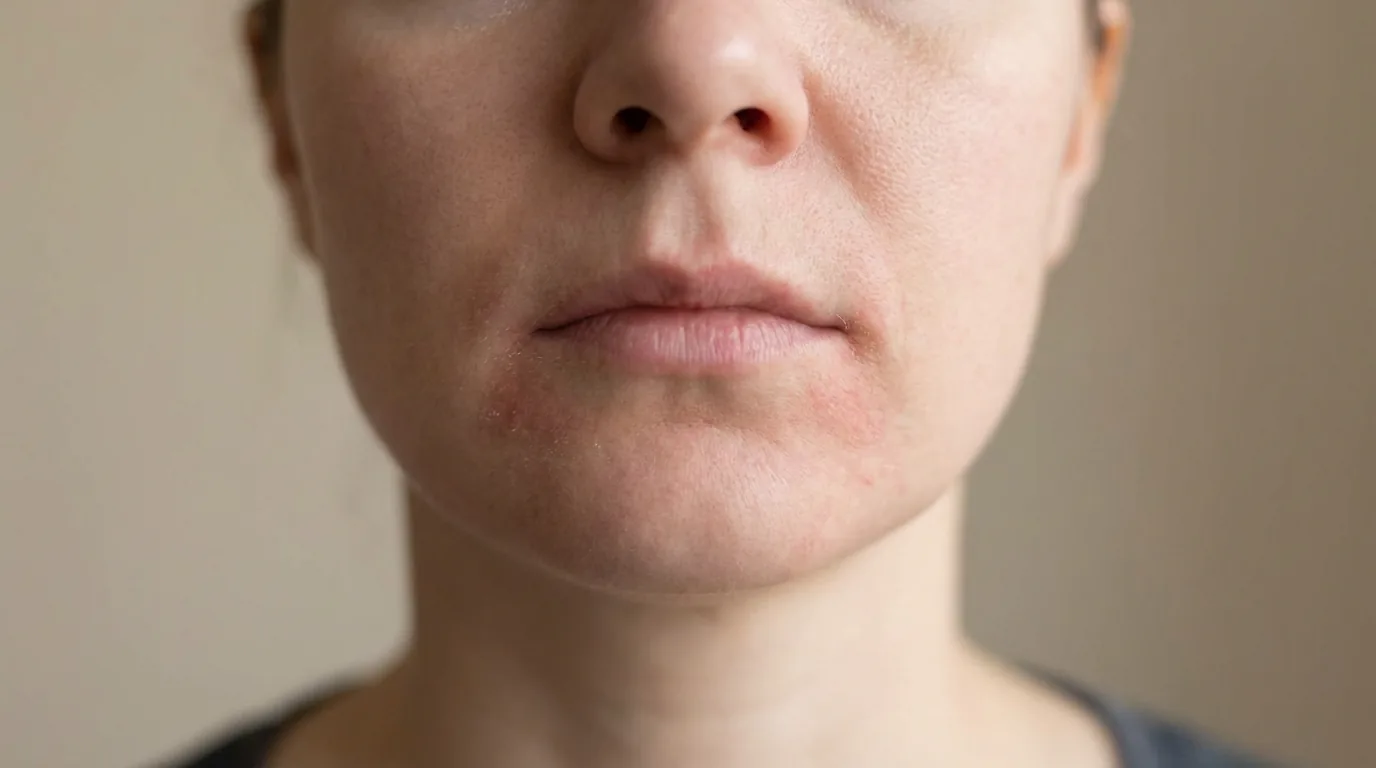
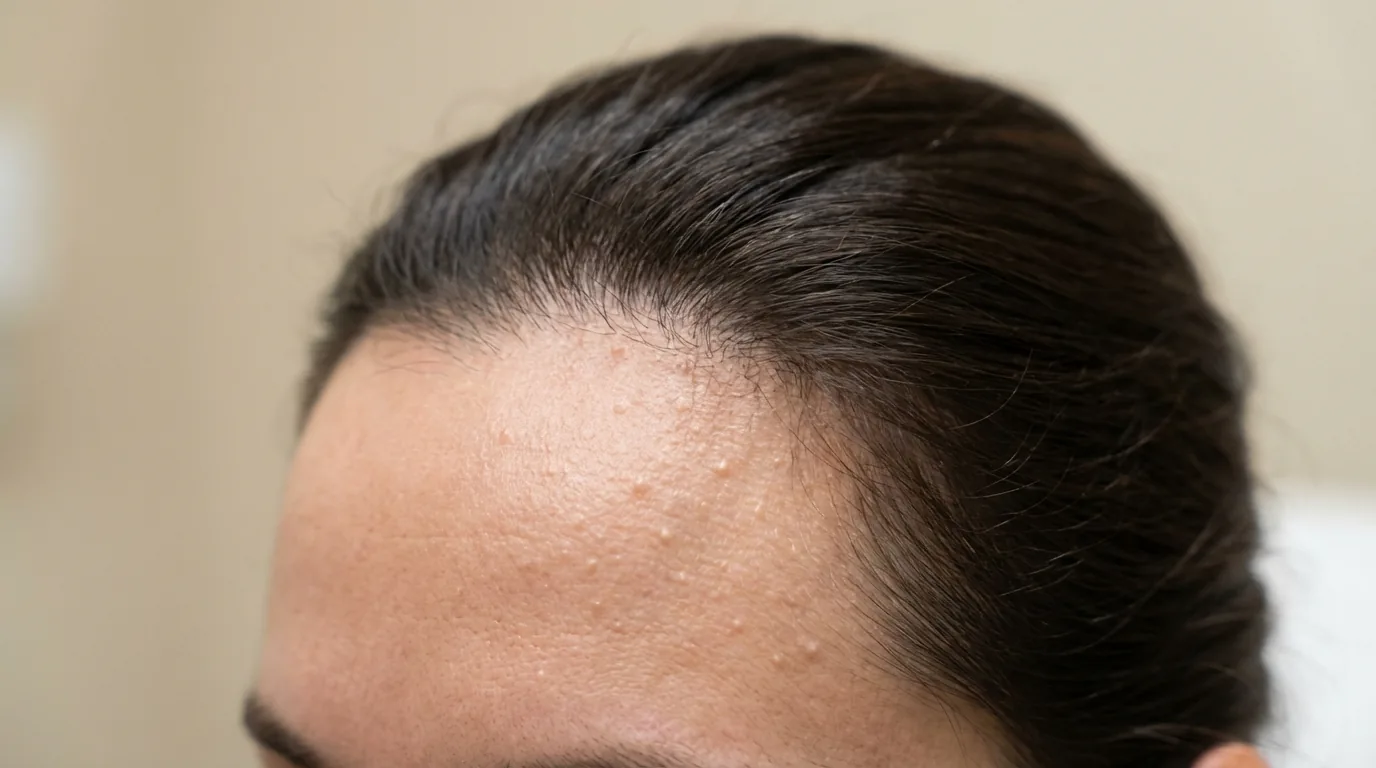
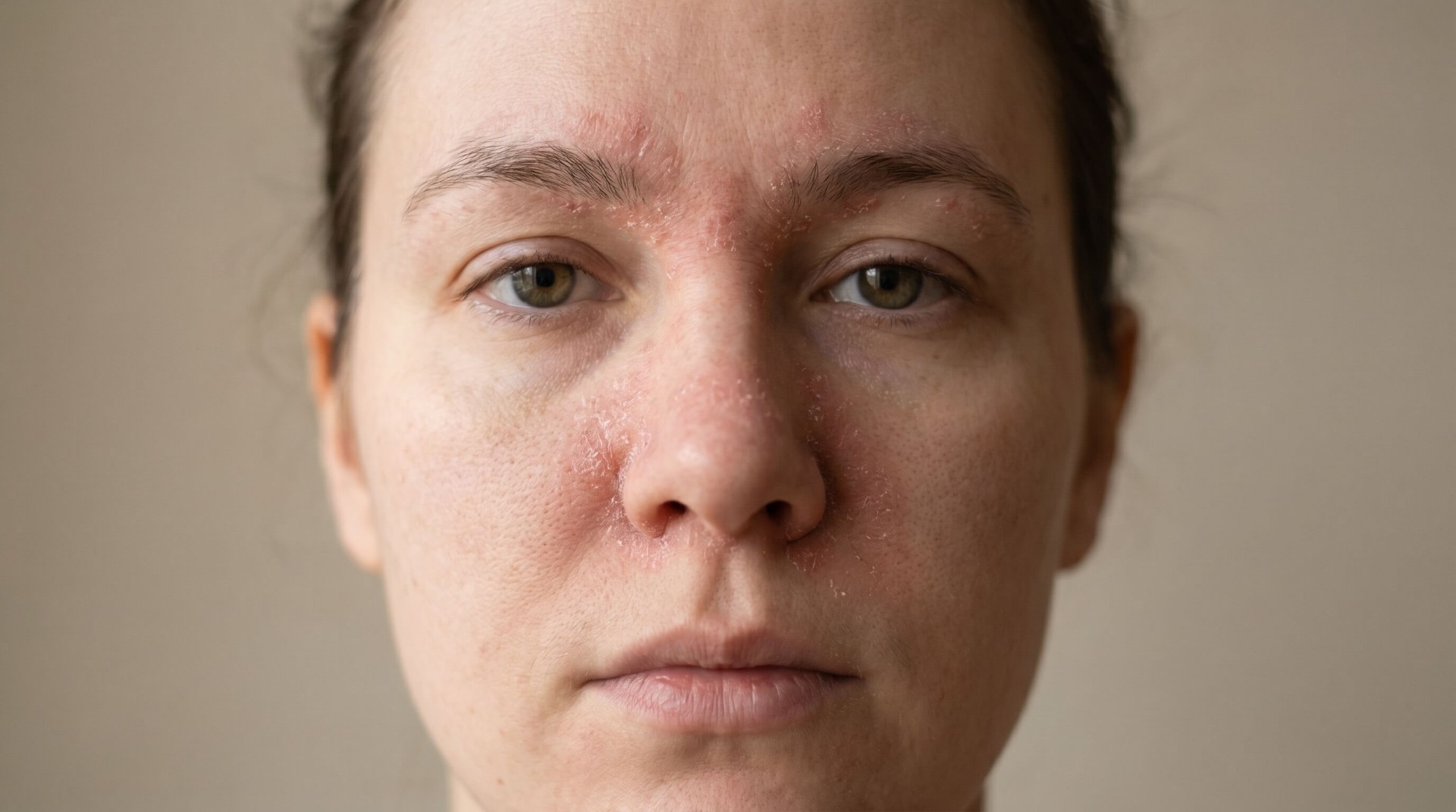
- •It typically appears as red, flaky, sometimes greasy patches on the scalp, eyebrows, sides of the nose, and ear creases.
- •It's commonly mistaken for acne, eczema, rosacea, or dry skin — and often gets worse from products targeting those.
- •Antifungal treatments (ketoconazole, selenium sulfide, zinc pyrithione) are the cornerstone of effective treatment.
- •Gentle cleansing, fragrance-free moisturizers, and reduced use of heavy oils prevent flares.
- •It's chronic and remitting — successful treatment manages flares, not 'cures' the condition permanently.
What Seborrheic Dermatitis Actually Is
Seborrheic dermatitis is a chronic inflammatory skin condition that affects the sebum-rich areas of the body — most commonly the scalp (where mild forms are called dandruff), the sides of the nose, the eyebrows and the skin between them, the ear creases, the chest, and sometimes the upper back. It affects roughly 1-3% of the general population, with men more commonly affected than women, and tends to flare in winter and during periods of stress.
The driver is an inflammatory reaction to Malassezia, a genus of yeast that lives normally on everyone's skin. In people with seborrheic dermatitis, the immune system mounts an exaggerated response to Malassezia metabolites — specifically the free fatty acids it produces from sebum — leading to redness, scaling, and sometimes itching or burning. It's not an infection in the conventional sense; the yeast is always there. The disease is the response, not the organism.
This explains why it concentrates in oil-rich zones: more sebum means more Malassezia food, more fatty acid byproducts, and more inflammation. It also explains why it tends to be a lifelong, relapsing condition — you can't get rid of the yeast permanently, only manage the inflammatory response.
Why It's So Often Misdiagnosed
On the face, seborrheic dermatitis can be mistaken for adult acne (because it's red and inflamed in a similar distribution), rosacea (because of the central facial redness and telangiectasias), eczema (because of the flaking), or simple dry skin (because the scale is white and dry-looking). Each of these conditions has a completely different treatment paradigm, and using the wrong one usually makes things worse.
The hallmark distinguishing features are: greasy or oily-looking yellowish scales on a red base, distribution along the nasolabial folds and eyebrows, scalp involvement (even mild dandruff), and a tendency to flare during stress, winter, or after using oil-based products. Unlike acne, there are no comedones, papules, or pustules — just redness and flaking.
If your 'acne treatment' routine is making your nose redder and flakier rather than clearing it, you're almost certainly looking at seborrheic dermatitis. Benzoyl peroxide and salicylic acid in acne formulations strip the barrier and provoke more inflammation in seborrheic skin, which is why people often find themselves caught in a worsening cycle of treatment.
The Antifungal Approach That Actually Works
Because the underlying problem is an inflammatory response to Malassezia, antifungal treatments are the cornerstone of effective management. The most studied and accessible option is ketoconazole, available over the counter in shampoo form. Nizoral A-D Shampoo contains 1% ketoconazole and is the gold-standard at-home antifungal for both scalp and facial use.
For facial seborrheic dermatitis, the trick is using shampoo as a brief contact cleanser. Wet your face, lather a small amount of Nizoral on your fingertips, apply to affected areas, leave on for 3-5 minutes, then rinse thoroughly. Do this 2-3 times per week initially, then taper to once weekly for maintenance. Most people see meaningful improvement within 2-3 weeks.
Selenium sulfide and zinc pyrithione are alternative antifungal actives if ketoconazole isn't tolerated or stops working. Selsun Blue with selenium sulfide is a useful rotation option, and pyrithione zinc-based formulas are gentler for very sensitive skin. Rotating between two antifungals every few months can help prevent the yeast population from adapting.
Building the Right Daily Routine
Outside of antifungal treatment, the daily routine for seborrheic dermatitis-prone skin should be aggressively simple. Use a fragrance-free, non-foaming, low-irritation cleanser morning and night. Vanicream Gentle Facial Cleanser is a sound default — it's free of common irritants, non-stripping, and doesn't disrupt the barrier in the way that medicated washes can.
Moisturize with a lightweight, water-based, fragrance-free formula. Avoid heavy plant oils, oleic acid-rich emollients, and traditional 'natural' products with coconut oil, olive oil, or shea butter — these are direct food sources for Malassezia and can drive flares. Look for ingredients like glycerin, niacinamide, urea, and synthetic squalane (which is fine, despite the name).
Sunscreen is essential because UV exposure can both flare seborrheic dermatitis and worsen the post-inflammatory redness it leaves behind. Choose a mineral sunscreen with zinc oxide or titanium dioxide in a non-greasy base — avoid heavy chemical sunscreens with ingredients like avobenzone in oily vehicles, which can provoke flares in sensitive seborrheic skin.
Managing Flares and Triggers
Seborrheic dermatitis flares are predictable, and learning your personal triggers is the highest-leverage thing you can do for long-term control. The most common triggers are stress, lack of sleep, alcohol consumption, cold and dry weather, illness, and the use of new occlusive products. Many people see flares within days of a stressful work week or after a poor night's sleep.
When a flare hits, the response should be: increase antifungal frequency (back to 2-3 times per week), simplify your routine to cleanser-moisturizer-sunscreen for two weeks, and consider a short course of a low-potency hydrocortisone cream (1% OTC) on the most inflamed patches for no more than 5-7 days. Long-term steroid use on the face is a bad idea — it thins the skin and creates dependency — but a brief flare-buster course is reasonable.
If your flares are severe, frequent, or not responding to OTC antifungals, a dermatologist can prescribe stronger options including ciclopirox, sulfacetamide, topical calcineurin inhibitors (tacrolimus, pimecrolimus), or short courses of oral antifungals. Topical calcineurin inhibitors are particularly valuable because they reduce inflammation without the skin-thinning effects of steroids.
Living With a Chronic Condition
Seborrheic dermatitis doesn't have a cure — it has management. The earlier you accept this and stop searching for a permanent fix, the easier the day-to-day reality becomes. Most people find a routine that works for them and learn to anticipate and head off flares before they fully develop.
The condition itself doesn't shorten your life or cause lasting harm beyond cosmetic and quality-of-life impact, though chronic untreated facial seborrheic dermatitis can leave behind persistent post-inflammatory erythema (the lingering redness after inflammation resolves). This is treatable but takes patience — months of consistent gentle care, not weeks.
If your seborrheic dermatitis is unusually severe, sudden in onset, or accompanied by other symptoms like fatigue, lymphadenopathy, or weight changes, it's worth a thorough medical evaluation. Severe seborrheic dermatitis is more common in immunosuppressed patients and is occasionally an early sign of underlying conditions that warrant investigation.
References
- Borda LJ, Wikramanayake TC. "Seborrheic dermatitis and dandruff: a comprehensive review." Journal of Clinical and Investigative Dermatology. 2015;3(2).
- Gupta AK, et al. "Seborrheic dermatitis: a comprehensive review." Journal of Dermatological Treatment. 2004;15(1):14-18.
- Naldi L, Diphoorn J. "Seborrhoeic dermatitis of the scalp." BMJ Clinical Evidence. 2015;2015:1713.